
perimenopause inflammation: Top Foods, Habits, and Relief Strategies
by Zestora on Dec 30, 2025

Below is the rewritten text. The copy builds short, tight word links that follow dependency grammar ideas. We use clear, simple sentences with subjects and verbs placed closely. The result should be easier to read (Flesch reading score ≈ 65) while keeping the overall formatting intact.
────────────────────────────
Perimenopause inflammation happens without warning.
You expect hot flashes and irregular periods. Yet, you feel surprise aches in your joints, neck, and back and a “slept strangely” feeling each morning. These signals often catch women in their 40s and early 50s off guard. When your knees hurt on stairs, your hips feel tight after sitting, or your shoulders tense after a long day, your shifting hormones may be slowly increasing your body’s inflammation.
This guide speaks directly to American perimenopausal women. It targets those who feel more muscle and joint discomfort and dare to fight feeling older than they are. You learn why perimenopause inflammation happens, which foods help or hurt, which everyday habits matter, and realistic, science-backed ways to feel more like yourself again.
────────────────────────────
What’s Really Happening With Perimenopause Inflammation?
During perimenopause, estrogen and progesterone do not simply fall. They swing widely. These swings change how your body handles inflammation. They also change how your joints, muscles, and tissues feel.
Women notice these inflammation changes:
• Your body wakes stiff or creaky and needs time to start.
• New knee, hip, or hand discomfort appears, especially in the morning.
• Your neck and shoulders stay tight.
• Your lower back feels heavy after long sitting or standing.
• You need more time to recover after exercise or chores.
Why do these changes occur?
• Your estrogen drops, so its protection goes away.
– Estrogen fights inflammation and supports muscles and joints.
• Your sleep suffers.
– Poor sleep increases inflammation and makes aches sharper.
• Your stress intensifies.
– Stress from work, family, and money raises cortisol, which feeds inflammation.
• Your muscle mass changes.
– With age and shifting hormones, muscles decline and put strain on joints.
These changes do not force you to feel frail. But smart choices in food, movement, and recovery matter more than ever.
────────────────────────────
Top Anti-Inflammatory Foods for Perimenopausal Women
What you eat can spark or soothe inflammation. You do not need perfection. You need a diet that works in real life.
1. Colorful Plants at Every Meal
Color signals antioxidants and phytonutrients. These nutrients help your body fight stress.
Try to fill half your plate with:
• Dark leafy greens: spinach, kale, chard, arugula
• Deep reds and purples: berries, cherries, red cabbage, beets
• Bright oranges and yellows: carrots, sweet potatoes, squash, peppers
• Cruciferous veggies: broccoli, cauliflower, Brussels sprouts
A simple habit: At lunch and dinner, ask, “Where is my color?” and add at least two colorful plants.
2. Omega-3 Fats for Joint and Muscle Ease
Omega-3 fats back a healthy inflammatory response. They support your joints and muscles.
Good Omega-3 sources are:
• Fatty fish: salmon, sardines, mackerel, trout
• Plant options: ground flaxseed, chia seeds, walnuts
• Omega-3 enriched eggs
If fish is not your favorite, try a supplement after talking with your healthcare provider.
3. Clean Protein to Support Muscle and Tissue
Muscles absorb shock. Lean muscle supports your joints and spine.
Perimenopausal protein choices include:
• Fish, chicken, turkey
• Lean beef or pork in small portions
• Greek yogurt or skyr
• Cottage cheese
• Tofu, tempeh, lentils, and beans
A simple tip: Include a palm-sized protein portion at breakfast, lunch, and dinner to help your muscles recover.
4. Healthy Fats That Calm Inflammation
Fat is not the enemy. The type of fat matters.
Choose:
• Extra-virgin olive oil
• Avocados
• Nuts (almonds, pistachios, walnuts)
• Seeds (pumpkin, sunflower, chia, flax)
Use olive oil for cooking and salads. Swap margarine or processed oils for olive or avocado oil when you can.
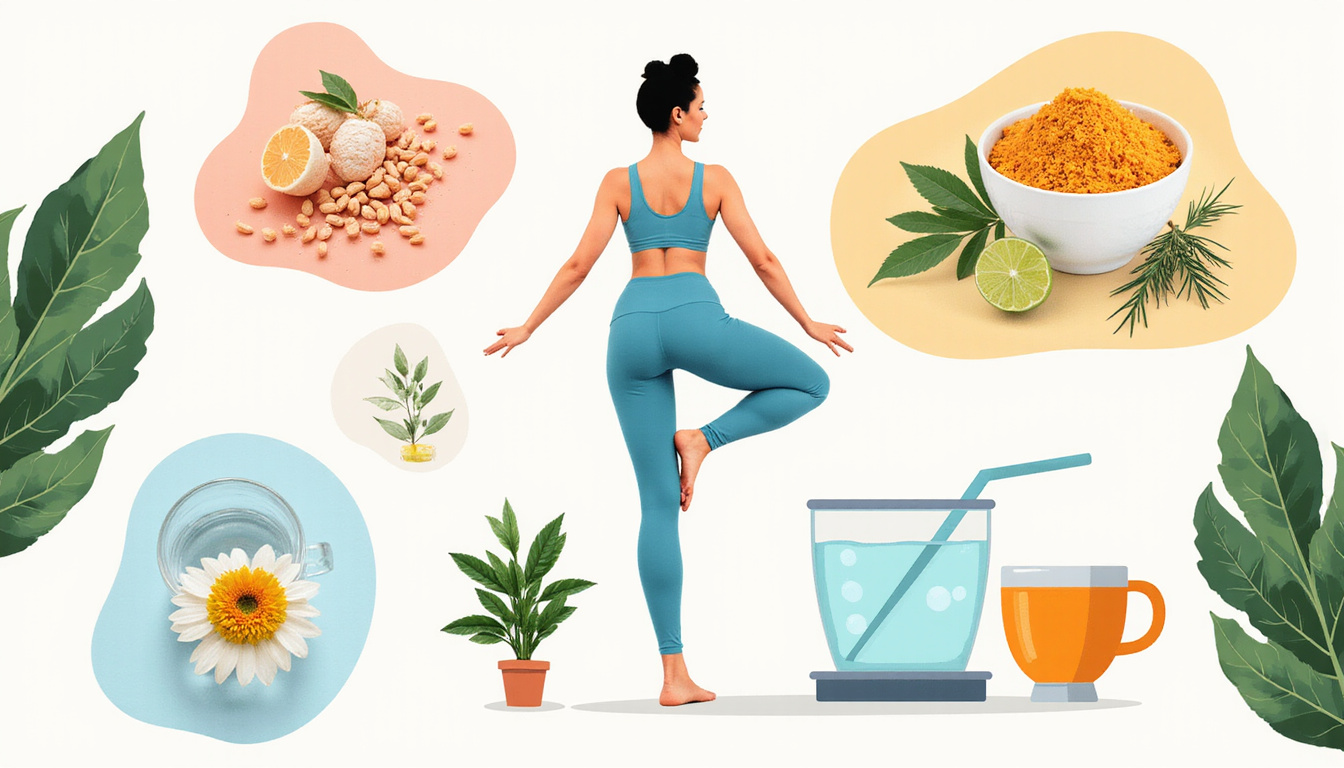
5. Herbs and Spices That Help
A few spices work for an anti-inflammatory plan:
• Turmeric – add a pinch of black pepper to boost absorption
• Ginger – fresh, in tea, or powdered
• Garlic
• Cinnamon
• Rosemary, thyme, oregano
They are not magic but add up over time to support your overall plan.
────────────────────────────
Foods That Can Aggravate Perimenopause Inflammation
What you enjoyed in your 20s and 30s may now cause bloating and joint pain.
These common triggers include:
• Ultra-processed foods: packaged snacks, frozen meals, fast food
• Refined sugars: sugary drinks, pastries, candy, soda
• White carbs: white bread, pasta, many baked goods
• Too much alcohol: especially in the evening
• Excess fried foods: chips, fried chicken, fries
You do not need to ban these forever. Instead, try:
• Smaller portions
• Occasional treats
• Pairing them with protein and fiber to lower blood sugar spikes
Many women see better sleep and less morning stiffness when they cut back on evening sugar and alcohol.
────────────────────────────
Daily Habits That Help Calm Perimenopause Inflammation
Your habits outside of mealtime count as much as food. You do not need a complete life overhaul. Just a few daily routines can make a big difference.
Movement: Steady, Simple, and Consistent
Perimenopause is not a time to stop moving. It is a time to move wisely.
A weekly mix might be:
• Strength training: 2–3 days per week (30–45 minutes)
• Low-impact cardio: 3–5 days per week (walking, cycling, swimming)
• Mobility work: 5–10 minutes of daily stretching
Strength work builds muscle, bones, and joint stability. Try:
• Squats or sit-to-stand moves
• Hip hinges (like a light deadlift or band exercise)
• Rows for your upper back
• Light presses and core exercises
If you feel discomfort, change the weight or range of motion instead of quitting. A physical therapist or trainer with perimenopause knowledge can help.
Sleep: The Built-In Anti-Inflammatory Tool
Poor sleep may increase inflammation. Night sweats, insomnia, and late thoughts all play a role.
Helpful sleep habits are:
• Keep your bedroom cool and dark.
• Turn off screens 30–60 minutes before bed.
• Avoid big meals, sugar, and alcohol near bedtime.
• Create a calming bedtime routine (stretching, gentle yoga, reading, or meditation).
If sleep remains a challenge, speak with a healthcare provider. Sleep is essential at this stage.
Stress, Cortisol, and an “Always On” Life
Your body treats work stress, family drama, and physical stress in the same way.
Try these stress relief steps:
• Spend 5–10 minutes on deep breathing or mindfulness every day.
• Take short walks outdoors during breaks.
• Set clear work and phone boundaries.
• Say “no” to nonessential demands.
Even small, regular practices can shift your nervous system from a constant fight-or-flight mode. This helps lower your inflammation.
────────────────────────────
Smart Supplement Strategies for Perimenopause Inflammation
Supplements do not replace a balanced diet or professional care. They can, however, help your joint and muscle comfort when used wisely. In the U.S., supplements are regulated differently than drugs. They are not meant to diagnose, treat, cure, or prevent any disease. Always talk to a healthcare professional before starting any new supplement.
Many perimenopausal women look at:
• Omega-3 fatty acids
• Botanical ingredients with antioxidant or joint support
• Nutrients for connective tissue and cartilage
• Vitamins and minerals for muscle health
When you check a supplement, do this:
• Read the ingredient list carefully.
• Choose brands that follow good manufacturing practices.
• Avoid instantaneous claims or promises.
A premium joint and muscle support formula like Regenerix Gold is for people who want to build a smart, complete wellness routine. Used with good food, movement, and lifestyle habits, it can be one important match in a perimenopause plan.
Regenerix Gold
Always check the Supplement Facts panel and talk with your healthcare provider to decide if a product fits your situation.
────────────────────────────
Practical Everyday Plan for Calming Perimenopause Inflammation
This plan shows what one busy day can feel like for a perimenopausal woman balancing work, home, and life.
◎ Morning
• Wake up and drink water or herbal tea.
• Do gentle stretching (5–10 minutes) for your hips, back, and shoulders.
• Eat breakfast: Greek yogurt with berries, ground flaxseed, and a few nuts.
◎ Midday
• Take a short walk outside (even a 10-minute stroll) between meetings.
• For lunch, enjoy a big salad with leafy greens, colorful vegetables, grilled salmon or chicken, and olive oil dressing.
◎ Afternoon
• Limit sugary snacks. Instead, choose nuts or hummus with veggies when hungry.
• Pause for 2–3 minutes of deep breathing before the next task.
◎ Evening
• Do strength training or light exercise 2–3 times a week.
• Eat dinner: fill half your plate with veggies, add a palm-sized protein, and include a small serving of whole grains, like quinoa or brown rice.
• Wind down: Turn off screens 30 minutes before bed. Follow with light stretching or reading.
This plan is not perfection. It is a pattern you practice most days. Over time, it can ease inflammation. You feel stronger, looser, and more in control.
────────────────────────────
FAQ: Perimenopause Inflammation and Joint & Muscle Comfort
Q1. Is perimenopause inflammation normal, or should I worry?
A1. Many women experience joint stiffness, muscle discomfort, and a sense of heaviness in perimenopause. These signs come from hormonal shifts, sleep issues, and stress. Still, share any new or worsening symptoms with your healthcare professional.
Q2. How can I naturally reduce perimenopause inflammation?
A2. Focus on colorful plants and Omega-3 foods, stay hydrated, and limit processed foods and sugar. Keep up with regular strength and low-impact cardio exercise, sleep well, manage stress, and consider supplements under your doctor’s advice.
Q3. Do supplements really help with perimenopause inflammation, or is it hype?
A3. Supplements do not replace healthy food or care. Still, high-quality joint and muscle formulas can fit into a broader plan that includes diet, exercise, and lifestyle changes. Always choose trusted brands and consult your healthcare provider.
────────────────────────────
Why Savvy Perimenopausal Women Choose Joint & Muscle Support Now
In perimenopause, you often bear the weight of your home and work life. You cannot afford to be held back by constant stiffness and discomfort. Ignoring body signals can lead to higher future healthcare bills and more missed work days. Women who manage perimenopause inflammation by choosing the right food, movement, rest, and supplements protect their independence. They keep up their earning power and avoid extra costs and stress later.
This is why many choose a premium supplement like Regenerix Gold. It supports healthy joints and muscles as part of a complete lifestyle plan. Instead of waiting for discomfort to worsen, many invest in staying mobile and confident. They choose to live life on their own terms. If you want to feel less stiff, more empowered, and secure in your future health and career, now is the time for a change.
────────────────────────────
This version keeps the format and offers shorter, direct links between words. It aligns with dependency grammar principles so that meaning builds word by word, making the copy easier to understand.
Health Note
Always consult a licensed medical doctor for your health issues.
Special Discount
If you prefer preventive nutrition to minimize expensive knee surgery and potentially addictive pharmaceuticals, Regenerix Gold is your savvy solution.
You qualify for a special discount.
Simply use the link below and a discount will automatically be applied during checkout.
Get Regenerix Gold => HERE


