
n-acetyl glucosamine: The Surprising Skin Booster Dermatologists Recommend
by Zestora on Dec 10, 2025

Introduction: what n-acetyl glucosamine does for your skin If you care about smarter, evidence-backed skincare, you’ve probably come across n-acetyl glucosamine in ingredient lists. Dermatologists increasingly recommend n-acetyl glucosamine because it supports hydration, helps strengthen the skin barrier, and can reduce uneven pigmentation — all without the irritation common to stronger acids and lightening agents. In this article you’ll learn exactly how it works, when to use it, what the science says, and simple routine tips so you can try it safely.
What is n-acetyl glucosamine? N-acetyl glucosamine (often abbreviated NAG) is an amino sugar derived from glucose. It’s a natural building block used by the body to make glycosaminoglycans, including hyaluronic acid and components of the skin’s extracellular matrix. Topically applied, n-acetyl glucosamine doesn’t act like a traditional exfoliant — instead, it supports the skin’s own repair processes and signaling pathways that control hydration and pigment production.
How n-acetyl glucosamine benefits skin
- Promotes hydrated, plump skin: Because NAG is a precursor in hyaluronic acid production, regular use can help boost the skin’s ability to retain moisture.
- Improves skin barrier function: NAG supports production of essential structural molecules, helping reduce transepidermal water loss and sensitivity.
- Reduces hyperpigmentation: NAG interferes with the final steps of melanin production and can reduce blotchiness and dark spots, especially when paired with niacinamide or acids.
- Gentle and well tolerated: Unlike potent acids or hydroquinone, NAG is generally non-irritating and suitable for many skin types, including sensitive skin.
The science in plain language Researchers and skincare chemists have studied how n-acetyl glucosamine works. It appears to both stimulate hyaluronic acid synthesis and modulate pigment-producing pathways in melanocytes. Clinical studies and ingredient reviews note improvements in skin texture and hyperpigmentation with topical NAG, particularly when combined with other complementary actives (source). While more large-scale clinical trials are welcome, current evidence supports its role as a gentle, multi-benefit ingredient.
How dermatologists typically recommend using it Dermatologists tend to recommend n-acetyl glucosamine in these scenarios:
- As a daily hydrator for dry, thin, or mature skin
- To fade mild-to-moderate hyperpigmentation without strong bleaching agents
- For people with sensitive or reactive skin who still want visible improvement
Practical tips for adding n-acetyl glucosamine to your routine
- Look for concentrations between 2–5% in serums or creams for general use; higher percentages may be used in professional formulations.
- Combine with niacinamide for faster and more noticeable pigment reduction and improved barrier support.
- Use it morning and/or night under sunscreen — if your goal is pigmentation reduction, sunscreen is essential for results.
- Layer it after cleansing and light serums, before heavier creams or oils.
Quick checklist before you buy:
- Product type: serum or light cream tends to deliver best absorption.
- Ingredient neighbors: niacinamide, hyaluronic acid, ceramides are ideal partners.
- Fragrance-free: opt for minimal irritants if you’re sensitive.
Embed: watch a short explainer You can watch a quick dermatologist-guided overview in the video below: <iframe width="560" height="315" src="https://www.youtube.com/embed/lqUsGnM3tAU" title="YouTube video player" frameborder="0" allow="accelerometer; autoplay; clipboard-write; encrypted-media; gyroscope; picture-in-picture" allowfullscreen></iframe> (If the embed doesn’t show, watch on YouTube: https://youtu.be/lqUsGnM3tAU)
Real-world results: what to expect and timeline
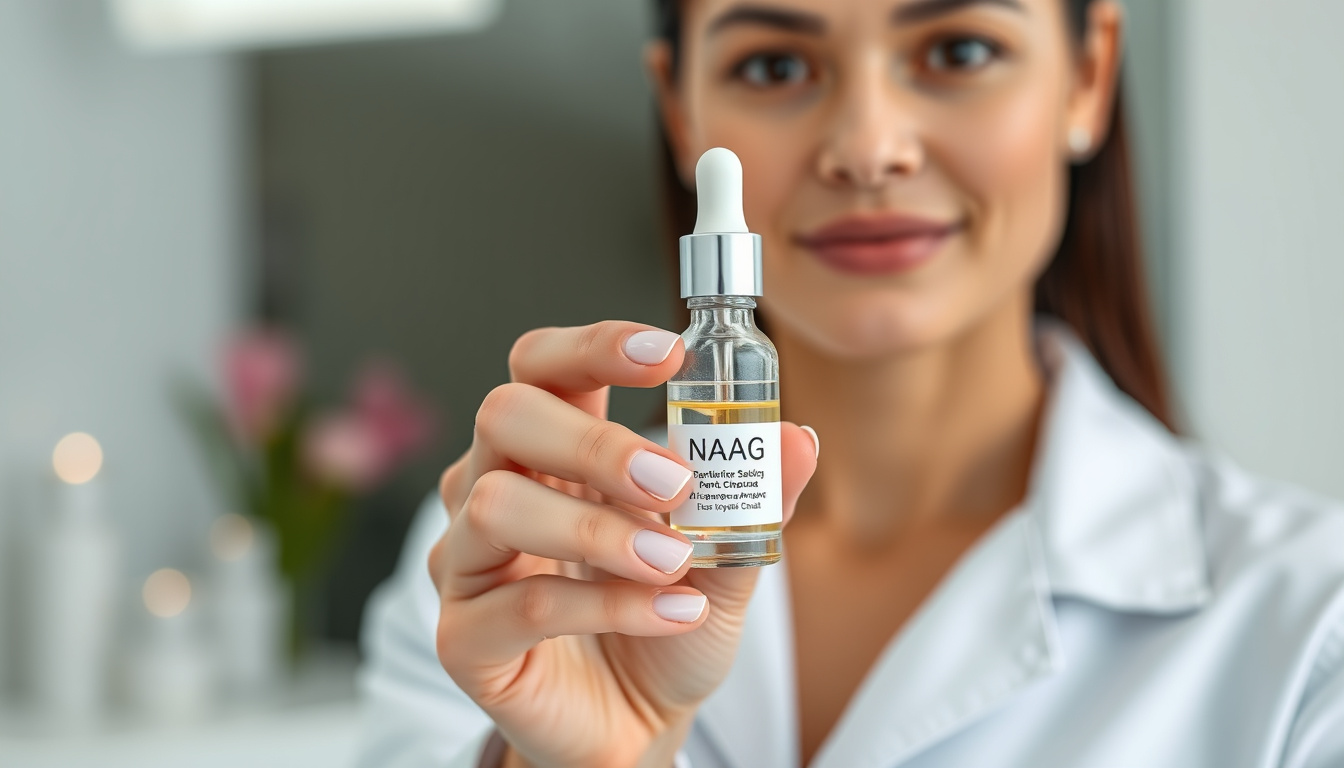
- Weeks 1–4: Improved hydration and softer texture. Since NAG works by supporting natural production of hyaluronic acid and structural molecules, skin often feels smoother quickly.
- Weeks 4–12: Gradual evening of skin tone and lightening of pigmentation spots. Pigment-related changes require cell turnover and melanin modulation, so give it time.
- 3+ months: Continued improvement when used consistently with sunscreen and complementary actives.
Safety and side effects N-acetyl glucosamine is generally well tolerated. Reported side effects are rare but can include mild irritation in very sensitive individuals. If you experience redness or stinging, stop use and patch-test other products. As with any pigment-focused ingredient, combine with daily SPF to prevent darkening of spots.
What to pair it with (and what to avoid)
- Great partners: niacinamide (boosts pigment reduction), hyaluronic acid (enhances hydration), ceramides (barrier support), gentle exfoliants (for cell turnover).
- Use cautiously with: strong exfoliants (over-exfoliation), high-concentration vitamin C in the same layer might affect pH or stability depending on formulation — many users split them between morning and evening.
- Avoid mixing multiple active serums at once until you know your tolerance.
One authoritative source A reliable ingredient review and summary of clinical findings for n-acetyl glucosamine is available from a respected skincare reference that examines mechanisms, benefits, and safety in consumer-facing language (source).
Bulleted summary: Why dermatologists recommend n-acetyl glucosamine
- Supports natural hyaluronic acid production for better hydration
- Helps reduce hyperpigmentation gently over time
- Strengthens the skin barrier and reduces sensitivity
- Compatible with many skin types, including sensitive skin
- Works well alongside niacinamide and moisturizers
FAQ — quick answers to common questions Q: What is n-acetyl glucosamine and how does it work on skin? A: N-acetyl glucosamine is an amino sugar that helps the skin produce hyaluronic acid and influences pigment pathways. Topically it improves hydration, barrier function, and can reduce hyperpigmentation over weeks to months.
Q: Is n-acetylglucosamine safe for all skin types? A: For most people, yes — n-acetylglucosamine (sometimes written without the hyphen) is gentle and well tolerated, including on sensitive skin. Patch-test any new product and discontinue if irritation occurs.
Q: Can acetyl glucosamine replace retinol or hydroquinone for pigmentation? A: Acetyl glucosamine is gentler and can help reduce mild-to-moderate pigmentation, but it usually works more slowly than stronger agents like retinoids or hydroquinone. It’s a good option for maintenance, sensitive skin, or to use alongside stronger treatments under dermatologic supervision.
How to pick a product (short buying guide)
- Serums with 2–5% are a good starting point for most users.
- Look for simple formulas that combine NAG with niacinamide and hyaluronic acid if pigmentation and hydration are priorities.
- Avoid fragrance and unnecessary additives if you have reactive skin.
Final thoughts and call to action N-acetyl glucosamine is a quietly powerful, dermatologist-recommended ingredient that delivers hydration, barrier support, and gradual improvement in uneven pigmentation with low irritation risk. If you want a gentle but effective way to boost skin moisture and even tone, try a serum or cream containing n-acetyl glucosamine for at least 8–12 weeks, always paired with daily SPF. Ready to see if it’s right for your skin? Start with one product at a time, patch-test, and track changes with photos to notice the subtle but meaningful improvements over time — and talk to your dermatologist about combining it with other targeted treatments for faster results.
Health Note
Always consult a licensed medical doctor for your joint concerns. If the diagnosis isn’t clear, get an MRI early. For faster results, combine Hotheal Therapy with the nutritional repair of Regenerix Gold to support stronger, non-invasive recovery.


