
orthopedic shoes: How to Choose Comfortable, Stylish Pairs That Relieve Pain
by Zestora on Dec 22, 2025

By the time we are old enough to see grandkids running in the living room, our feet, knees, and hips have traveled many miles. Your feet show wear when each trip to the grocery store or church pew makes you rub your legs or shift your weight. That is why you may need to check out orthopedic shoes. The right pair keeps you steady on your feet, eases daily aches, and still looks well put‑together when you meet friends, family, or the grandkids.
This guide is made for American grandparents who notice more creaks and aches in their joints and muscles and who still want to look sharp and feel confident.
Why Orthopedic Shoes Matter More as We Get Older
As we age, our feet and legs grow more sensitive.
• The padding under your feet becomes thinner.
• Your arches may flatten or weaken.
• Joints in your ankles, knees, and hips grow stiff and sore.
• Your balance and stability do not work as they used to.
Normal fashionable shoes—like narrow dress shoes, hard loafers, or unsupportive slip‑ons—do not offer the cushioning, support, or room that older feet need. That is where orthopedic shoes help.
Orthopedic shoes work with your body. They support the natural shape of your foot, reduce stress on your joints and muscles, and offer more stability with every step. Think of them as “smart shoes” that join with your body instead of working against it.
What Makes a Shoe “Orthopedic”?
Not every shoe that claims “comfort” is really orthopedic. When you shop, connect with these features:
1. Proper Arch Support
Your arches act like your body’s suspension system. Good orthopedic shoes:
• Support your arch end to end.
• Distribute weight evenly.
• Keep your ankles, knees, and hips in line.
Without support, stress moves upward from your feet to your legs, hips, and lower back—a feeling many grandparents know too well.
2. Plenty of Cushioning
Old feet enjoy a soft landing. Look for:
• Cushioned insoles that spring gently, not flat or hard.
• Shock‑absorbing midsoles between the insole and outsole.
• A bit of “bounce” in every step.
Good cushioning can ease that “bone‑tired” feeling in your feet and legs by the end of the day.
3. Roomy Toe Box
After years of squeezing into tight shoes, now your toes need space. A proper orthopedic shoe gives your toes room to move. It should have:
• A wide toe box so toes lie flat and wiggle.
• Enough depth so that the top of your toes does not rub.
• No pinching or crowding at the ball of your foot.
If your toes feel cramped while testing them on, they will not improve later.
4. Removable Insoles
Removable insoles let you:
• Add custom orthotics from your podiatrist.
• Swap in over‑the‑counter arch supports.
• Air out or replace worn‑out insoles.
This flexibility is helpful if you use special inserts or if one foot needs more support than the other.
5. Stable Heel and Good Grip
A stable heel and slip‑resistant grip help avoid slips and wobbles. Look for:
• A firm heel counter that hugs your heel.
• A slight heel instead of a flat surface.
• A non‑slip, rubber sole with clear tread.
A stable shoe builds confidence on uneven sidewalks, wet grass, or polished store floors.
How to Choose Orthopedic Shoes That Actually Feel Comfortable
Comfort is personal. What fits a neighbor might not fit you. Follow this step‑by‑step guide while shopping for orthopedic shoes.
Step 1: Shop Later in the Day
Your feet swell as the day goes by. For many grandparents, late afternoon or early evening is the best time to:
• Get measured.
• Try on shoes.
• Walk around the store.
This step avoids buying shoes that fit in the morning but feel tight later.
Step 2: Measure Both Feet
Feet change as you age. One foot might grow slightly bigger than the other. At the store:
• Ask for length and width measurements.
• Fit the shoe on your larger foot.
• Expect to choose a wider size than before.
Step 3: Wear Your Regular Socks
Bring the socks you normally use. If you wear support socks, compression stockings, or thick wool socks in winter, test with them. A sock’s thickness can change how the shoe fits.
Step 4: Use the “Finger Test” and “Wiggle Test”
After you lace the shoe, check that:
• A finger’s width (about ½ inch) fits between your longest toe and the end of the shoe.
• You can wiggle your toes easily.
• Your heel stays in place when you walk, without slipping.
If you feel rubbing or pressure during the test, think of how it will feel after hours with the grandkids.
Step 5: Walk with Purpose
Do not take only a few steps.
• Walk up and down the aisle a few times.
• Try turning quickly, backing up, and speeding up a bit.
• Notice if your feet, ankles, knees, or hips feel off.
If you feel any pinching, rubbing, or forced changes in your walk, try another pair.
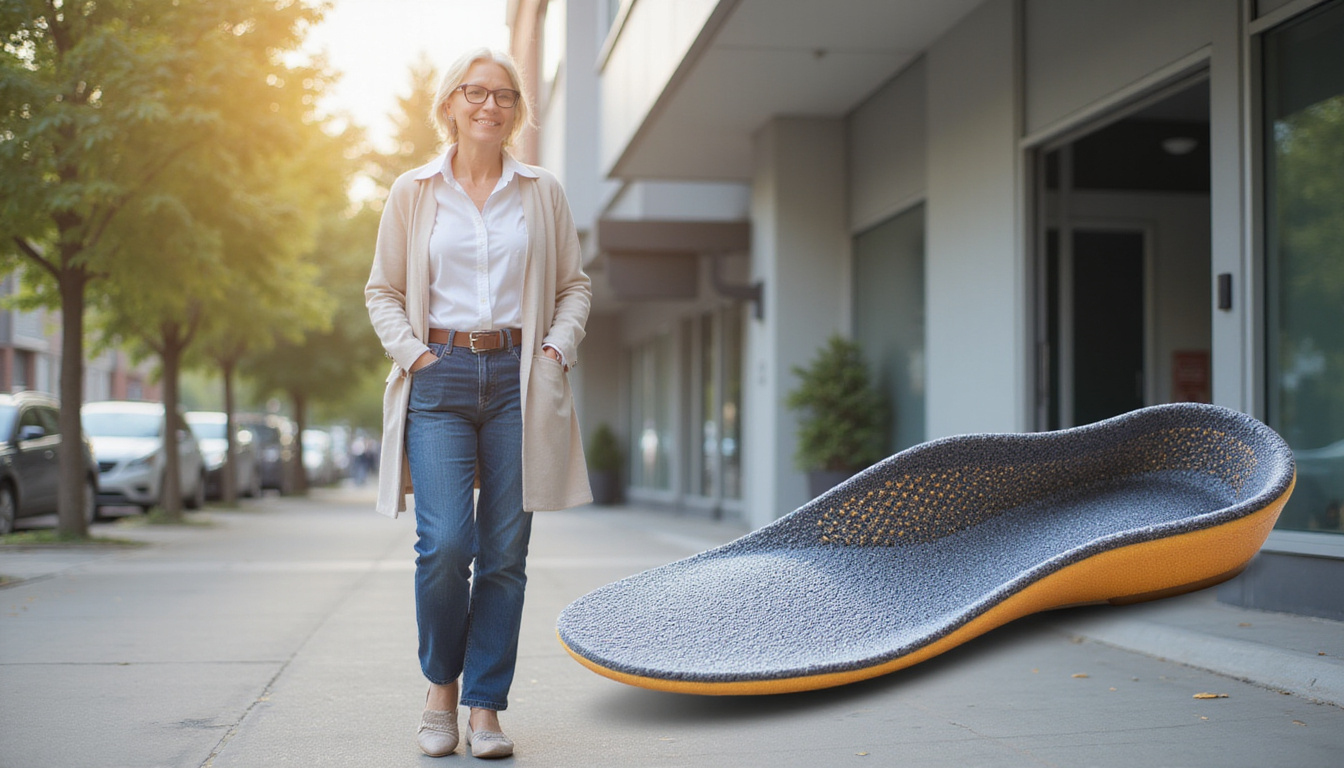
Can Orthopedic Shoes Still Look Stylish?
Some grandparents avoid orthopedic shoes because they imagine clunky, heavy “old‑lady” or “old‑man” shoes. Today, options are attractive and discreet.
Styles That Balance Comfort and Looks
You can find orthopedic shoes in:
• Casual walking shoes and sneakers.
• Loafers and slip‑ons for church or dinner outings.
• Sandals with adjustable straps.
• Low‑heeled dress shoes.
• Boots with supportive insoles.
Choose simple, classic designs in neutral colors such as black, navy, brown, or gray. They pair well with jeans, slacks, or your Sunday best without shouting “medical shoe.”
Features That Enhance Both Looks and Comfort
• Adjustable straps or laces: They let you adjust for swelling.
• Low, wide heel: It looks neat and remains stable.
• Softer, quality materials: Soft leather or breathable mesh looks modern and feels good.
Remember: When you feel better, you show confidence in every step.
Everyday Habits That Work With Your Orthopedic Shoes
Orthopedic shoes do much of the work. Still, a few habits can help your joints and muscles feel even better.
Rotate Your Pairs
Avoid wearing the same pair every day. Rotating two or three pairs lets:
• Insoles air out and recover.
• Different pressure points get a rest on your feet every day.
Pick Gentler Surfaces
Whenever you can, choose:
• Grass, tracks, or rubberized paths over concrete.
• Carpet or rugs over hard tile floors at home, as long as they are secure and not slippery.
Your shoe works best on surfaces that give a little.
Stretch and Move Gently
Daily light stretching of your calves, ankles, and feet builds on what your orthopedic shoes do. A gentle movement stops your joints and muscles from stiffening. Even simple ankle circles in your favorite chair can help.
Some older adults also consider supplements to support cartilage, connective tissues, and muscles. Note that dietary supplements do not treat, cure, or prevent disease. Still, some ingredients help support normal joint function and comfort (source: NIH Office of Dietary Supplements). Always talk with your healthcare provider before beginning any new supplement, especially if you take medication.
Signs It’s Time to Replace Your Orthopedic Shoes
Even strong shoes do not last forever. Wearing worn‑out shoes can undo much of the help they once gave. Watch for these signs:
• Worn‑down tread or smooth spots on the bottom.
• Cracked or compressed insoles that do not cushion anymore.
• A shoe that leans to one side on a flat surface.
• More foot or leg soreness at the end of the day.
In general, many people replace their walking shoes every 6–12 months based on their walking habits.
A Simple Checklist for Grandparents Buying Orthopedic Shoes
Take this list with you when shopping:
[ ] Shoes fit in length and width.
[ ] Toes move freely; no pinching or rubbing.
[ ] Good arch support with a gently raised middle.
[ ] Cushioning feels springy, not flat or hard.
[ ] Heel stays secure without slipping.
[ ] Non‑slip sole with clear tread.
[ ] Shoe feels comfortable immediately—no long “breaking in” period.
[ ] Style and color match your usual clothes.
[ ] Insoles are removable (if you use orthotics).
Regenerix Gold
FAQ About Orthopedic Shoes for Grandparents
Are orthopedic shoes worth it for older adults?
Yes, orthopedic shoes for seniors are a good investment if you face recurring foot, leg, or overall musculoskeletal discomfort. They support alignment, cushioning, and stability—qualities that become more crucial as you age. Many grandparents find that with these shoes, they can stand longer and feel less tired by day’s end.
Can orthopedic walking shoes still look nice for going out?
Modern orthopedic walking shoes are made in many styles that look like regular sneakers or casual shoes. A simple design in a neutral color easily fits with family gatherings, outings, and daily errands without feeling like “hospital shoes.”
How do I know if I need custom orthotics instead of standard orthopedic shoes?
Some people do well using good‑quality orthopedic shoe inserts or built‑in support. Other people need custom orthotics from a foot specialist. If supportive shoes still leave you with discomfort when walking or standing, discuss custom inserts or further evaluation with your healthcare provider.
Walking Toward an Easier, More Active Life—with a Little Extra Support
Choosing the right orthopedic shoes is one of the smartest and simplest steps to staying active and independent as a grandparent. Supportive, comfortable shoes can make everyday activities—like shopping, cooking, walking the dog, or cheering at a grandchild’s ballgame—feel less like a chore and more like the joy they should be.
Along with good shoes, many wise grandparents check on their overall joint and muscle health. A thoughtful supplement routine may be part of that plan. Regenerix Gold is a premium dietary supplement made for adults who care about keeping their joints and muscles healthy. It is not a medicine and it does not diagnose, treat, cure, or prevent any disease. It can, however, support a self‑care plan that includes proper footwear, gentle movement, and a balanced diet.
If you are the kind of grandparent who likes to be one step ahead—rather than waiting for aches and stiffness to set your plans—consider pairing well‑chosen orthopedic shoes with a quality product like Regenerix Gold. Compared to rising medical costs and missed work (for those still working), taking proactive care of your joints and muscles can be wise and budget‑friendly. Think of it as investing in many more years of playing on the floor with the grandkids and still getting up with a smile.
Health Note
Always consult a licensed medical doctor for your health issues.
Special Discount
If you prefer preventive nutrition to minimize expensive knee surgery and potentially addictive pharmaceuticals, Regenerix Gold is your savvy solution.
You qualify for a special discount.
Simply use the link below and a discount will automatically be applied during checkout.
Get Regenerix Gold => HERE


