
Patellar maltracking: Stop Knee Pain Fast with Simple Rehab Exercises
by Zestora on Jan 01, 2026

If a doctor tells you that you have patellar maltracking, you know this to be true. You feel your kneecap slide to the side when you bend, squat, or climb stairs. You feel a pull, a grind, or a tug at the front of your knee. This feeling is common. It often comes if you sit too much, work on your feet, or run, jump, or cut in sports.
This guide explains your knee in plain words. It shows you simple exercises you can do at home. It also explains how Regenerix Gold, a nutrition-based supplement, may support healthy knee joints and muscles.
What Is Patellar Maltracking, Really?
When you bend and straighten your knee, your patella should glide in a tight groove at the end of your thigh bone. In patellar maltracking, the kneecap drifts off-center. It usually moves toward the outside of your knee instead of gliding smoothly in its groove.
People often say they feel:
• A pull on one side of the kneecap
• Crunching or grinding when using stairs
• A catch or rub on the kneecap
• Achiness after sitting with bent knees
• Discomfort when squatting, lunging, or rising
These symptoms may be small at first. Over time, poor tracking can make your knee feel sensitive, irritated, and stiff.
Why Your Kneecap Starts to Track Poorly
Patellar maltracking rarely starts from one single cause. It usually comes from a mix of alignment, muscle strength, and habit.
Common factors include:
• Strong outer hip and glute muscles help control your thigh bone. When these muscles are weak, your leg may collapse inward. This makes the kneecap slide out of line.
• Tight structures on the outer knee—like the IT band or outer quad—can pull the kneecap outward.
• The inner quad (VMO) should pull the patella into its groove. When it is weak, balance is lost.
• Overuse or repetitive stress from many stairs, hills, squats, or runs can hurt the joint.
• Foot and ankle issues, such as flat arches or stiff ankles, change how the kneecap tracks.
• Past injuries can alter muscle actions, keeping muscles from firing correctly.
The good news is that targeted exercise and smart habits often help these issues.
How to Calm Things Down Fast (Without Babying Your Knee Forever)
You might feel like you should stop moving your knee. However, not moving can lead to more stiffness and more weakness, which worsen tracking.
Work in two phases:
- Calm the irritation.
- Build better tracking with proper strength work.
Phase 1: Calm the Front of the Knee
Use this phase when your knee feels swollen, sore, or "angry" after daily tasks.
• Activity modification – Cut back on deep squats, lunges, steep runs, and kneeling for a while.
• Short, frequent movement – Every 30–45 minutes, straighten and bend your knee a few times. This move helps stop stiffness.
• Gentle quad setting – Either lying or sitting with your leg straight, tighten your thigh. Press the back of your knee gently toward the floor. Hold for 5 seconds, and repeat 10–15 times. This move wakes your quad without stressing the joint.
When your knee feels calmer, begin phase 2. ---
Simple Rehab Exercises for Patellar Maltracking
These exercises come from trusted physical therapists. Stop or change any move that causes sharp pain, sudden catching, or a loss of strength. Always talk with your healthcare professional if these issues come up.
Do these exercises 3–4 days a week or as your provider directs.
1. Side‑Lying Clamshells (Glute Activation)
Why: Strong glutes keep your thigh bone in check. This helps your patella stay centered.
How:
- Lie on your side. Bend your hips and knees about 45°. Keep your feet together.
- Lift your top knee, keeping your feet touching. Do it slowly and do not tilt your hips backward.
- Slowly lower your knee.
Reps: 2–3 sets of 12–15 per side.
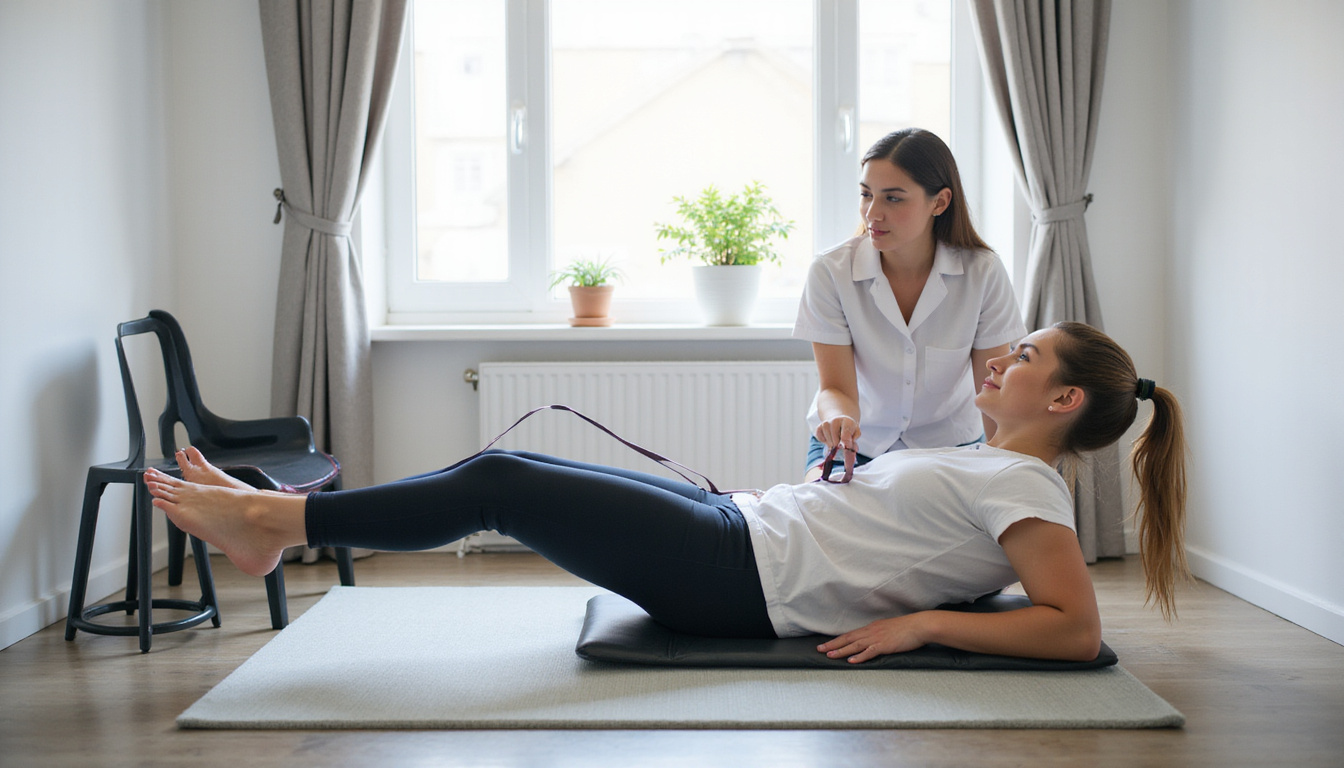
2. Straight Leg Raises (VMO‑Friendly Quad Strengthening)
Why: This move builds quad strength without bending the knee too much.
How:
- Lie on your back. Keep one leg straight and bend the other.
- Tighten your straight leg’s thigh and lift your toes slightly.
- Raise the leg about 12 inches. Hold for 2–3 seconds, then lower slowly.
Reps: 2–3 sets of 10–15 per leg.
3. Wall Sits (Pain‑Free Range Only)
Why: Wall sits build endurance in your quads and glutes. This helps with stairs, standing, and daily moves.
How:
- Stand with your back against a wall. Place your feet about 2 feet out.
- Slide down as if you are sitting in a chair. Do not go lower than what feels comfortable—in many cases, a half-sit works best.
- Hold for 15–30 seconds while you breathe slowly, then slide up.
Reps: 3–5 holds.
4. Lateral Band Walks (Hip Control)
Why: These walks build outer hip strength. They help your thigh move correctly and keep your patella in line.
How:
- Put a loop band around your ankles or just above your knees.
- Bend your knees and hips slightly. Keep your torso straight.
- Step sideways. Lead with one foot, then slide the other foot to meet it. Keep the band tight.
Reps: 10–15 steps each way. Do 2–3 rounds.
5. Step‑Ups (Functional Tracking Practice)
Why: Step‑ups train your knee to move right in everyday tasks like stair climbing.
How:
- Stand before a low step (start with a 4–6-inch step).
- Put one foot on the step. As you step up, watch your knee. Keep it over the middle of your foot and avoid letting it collapse inward.
- Lower yourself slowly.
Reps: 2–3 sets of 8–12 per leg.
If any exercise causes sharp pain, reduce its depth, range, or load. Then talk with a physical therapist.
Daily Habits That Make Patellar Maltracking Better (or Worse)
Small daily habits add up. Many people find that their patellar maltracking is due to lifestyle rather than one bad workout.
Try to:
• Avoid long periods of deep knee bending – Sitting on low couches, squatting too long, or fully flexing while kneeling can hurt your knee.
• Use stairs wisely – When you feel flares, take stairs one step at a time or use a handrail.
• Watch your knee alignment – Make sure your knees track over your toes when you sit, stand, or squat.
• Vary your movements – Alternate between sitting, standing, and walking to reduce irritation.
Nutrition Support for Knee Joints and Muscles: Where Regenerix Gold Fits In
Exercise and smart movement are the base for handling patellar maltracking. Many people with long-term knee discomfort also look for nutrition support for healthy joints and muscles. This is true when you age or increase your activity.
This is where Regenerix Gold comes in.
What Makes Regenerix Gold Stand Out?
• Nutrition first – Regenerix Gold is a nutrition-based support for healthy knee joints and muscles. It is not a drug and does not diagnose or cure disease.
• Trusted advice – Many doctors and physical therapists suggest this kind of supplement as part of a wellness plan. That plan includes exercise, weight control, and smart moves.
• Time-tested – For over ten years, Regenerix Gold has helped users around the world feel joint comfort and better function.
• Active support – For those doing rehab exercises for patellar maltracking, good joint health helps you stick to your plan.
Always talk with your doctor or physical therapist before starting any supplement. This is especially true if you are on medications, are pregnant or nursing, or have other health issues.
Putting It All Together: Your Knee‑Friendly Game Plan
Dealing with patellar maltracking is hard. Stairs may feel like a chore. That grinding sound when you rise, or the worry that your knee might fail, can wear you down. A clear plan can help.
Your plan is simple:
-
Dial down irritation
• Adjust activities that stress your knee.
• Use gentle range‑of‑motion and quad setting. -
Build smarter strength
• Focus on the hips, quads, and glutes with careful, pain‑free exercises.
• Choose quality movement over heavy weight or many reps. -
Clean up your daily mechanics
• Keep an eye on knee alignment when sitting, standing, or squatting.
• Break up long sitting or kneeling periods. -
Support your joints with nutrition
• Eat a balanced diet to aid muscle recovery and joint health.
• Consider a targeted supplement like Regenerix Gold after speaking with your provider.
FAQ: Common Questions About Patellar Maltracking and Knee Support
Q1: Can patellar maltracking get better without surgery?
A1: Yes, many people see improvement without surgery. Focused strengthening of the hips and quadriceps, and better movement habits help. Surgery is reserved for specific structural issues and is not the first choice.
Q2: How long do patella tracking issues take to improve with rehab?
A2: Many people notice change in 4–6 weeks of consistent exercise. Some cases may take several months. The progress may not be steady, so keep consistent and seek advice when needed.
Q3: Can a joint supplement help with patellar maltracking knee discomfort?
A3: A supplement does not fix the mechanical tracking of your kneecap. Muscles and proper movement do that work. However, some people choose supplements like Regenerix Gold to support joint and muscle health. Always remember that supplements do not diagnose, treat, cure, or prevent disease and should be part of a broader plan with your healthcare provider.
Why Now Is the Smart Time to Act
Ignoring patellar maltracking rarely makes it go away. The longer you wait, the more likely you are to change your life around your knee. This might mean avoiding stairs, skipping fun activities, or worrying over knee pain at work.
Taking action now can:
• Help you stay independent at work.
• Reduce your worry about future knee procedures and costs.
• Place you among those who act now instead of waiting.
If you have read this far, you are more informed than most. To support your knees:
• Begin the simple rehab exercises regularly.
• Improve your daily habits to ease kneecap irritation.
• Consider a bottle of Regenerix Gold. This nutrition-based supplement is recommended by doctors and therapists and has helped people for over ten years.
Acting now helps you stay mobile, protect your work, and avoid bigger costs and worries later.
Regenerix Gold
Health Note
Always consult a licensed medical doctor for your health issues.
Special Discount
If you prefer preventive nutrition to minimize expensive knee surgery and potentially addictive pharmaceuticals, Regenerix Gold is your savvy solution.
You qualify for a special discount.
Simply use the link below and a discount will automatically be applied during checkout.
Get Regenerix Gold => HERE


