
patellar tracking relief: Simple exercises, causes, and fast pain fixes
by Zestora on Dec 24, 2025

If you walk on stairs or rise from a chair, you may feel a slip, a grind, or a pull at the front of your knee. These signals point to patellar tracking.
That dull ache behind or around your kneecap makes everyday moves—like getting in or out of your car or kneeling at work—feel much harder than they should.
This guide shows what happens with patellar tracking. We list common causes, easy home exercises, and fast relief you can use today. We also mention nutrition support such as Regenerix Gold that many Americans trust to keep knee joints and muscles strong.
What is patellar tracking, in plain English?
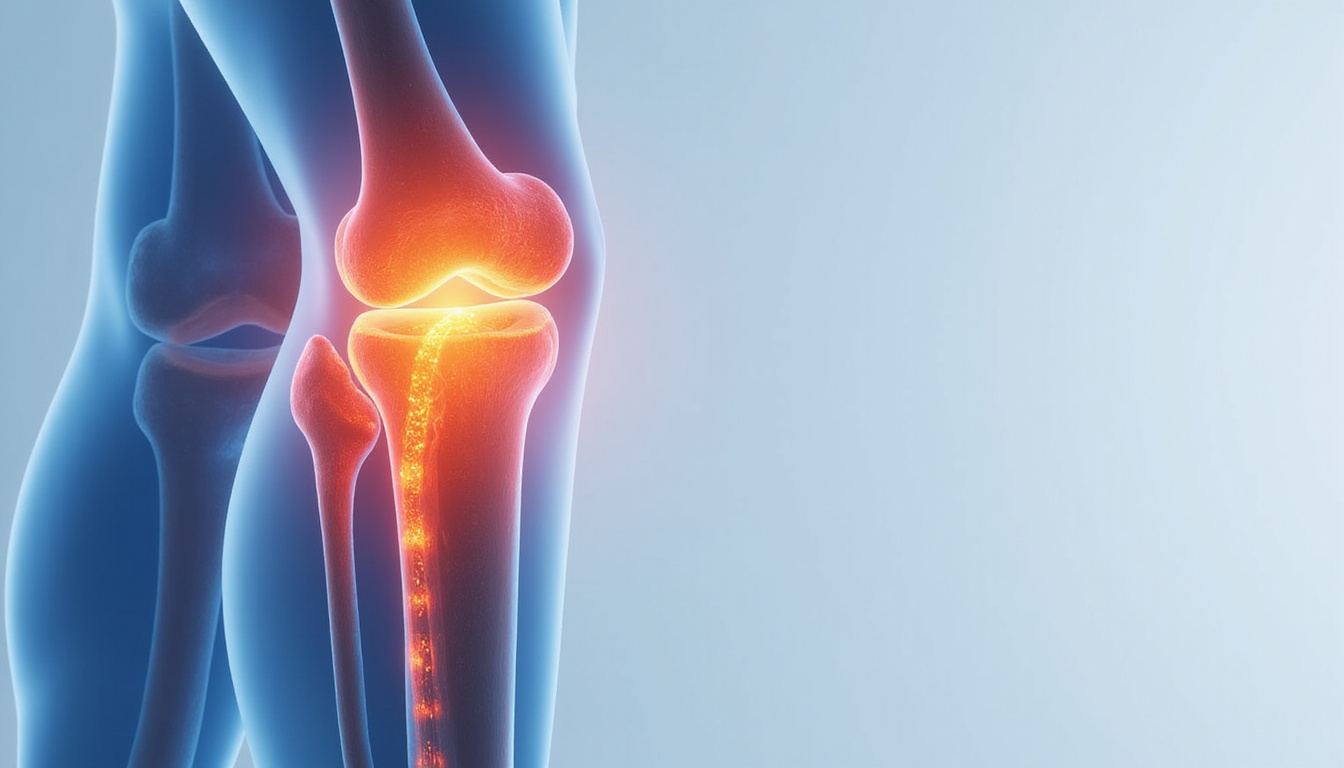
Your kneecap (patella) sits in a groove at the end of your thigh bone. When you bend and straighten your knee—during walking, squatting, or climbing stairs—the patella should glide smoothly in that groove. That smooth glide is patellar tracking.
When the patella loses its center and shifts or rubs unevenly, you might feel:
- A dull ache in the front of your knee
- A crunch or grind when you bend your knee
- Tenderness around or behind the kneecap
- Instability or a feeling that your knee might give way on stairs
Often, this issue is not due to a major injury. It is a matter of muscle balance, alignment, or use. With the right habits, exercises, and joint nutrition, you can help improve your patellar tracking.
Common causes of patellar tracking problems
Most people spot common patterns in daily life that trigger patellar tracking issues. See if these sound familiar.
1. Weak thigh and hip muscles
Weak or unbalanced muscles that guide your kneecap let the patella drift off course.
• When your quadriceps (especially the inner area above the knee) are weak
• When your hip abductors and external rotators (the side‑butt and outer hip muscles) fail to support the movement
This can show as:
- Knees caving inward during squats
- Knees drifting in when you walk or run
- A wobbly feeling on one leg
2. Tight muscles and tissues
Tight tissues on one side of the knee pull the patella off center.
• A tight iliotibial (IT) band on the outer thigh
• Tight quads or hamstrings
• Stiff calves that change your step
This tug-of-war between weak parts and tight parts makes poor patellar tracking worse.
3. Repetitive stress and overuse
If you spend your day:
- Standing on hard surfaces
- Climbing ladders, squatting, kneeling, or lifting
- Driving with bent, stiff knees
…your kneecap feels low-grade stress all the time. Weekend activities like basketball, tennis, running, or hiking also put extra stress—especially if you increase activity too fast.
4. Alignment and structure
Some people have natural alignments that stress the patellar tracking.
• Knock-knees (knees that turn in toward each other)
• Flat feet or collapsing arches
• One leg slightly longer than the other
• Past injuries that change your walk
You cannot change your bone structure. Yet, you can support your alignment with strength work, better mobility, proper footwear, and smart training.
Quick relief for patellar tracking discomfort
When your kneecap feels irritated, you need relief now. Long‑term strength work is key, but these steps calm your knee quickly.
1. Activity tweaks (without quitting everything)
You do not need to stop moving—you only need to move smarter.
• Cut back on deep squats, lunges, or stairs that trigger pain.
• Avoid sitting with knees bent for long periods; straighten your legs every 20–30 minutes.
• Use a handrail on stairs and take slow, controlled steps.
• When rising from a chair, keep your knees over your toes instead of letting them collapse inward.
Keep your pain mild and manageable. If an activity suddenly spikes your pain, change or pause it for a while.
2. Ice and elevation
For flare‑ups, try these steps:
• Apply ice to the front of the knee for 10–15 minutes
• Elevate your leg to reduce swelling
• Do this a few times a day, and always wrap the ice to protect your skin
While this does not fix patellar tracking, it calms the irritation enough to let you exercise.
3. Supportive taping or sleeves
Many Americans with knee issues use:
• Knee sleeves for gentle compression and warmth
• Patellar straps beneath the kneecap
• Kinesio taping to help guide the patella
These supports offer stability and can reduce discomfort during work or workouts. A physical therapist can show you the proper techniques.
Simple patellar tracking exercises you can do at home
These exercises work the muscles that control patellar tracking: the quads, hips, and glutes. Keep your movement in a comfortable range—feel the muscle work rather than sharp joint pain.
Try to do these routines 3–4 days per week, unless otherwise noted.
1. Quad sets (re‑train kneecap control)
• Sit or lie down with your leg straight.
• Tighten the front of your thigh as if you push your knee softly into the surface.
• Hold the contraction for 5–10 seconds, then relax.
Do 10–15 reps on each leg, 1–2 times per day. Keep your focus on engaging the muscle just above the kneecap.
2. Straight leg raises
• Lie on your back; bend one knee and keep the other leg straight.
• Tighten the thigh of the straight leg and lift it slowly to the height of the bent knee.
• Hold for 2–3 seconds and lower slowly.
Do 2 sets of 10–15 reps on each side.
3. Side‑lying leg lifts (lateral hip control)
• Lie on your side with the bottom knee slightly bent; keep the top leg straight.
• Point your toes forward or slightly downward.
• Raise the top leg slowly about 12–18 inches, then lower with control.
Do 2 sets of 10–15 reps on each side. You should feel the work in your hip and not in your lower back.
4. Clamshells
• Lie on your side with your knees bent at 90°.
• Keep your feet together and slowly open the top knee like a clamshell.
• Avoid rolling your hips backward.
Do 2–3 sets of 12–15 reps on each side. Move slowly and with control.
5. Mini squats (in a safe range)
When your pain is less, try this:
• Stand with your feet at hip‑width, and hold a counter or chair for balance.
• Sit your hips back slightly and bend your knees 20–30 degrees (do not squat too deep).
• Keep your knees in line with your toes; do not let them cave inward.
Perform 2–3 sets of 8–12 reps. If this bothers your knee, pause for one or two weeks and work on earlier exercises first.
6. Gentle stretching for balance
Tight muscles can pull on your patella. Try these daily stretches:
• Quadriceps stretch: Stand, grab your ankle behind you, and gently pull your heel toward your glutes.
• Hamstring stretch: Place one heel on a low step and lean forward with a straight back.
• Calf stretch: Lean against a wall, step one foot back, and press your heel down.
Hold each stretch for 20–30 seconds, 2–3 times.
Daily habits that support better patellar tracking
What you do throughout the day affects your knee as much as a 10–20 minute exercise session. Try these simple habits:
-
Check your footwear
Worn-out shoes without arch support can worsen patellar tracking. Many people find relief with:
• Supportive, cushioned sneakers
• Over‑the‑counter arch supports if your arches collapse -
Watch your knee alignment
• When you stand, squat, or climb stairs, imagine pushing your knee slightly out so it stays above your second and third toes.
• Do not let your knees “kiss” when you are tired. -
Break up long sitting spells
Every 20–30 minutes,
• Straighten your knees a few times
• Stand and walk around for 1–2 minutes -
Strength train consistently
Even 2–3 short sessions each week can help your kneecap follow its proper path in the groove.
Nutrition support for patellar tracking and knee comfort
Patellar tracking issues concern muscles and movement. Still, many Americans who face chronic knee discomfort also choose nutrition-based support for their joints and muscles.
Why supplements can be part of your knee strategy
A good supplement can:
• Supply targeted nutrients that support joint tissues and cartilage
• Help maintain muscle function needed to control the patella
• Aid the body’s natural repair and recovery processes after daily wear and tear
Remember, supplements are not drugs and do not diagnose, treat, cure, or prevent any disease. They can, however, become one part of a comprehensive plan for healthier knees when combined with exercise, proper footwear, and medical care if needed (source: NIH Office of Dietary Supplements).
Regenerix Gold: Nutrition support for healthy knee joints and muscles
Regenerix Gold is a nutrition‑based supplement. It is made for people who want to support healthy knee joints and muscles. This is especially true for those who:
• Stay on their feet all day
• Have jobs with frequent kneeling, climbing, or lifting
• Are active but notice knee complaints after workouts
• Experience patellar tracking discomfort during stairs or squats
Key points about Regenerix Gold:
• It is a nutrition-based solution, not a medication.
• Doctors and physical therapists have recommended it as part of joint health plans.
• It has been used internationally for over a decade. Many users say it improves comfort and function.
• It supports people who want to care for joint tissues and maintain muscular control from within.
Many users combine Regenerix Gold with:
• Patellar tracking exercises (like those above)
• Supportive footwear
• Smart training and activity modifications
This multi‑angle approach—movement plus nutrition—helps if you want to stay active, manage family needs, and avoid higher medical bills later.
Regenerix Gold
When to seek professional help
Patellar tracking discomfort is common. However, you should see a professional if you notice these signs:
• The pain is sharp, constant, and not only tied to movement.
• Your knee locks, catches, or gives way often.
• Swelling is severe or does not go down.
• Home exercises make the pain much worse.
A licensed healthcare provider, like a doctor or physical therapist, can:
• Rule out more serious issues.
• Assess your alignment and movement patterns.
• Create a personalized exercise plan and suggest supports, taping, or braces.
• Advise if nutrition support like Regenerix Gold fits into your overall plan.
Quick checklist for patellar tracking relief
Use this checklist for the next 2–4 weeks:
- [ ] Ice and rest during flare‑ups
- [ ] Do quad sets and straight leg raises 3–4× per week
- [ ] Strengthen your hips (with clamshells and side‑lying lifts) 3–4× per week
- [ ] Stretch your quads, hamstrings, and calves gently every day
- [ ] Check your knee alignment during stairs, squats, and standing
- [ ] Review your footwear and consider better support
- [ ] Use nutrition support like Regenerix Gold to boost joint and muscle health
FAQ: patellar tracking and knee comfort
Q1: How do I know if patellar tracking causes my knee pain?
A1: Look for pain around or behind your kneecap. It may hurt during stairs, squats, or getting up from sitting. You might also feel that your kneecap does not move properly. A professional can check your alignment and movement to be sure.
Q2: Can patellar tracking issues improve without surgery?
A2: Yes. Many people see better patellar tracking with targeted exercises, better footwear, activity changes, and joint nutrition support. Strengthening your quads and hips and improving your flexibility can reduce pain and improve knee control. Surgery is usually a last resort.
Q3: Is a patellar tracking brace or tape enough, or do I still need exercises?
A3: Braces, straps, and taping offer short‑term relief. They help by providing support during activities but do not solve muscle imbalances or movement issues. Combining these supports with patellar tracking exercises and joint nutrition, like Regenerix Gold, typically creates lasting improvements.
Take control of your knee comfort
Living with front‑of‑knee pain or patellar tracking issues can drain your energy and limit your work or play. Ignoring the pain may lead to more frustration and higher medical costs later.
You do not have to wait for it to get worse. Start with these steps today:
• Do simple, targeted exercises
• Move smarter and choose supportive footwear
• Use a nutrition‑based approach like Regenerix Gold to support your knee joints and muscles
If you want to protect your independence, income, and way of life, try Regenerix Gold. Combine it with the exercises in this guide and see how your knees feel over the next few weeks.
Health Note
Always consult a licensed medical doctor for your health issues.
Special Discount
If you prefer preventive nutrition to minimize expensive knee surgery and potentially addictive pharmaceuticals, Regenerix Gold is your savvy solution.
You qualify for a special discount.
Simply use the link below and a discount will automatically be applied during checkout.
Get Regenerix Gold => HERE


