
perimenopause stiffness: Doctor-approved strategies to restore mobility fast
by Zestora on Dec 24, 2025

If you notice extra creaks, cracks, and those “old lady” groans when you get up, you are not imagining it.
Perimenopause stiffness makes your joints and muscles feel tight and achy, like a rusty hinge. This happens often when you are in your 40s or early 50s. You might feel as if you slept at 42 and woke at 84. The good news is that there are doctor-approved methods to boost mobility fast while keeping your joints and muscles in good shape.
Below, you find real, practical strategies made for American perimenopausal women who balance work, kids, aging parents—and a body that suddenly feels uncooperative.
Why perimenopause stiffness appears “out of nowhere”
During perimenopause, estrogen levels jump up and down quickly. Estrogen helps your joints, muscles, inflammation, and sleep because it repairs your body at night. When estrogen wobbles, you may notice:
- Stiff knees, hips, back, feet, and hands in the morning
- Tight calves and hamstrings when you sit
- Stiff shoulders and neck from desk work
- A feeling of being “90 years old” when rising from the sofa
- Extra time needed to “warm up” before moving or working out
Combine long workdays, long commutes, screens, stress, and poor sleep, and you have the classic perimenopause stiffness cycle: you hurt, you move less, and then you hurt more.
Rule #1: Never go from “zero to couch” again
Doctors say the most important strategy is to keep moving, even if you feel stiff. You do not need to run a marathon—you need gentle, constant motion.
The 20–2–20 movement formula
Use this as your mobility “prescription”:
-
Every 20 minutes of sitting
Stand or change your position. March in place, roll your shoulders, or circle your ankles. -
2 minutes of micro-movement
Do neck rolls, hip circles, toe touches (bent knees are fine), or wall push-ups. -
20 seconds of deep breathing
Breathe in through your nose and out through your mouth. This calms tension and helps your nervous system.
Many women notice that when they follow this rule, they experience:
- Less freezing legs when standing
- Less tightness in the hips and low back at night
- More energy and fewer afternoon slowdowns
No gym clothes or equipment are needed. You simply need to avoid staying in one spot.
Smart stretching for perimenopausal joints (Not teenage gymnast moves)
Perimenopausal tissue is different. What worked at 25 might now cause a twinge or pull.
Focus on three stiffness “hot spots”
- Hips & glutes – These affect your low back and knees.
- Hamstrings & calves – They matter for walking, stairs, and balance.
- Chest & upper back – Important if you use a laptop all day.
Gentle daily stretch routine (5–7 minutes)
Try this once in the morning and once in the evening:
-
Cat–Cow (on hands and knees) – 8 slow moves
This loosens the whole spine. -
Figure-4 hip stretch (lying or seated) – Hold for 20–30 seconds each side
Cross one ankle over the opposite knee and gently pull it toward you. -
Calf stretch at the wall – Hold for 20 seconds on each leg
Place one foot forward and one back, and lean toward the wall. -
Hamstring stretch on a chair – Hold for 20 seconds on each leg
Rest your heel on the chair, keep the knee slightly bent, and lean forward. -
Chest opener in a doorway – Hold for 20 seconds
Put your forearms on the doorframe and step forward until you feel the stretch.
If a stretch causes sharp pain, ease off or change the move. Perimenopause is about listening to your body, not forcing it.
Strength is your new hormone: Why muscle matters more now
With estrogen changes, women often lose some muscle mass and strength. Less muscle means:
- More strain on your joints
- A slower metabolism
- More fatigue and stiffness
- Slower recovery from daily tasks
The doctor-approved plan is to add 2–3 days a week of gentle strength training that focuses on:
- Thighs and hips with squats, step-ups, or bridges
- Glutes with bridges, hip thrusts, or clamshells
- Core with moves like bird-dog, dead bugs, or planks (on your knees or against a wall)
- Upper back with rows using light weights or resistance bands
You are not training for a competition; you are crafting your “mobility insurance policy” for the next 30+ years.
Sleep, stress, and stiffness: The triangle you cannot ignore
Many perimenopausal women get only 4–6 hours of broken sleep, with high stress on top. This mix:
- Raises muscle tension
- Makes pain seem worse
- Slows down recovery
- Increases inflammation
Small, realistic upgrades
- Set a “tech curfew”: Turn off or dim screens 30–60 minutes before bed.
- Take an evening “off-gassing” walk: Walk for 10 minutes around the block without your phone.
- Have a warm shower or bath: The heat helps relax tight muscles and joints.
- Do a short pre-bed stretch ritual: Repeat your 5-minute mobility routine.
These steps are not a luxury. For perimenopausal bodies, they are essential maintenance.
Food and hydration that love your joints back
No food or supplement can instantly remove perimenopause stiffness, but what you eat and drink every day makes a difference.
Hydration check
Mild dehydration makes your joints creak and muscles tight. Aim to:
- Drink a glass of water first thing in the morning
- Refill your water at meal times
- Drink extra if you have coffee or alcohol
Watch your urine: pale yellow is best.
Eat to support joint and muscle comfort
Pick these foods:
- Colorful vegetables and fruits – Berries, leafy greens, peppers, citrus
- Healthy fats – Avocado, olive oil, nuts, seeds, oily fish
- High-quality protein – Eggs, poultry, fish, beans, or Greek yogurt
These choices help your muscles and joints work better, according to research from the NIH.
Evidence-informed supplements: What many doctors discuss now
Supplements in the U.S. do not diagnose, treat, cure, or prevent disease. However, they can boost joint comfort, muscle function, and healthy aging when paired with a good lifestyle.
Many perimenopausal women talk to their healthcare providers about supplements that include:
- Nutrients for healthy cartilage and joint cushioning
- Ingredients to maintain a balanced inflammation response
- Antioxidants that fight everyday oxidative stress
- Components that support muscle recovery and flexibility
If you think about a supplement:
- Pick products from trusted brands
- Make sure the label is clear and it is quality tested
- Check the ingredients with your healthcare provider or pharmacist, especially if you take other medications
This is why a well-rounded option like Regenerix Gold can be a part of your joint and muscle care plan.
How to get “fast” relief without harming long-term mobility
When your knees protest on the stairs or your back stiffens after work, you need relief now. The trick is to use short-term help so that you can continue to move rather than skip your mobility work.
Helpful short-term tools
- Use a warm compress or heating pad on tight areas
- Try a cool pack briefly when there is extra use
- Apply topical creams or balms for temporary ease
- Wear supportive footwear at home (avoid flat or unsupportive slippers)
- Give yourself a gentle self-massage with a tennis ball along the muscles of your glutes, calves, and shoulders
These aids help you reach a state where you can do your mobility routine.
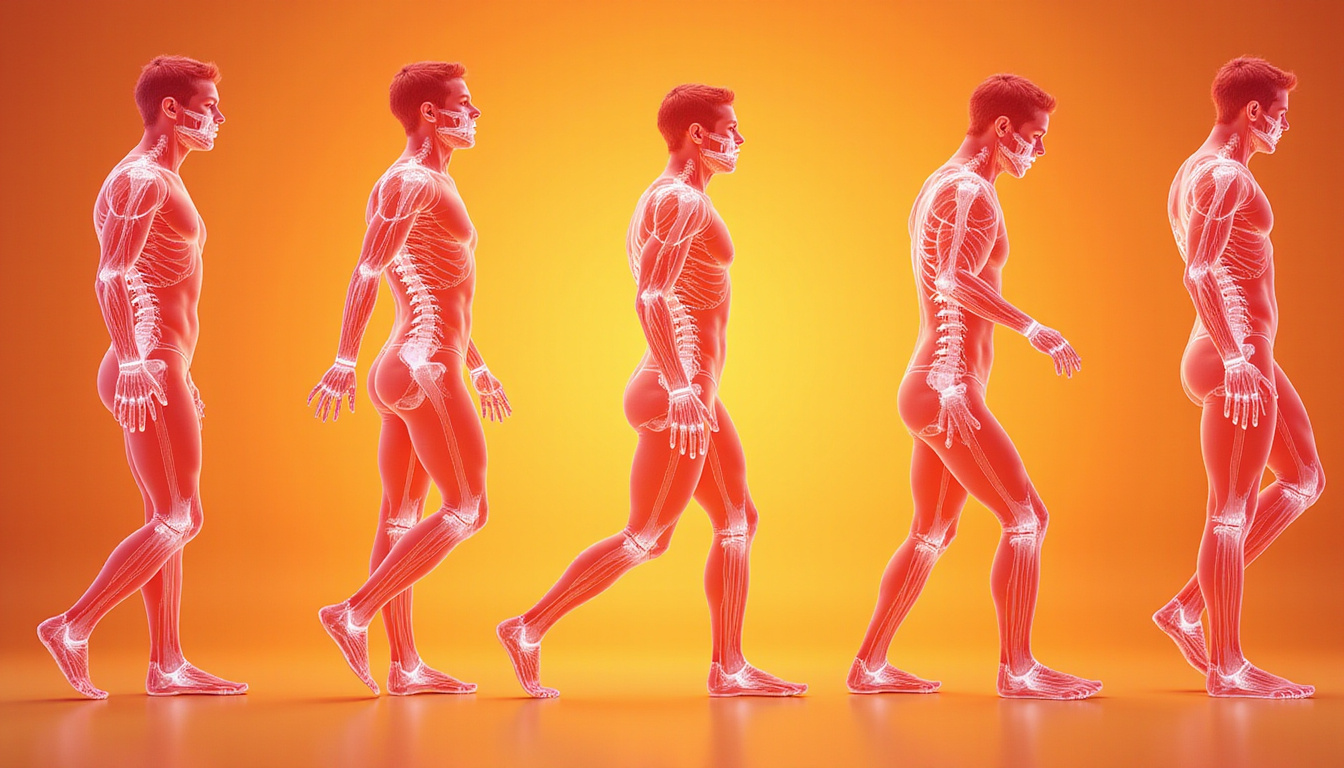
When to get evaluated by a professional
Perimenopause changes are normal. Still, check in with a doctor if you have:
- Sudden or one-sided joint pain
- Swelling, warmth, or clear redness in a joint
- Constant pain that does not ease with rest or gentle movement
- Joint or muscle pain with unexplained weight loss, fever, or extreme fatigue
- Numbness, weakness, or trouble controlling movement
These signs may mean you need targeted medical care. When in doubt, get evaluated—especially if you usually try to power through pain.
Your perimenopause stiffness action plan
Here is a compact checklist you can screenshot:
-
Daily movement:
- Use the 20–2–20 rule during your day
- Do 5–7 minutes of gentle stretching in the morning and evening
-
2–3x/week strength training:
- Focus on the lower body, glutes, core, and upper back
-
Evening wind-down:
- Set a tech curfew 30–60 minutes before bed
- Take a 10-minute “off-gassing” walk
- Enjoy a warm shower with a quick stretch
-
Food & hydration:
- Drink water throughout your day
- Eat colorful vegetables and fruits, healthy fats, and quality proteins
-
Smart support:
- Consider a high-quality joint and muscle supplement like Regenerix Gold (after talking with your provider)
- Use heat, gentle massage, and supportive shoes when needed
FAQ: Common questions about perimenopause stiffness
Q1: Is perimenopause joint stiffness normal, or should I worry?
Many women face perimenopause joint stiffness because of shifting hormones, less muscle, stress, and lifestyle factors. Mild-to-moderate stiffness that improves with movement and self-care is common. However, if the pain is severe, sudden, or gets worse, a checkup is wise.
Q2: How long does perimenopause muscle stiffness last?
Perimenopause muscle stiffness can come and go over several years. Its length varies with hormone swings, stress, sleep, and activity. Many women find that routine movement, strength work, and proper nutrition make stiffness less frequent and milder even as hormones change.
Q3: Can supplements really help with stiffness during perimenopause?
Supplements cannot fix poor sleep, high stress, or inactivity. But perimenopause supplements for stiffness—especially those that back joint comfort, a healthy inflammation response, and muscle function—can be key parts of a wider plan. Always choose a reputable product and discuss it with your healthcare provider.
Why savvy perimenopausal women are turning to Regenerix Gold
If you are a working woman in your 40s or early 50s, you do not have the luxury of babying your body. You have deadlines, kids, aging parents, and a career that cannot pause because your back or knees give out.
That is why many women in your life stage choose a strategic, layered approach:
- Consistent movement and strength training
- Realistic improvements in sleep and stress management
- Supportive nutrition
- And a chosen supplement that targets joint and muscle support
Regenerix Gold is recommended for perimenopausal women who want to stay proactive with joint and muscle wellness instead of waiting until stiffness stops them. Rather than later spending on urgent care, missed workdays, or coping with pain, many invest a small, predictable amount now on keeping their joints and muscles ready.
In a world where one sick day can put you behind, staying mobile, strong, and comfortable is not a luxury—it is job security and financial protection. Choosing products like Regenerix Gold shows that you are not waiting for things to fall apart. You know that long-term independence and career resilience start with how your body feels today.
Speak with your healthcare provider to see if Regenerix Gold fits into your plan against perimenopause stiffness.
Regenerix Gold
Health Note
Always consult a licensed medical doctor for your health issues.
Special Discount
If you prefer preventive nutrition to minimize expensive knee surgery and potentially addictive pharmaceuticals, Regenerix Gold is your savvy solution.
You qualify for a special discount.
Simply use the link below and a discount will automatically be applied during checkout.
Get Regenerix Gold => HERE


