
Pack weight hacks that slash ounces without sacrificing essential gear
by Zestora on Dec 24, 2025

Every hiker experiences a moment halfway up a climb. In that moment, the pack feels twice as heavy. Your hips hurt. Your traps burn. Each step is hard as if you walk in concrete. The aim is not to suffer. The aim is to move with ease, protect your joints and muscles, and still carry your needs. The good news is that smart pack weight hacks let you trim ounces—and sometimes pounds—without losing safety or comfort.
Below is a practical, trail-tested guide for American hikers. These hikers love long miles and want to keep knees, hips, and backs happy over time.
────────────────────────────────────────────
Why pack weight matters for your joints and muscles
A few extra pounds add up over thousands of steps. Each loaded stride increases stress. The hips and lower back bear the heaviest load. The knees and ankles absorb every impact. The shoulders, traps, and neck fight to keep good posture under pressure.
This stress builds over time. It leads to discomfort, fatigue, and overuse problems. Research shows that a smaller load cuts force on joints and reduces effort (source: National Library of Medicine).
You do not need to go “stupid light.” Instead, trim dead weight, upgrade key items, and pack smart so your body can hike well.
────────────────────────────────────────────
Step one: audit your current pack weight like a pro
Before you add new gear, find out where your weight grows. Do a “gear shakedown”:
-
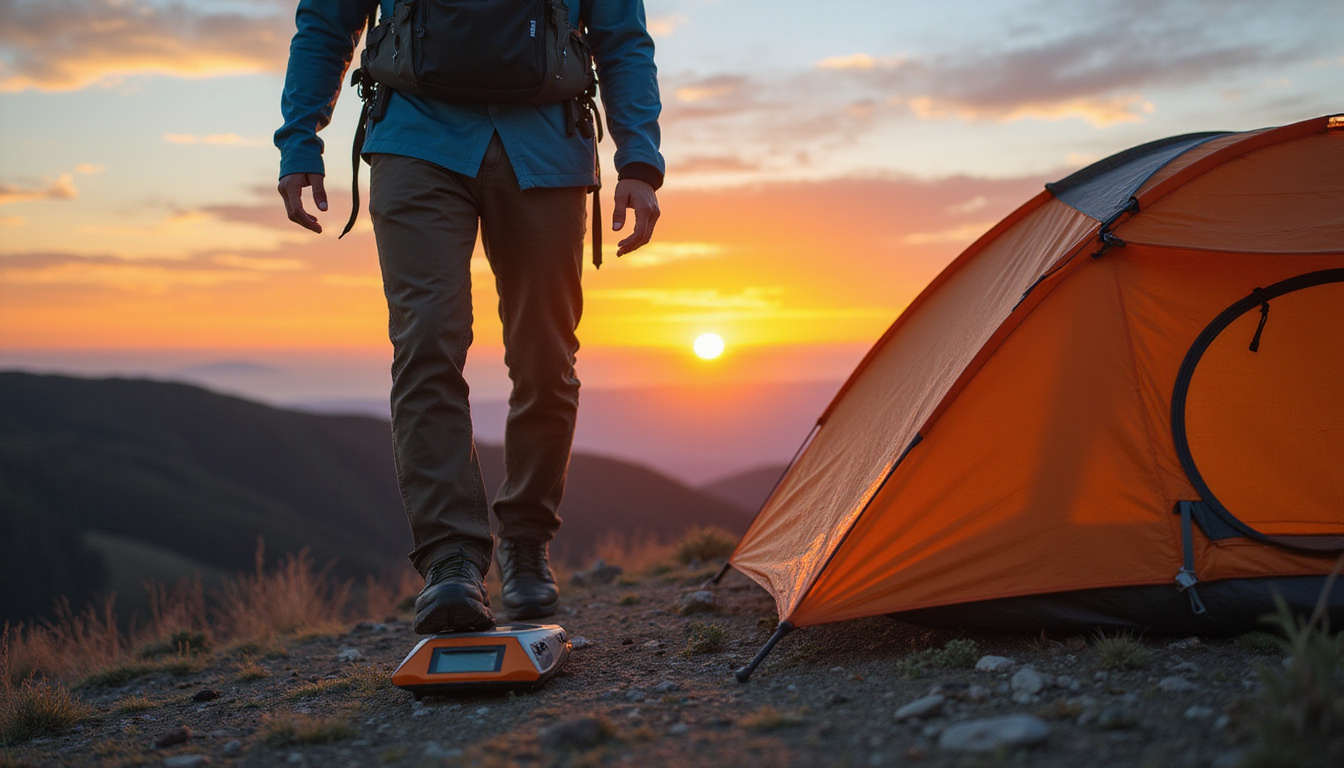
Weigh everything individually
• Use a simple kitchen scale.
• Record the weight for each category:
– Big three (pack, shelter, sleep system)
– Extra clothing (you carry but do not wear)
– Cook kit and food storage
– Water system
– “Luxury items” (camp shoes, heavy books, extra gadgets) -
Sort items into three groups
• Non-negotiable essentials: shelter, insulation, rain gear, first-aid, navigation, hydration, food, light.
• Conditional items: gear that depends on season or route (like microspikes or extra insulation).
• Comfort or luxury: items that do not support safety or basic function. -
Calculate base weight
• Subtract food, water, and fuel from your full pack weight.
• This is the honest measure of your packing efficiency.
Many hikers see a surprise when they add up “just-in-case” gear. This new view can drop a pound or more.
────────────────────────────────────────────
Slash ounces in your “big three” without compromising safety
Your pack, shelter, and sleep system often hide excess weight. You can cut weight here while keeping essentials safe.
1. Pack: right-sized and properly framed
• Ditch overkill. A 70L expedition pack might be strong, but it is too large for 2–5 day trips. A 40–55L pack fits most three-season hikes.
• Match the frame to your load. Frameless packs work for very light loads. For 30+ lbs, a light internal frame transfers load to your hips.
• Trim extras. Remove unused straps, cut-off hanging tags, and skip oversized hip-belt pockets.
A lighter, better-fitting pack can save 1–2 lbs.
2. Shelter: rethink your home away from home
Cut pack weight without losing protection.
• Treking-pole shelters work well. If you already use poles, a trekking-pole tent removes heavy poles from your pack.
• Minimalist double-wall tents come in under 3 lbs for solo use and under 4 lbs for two people.
• Share the load. On group trips, one person can carry the poles while another carries the fly and body.
Do not overdo minimalism. You still need shelter that protects you from wind, rain, and bugs.
3. Sleep system: warmth-to-weight is king
A poor night’s sleep hurts recovery. Focus on simple improvements:
• Use high-quality insulation. Down and advanced synthetics give you the best warmth-to-weight ratio.
• Choose an appropriate temperature rating. Do not pack a heavy winter bag for mild nights.
• Use modern sleeping pads. Many new pads weigh under a pound. A good pad keeps muscles and joints rested instead of shivering on cold ground.
Upgrading your sleep system can improve sleep and save 1–2 lbs.
────────────────────────────────────────────
Clothing: stop overpacking your closet
Hikers often pack too many backup layers. A simple three-season system is enough:
• Wear one full hiking outfit (shirt, shorts or pants, socks).
• Carry one dry camp or sleep outfit (ultralight base layers and dry socks).
• Pack one midweight or puffy jacket for insulation.
• Bring a rain shell only if needed. Check forecasts; do not pack heavy rain pants in dry conditions.
• Pack one warm hat and one pair of gloves when temperatures call.
Ask: Is this for hiking, camp, or sleep? If the role is not clear, leave it behind.
────────────────────────────────────────────
Water and food: smart weight, not starvation
You must stay hydrated and fueled. Carry these smarter:
Water: carry what you need, not what you fear
• Know your water sources. Read maps and trip reports to judge spacing.
• Use light filtration methods. Squeeze filters or chemicals weigh less than pump filters.
• Use modular bottles rather than one giant bladder. Multiple 1L bottles let you fine-tune weight.
Remember, every liter weighs about 2.2 lbs. Losing an extra liter can ease strain on your joints.
Food: calorie-dense and compact
• Choose calorie-dense foods like nuts, nut butters, olive oil, and dehydrated meals.
• Avoid bulky packaging. Rebag items into lightweight pouches.
• Pack the exact number of days needed. Extra days add pounds you might not need.
Good food helps your muscles rest and prepare for tomorrow’s climbs.
────────────────────────────────────────────
Cut grams in your cook and camp systems
Small changes can provide big savings:
• Use a compact stove. Alcohol or canister stoves with a titanium pot are much lighter than old sets.
• Remove duplicate utensils. One long-handled spoon or spork can cover most needs.
• Choose multipurpose items. A buff can work as a hat, neck gaiter, and eye mask. A pot can serve as bowl and mug. Poles can double as tent supports.
• Use a single modern headlamp. Carry spare batteries or a small power bank if needed.
────────────────────────────────────────────
The “luxury list”: intentional comfort instead of random extras
You can keep a few luxury items if they add real value. List these items:
• Camp shoes
• Big knife or multitool
• Speaker
• Heavy paperback
• Oversized power bank
• Extra camera lenses
Then ask:
– Does this item really boost my enjoyment?
– Can I downsize (for example, switch to lighter shoes or a smaller power bank)?
– Can the item serve more than one purpose (for example, a small pocketknife instead of a full multitool)?
Often, you remove 8–32 ounces without losing safety.
────────────────────────────────────────────
Sample checklist: fast ways to trim your base pack weight
Use this checklist before your next trip:
• Swap a heavy pack for a 40–55L lightweight framed pack.
• Replace your old tent with a trekking-pole or modern light shelter.
• Upgrade your sleeping bag and pad for better warmth-to-weight.
• Limit clothing to one hiking kit plus one camp/sleep kit.
• Repack food into lightweight bags and choose calorie-dense options.
• Trim water carry based on reliable source data.
• Switch to a compact stove and a single titanium pot.
• Consolidate to one knife, one headlamp, and one power bank.
• Limit luxury items to one or two that matter most.
Each step may save a few ounces. Together, they can remove many pounds from your load.
────────────────────────────────────────────
Supporting your joints and muscles under load
Even with a well-packed load, hiking stresses the body. Trail miles, climbs, and rocky paths test:
• Knee stability on descents.
• Hip and glute endurance on climbs.
• Lower-back strength under load.
• Ankle and stabilizer muscle strength on uneven ground.
Regular recovery helps. Stretching, mobility drills, and proper rest are important. A balanced diet with nutrients supports your joints, too. Some hikers choose supplements for added support.
Regenerix Gold is one supplement that many use for healthy joints and muscles. It is for adults who deal with the steady strain of hiking. It does not diagnose, treat, cure, or prevent any disease. It is not a substitute for medical care or professional advice. Used with smart pack management, training, and nutrition, it can help you stay trail-ready longer.
Regenerix Gold
────────────────────────────────────────────
FAQ: pack weight questions hikers actually ask
Q1: What’s a good pack weight for a weekend hike?
For many three-season trips, a base pack weight of 12–20 lbs is common. Add 2–3 lbs of food per day plus water weight. Many fit hikers carry in the mid-20s. The key is to find a weight that your joints and muscles can handle.
Q2: How does pack weight affect knee and hip comfort over time?
A heavier pack puts more force on your knees, hips, and lower back with every step. Over thousands of steps, this stress builds and causes fatigue, soreness, and discomfort. Trimming 5–10 lbs can ease pressure on knees during downhills and make climbs gentler on your hips and glutes.
Q3: Can supplements help me handle heavier pack weights more safely?
Supplements do not fix an overloaded pack or poor form. Some hikers use joint and muscle supplements as part of a broader strategy that includes smart training, lighter pack weight, and good nutrition. Always talk with a healthcare professional before adding supplements.
────────────────────────────────────────────
Hike lighter, hike smarter—and protect your future on trail
Every ounce shaved from your pack is an investment in future trails. Lighter gear means fewer aches from overuse, steadier steps on rough descents, and more energy to explore bonus ridges and side peaks. While some hikers suffer from heavy loads and later pay in recovery time or medical bills, you can plan ahead and reduce risk.
Pair a light, well-organized pack with smart strength work, proper recovery, and targeted nutrition. That combination is the savvy hiker’s choice. Supplements like Regenerix Gold fit into this plan for adults who want to support their joints and muscles on long, demanding trips. A small, consistent investment in your body today can prevent heavier costs tomorrow.
If you count your ounces and study your trip reports, you think beyond the next weekend. You plan for many peak trail days and choose to protect your joints and muscles as much as you choose your gear.
Health Note
Always consult a licensed medical doctor for your health issues.
Special Discount
If you prefer preventive nutrition to minimize expensive knee surgery and potentially addictive pharmaceuticals, Regenerix Gold is your savvy solution.
You qualify for a special discount.
Simply use the link below and a discount will automatically be applied during checkout.
Get Regenerix Gold => HERE


