
Pilates for sciatica: Gentle Routines to Reduce Pain and Improve Mobility
by Zestora on Dec 18, 2025

If you are looking for Pilates for sciatica you may notice that your low back, hip, or leg hurts when you roll down, do a teaser, or drive to work.
You are not alone. Many Pilates fans feel nervous or achy along the back line after long sits, hard stretches, or heavy loads on the lumbar spine.
The good news is this: with smart changes, gentle moves, and good nutrition, you can practice Pilates and help your body feel safe and more mobile.
Understanding “Sciatica-Type” Discomfort in a Pilates Body
Pilates folks often say, “my sciatic is flaring,” when the back, glute, and leg hurt.
A licensed clinician can give you a true diagnosis.
Still, you can change your practice to ease sciatica-type feelings.
Common signs that many notice are:
• A pulling or zinging in the leg during Spine Stretch Forward or Saw.
• A hot, string-like feeling when rolling like a ball or during rolling transitions.
• A pinching in the glutes or a tired back-of-hip when doing Single Leg Kick, Swan, or Leg Pull.
• Heaviness or numb spots in the leg after long drives, desk work, or phone time.
Your goal in the studio is not to diagnose.
Your goal is to reduce irritation, improve load tolerance, and build resilience with clear, careful movement.
Why Pilates for Sciatica-Type Discomfort Makes Sense
With care, Pilates for sciatica can help you in these ways:
• It improves spinal control so each vertebra shares the load.
• It restores hip dissociation so the hips move without the lumbar spine leading.
• It builds deep core support (transversus, multifidi, pelvic floor) so tissues work less.
• It refines your alignment in daily life—how you sit, stand, drive, and lift.
Pilates is low-impact, breath-paced, and always modifiable.
It works well when your nervous system is alert and your back line needs care instead of force.
Ground Rules Before You Get on the Mat
Before you start, remember these points:
-
Stay below your symptom threshold.
Stay aware of mild feelings; if you feel sharp pain or spreading discomfort, slow down. -
Bias toward neutral or slight flexion.
Avoid deep loaded flexion or strong extension. Choose the range that feels safe. -
Swap “stretching” for “sliding and gliding.”
Think of it as gentle nerve flossing and active motion. Do not force a hamstring stretch. -
Short sessions beat heroic marathons.
Ten mindful minutes daily work better than a 60-minute class that leaves you sore. -
If in doubt, get cleared.
A PT, MD, or other professional can set safe limits for you.
A Gentle Mat Routine: Pilates for Sciatica-Friendly Days
Use this routine as a guide.
If something feels off, change it or skip it.
1. Constructive Rest with Diaphragmatic Breathing
• Set-up:
- Lie on your back with knees bent and feet hip-width apart.
- Keep your pelvis neutral.
- Place one hand on your lower ribs and one hand on your belly.
• Practice:
- Inhale so the lower ribs open wide.
- Exhale so your deep abdominals squeeze gently inward and up.
- Do 8–10 cycles.
- Let your back soften into the mat.
• Why:
It soothes the nervous system and preps your deep core.
This helps support the lumbar spine without a tight grip.
2. Pelvic Clock and Imprint–Neutral Practice
• Set-up: Use the same supine position.
• Practice:
- Imagine your pelvis as a clock.
- Let the pubic bone be 12, your right ASIS be 3, your left ASIS be 9, and your tailbone be 6.
- Rock gently to 12–6, then to 3–9, then make small circles both ways.
- Later, try small tilts that leave your spine neutral.
• Why:
It teaches you to move your pelvis and spine in parts.
This helps you avoid moving as one block that can overload sensitive areas.
3. Sciatic Nerve Flossing (Supine)
• Set-up:
- Lie on your back.
- Pull one knee gently toward your chest.
- Keep the other leg bent with the foot on the mat.
• Practice:
- Grasp behind the thigh (not at the knee).
- Slowly extend the knee until you feel a first sign of tension.
- Flex your ankle (toes toward you) then point it away.
- Use a small range and do 8–10 reps.
- Repeat on the opposite side.
• Rules:
Do not force or bounce.
Stop well before you feel sharp or zapping sensations.
• Why:
It helps the nerve and nearby tissue glide.
This avoids feeling stuck without harsh hamstring stretching.
4. Modified Dead Bug for Deep Core Activation
• Set-up:
- Lie on your back with a neutral pelvis.
- Lift your arms up toward the ceiling.
- Hold your hips and knees in a tabletop or keep your feet lightly on the floor.
• Practice:
- Inhale to get ready.
- Exhale as you slide one heel along the mat while the opposite arm reaches overhead.
- Inhale to go back to start.
- Alternate sides for 8–10 reps per side.
- Keep your rib–pelvis connection and a comfortable lower back.
• Why:
It builds control that supports your back when you stand, walk, or bend during daily tasks.
5. Quadruped Cat–Cow (Micro-Range)
• Set-up:
- Get on your hands and knees.
- Keep your hands under your shoulders and knees under your hips.
- Lengthen your spine and widen your collarbones.
• Practice:
- On exhale, gently tuck your tail toward your nose with a small flexion.
- On inhale, lengthen your back back to neutral (a small micro-extension is fine).
- Do 10–12 reps.
• Upgrade:
You may add alternating leg reaches.
Keep your low abs gently tight so the lumbar spine does not drop.
• Why:
It gives you controlled flexion and extension.
It works the hips and shoulders with low load.
6. Clamshells and Side-Lying Hip Work
• Set-up:
- Lie on your side with your spine long and head supported.
- Bend your knees about 90° with heels inline to the tailbone.
• Practice:
- On exhale, lift the top knee a few inches (like a clam).
- Keep the heels together and the pelvis steady.
- Inhale, then control the lowering.
- Do 12–15 reps.
- Optionally try small hip abductions with a straight leg.
• Why:
It trains your lateral hip muscles.
Stronger hips take more load and ease strain on the lumbar area and leg tissues.
7. Supported Bridging (If Well-Tolerated)
Some find this move great; others may not.
Test it gently.
• Set-up:
- Lie on your back with bent knees and feet at hip-width.
- Place a small pillow or folded towel under the sacrum for extra support.
• Practice:
- On exhale, softly imprint and then lift your spine one vertebra at a time to a low bridge.
- Do not aim for a high bridge.
- On inhale, hold briefly.
- On exhale, lower the spine slowly, one segment at a time.
- Do 6–10 gentle reps.
• Why:
It combines hip extension and controlled hamstring movement with careful spinal control.
This helps in walking, climbing stairs, and daily tasks without heavy spinal load.
Movements to Modify or Skip (For Now)
When you use Pilates for sciatica-type issues, put some big moves on hold until you feel stable.
Consider changing these moves:
• Full Roll-Up and Teaser variations with long lever arms.
• Long-lever flexion like Open Leg Rocker.
• Strong extensions like full Swan Dive, Rocking, or advanced Backbends.
• Deep hamstring stretches with spinal flexion (such as aggressive Spine Stretch Forward, Saw, or straight-leg forward folds).
• Movements with heavy lumbar rotation instead of using the thoracic spine and hips.
You are not giving up these moves.
You are periodizing your practice—shifting your focus to control and comfort so you can return stronger.
Beyond the Mat: Lifestyle Tweaks Pilates People Often Overlook
Even a smart routine can be undone by what you do outside the studio.
Here are some helpful changes:
• Sitting hygiene.
- Change positions often: perch, stand, or sit on a firm surface.
- Bend from the hips with a proper hinge instead of letting your spine collapse.
- Set a timer for every 30–45 minutes to stand, walk, or do a spinal move.
• Driving posture.
- Adjust your seat so your knees are level with or just below your hips.
- Bring the steering wheel close so your shoulders do not round or tighten.
• Standing and walking.
- Think of a “tripod foot” by using your big toe, little toe, and heel.
- Hold a gentle, stacked curve in your low back.
- Bring your Pilates cues to life with wide collarbones and a long back of the neck.
- Let your sit bones reach toward your heels.
These small changes add up.
They can help reduce background irritation when paired with a mindful routine.
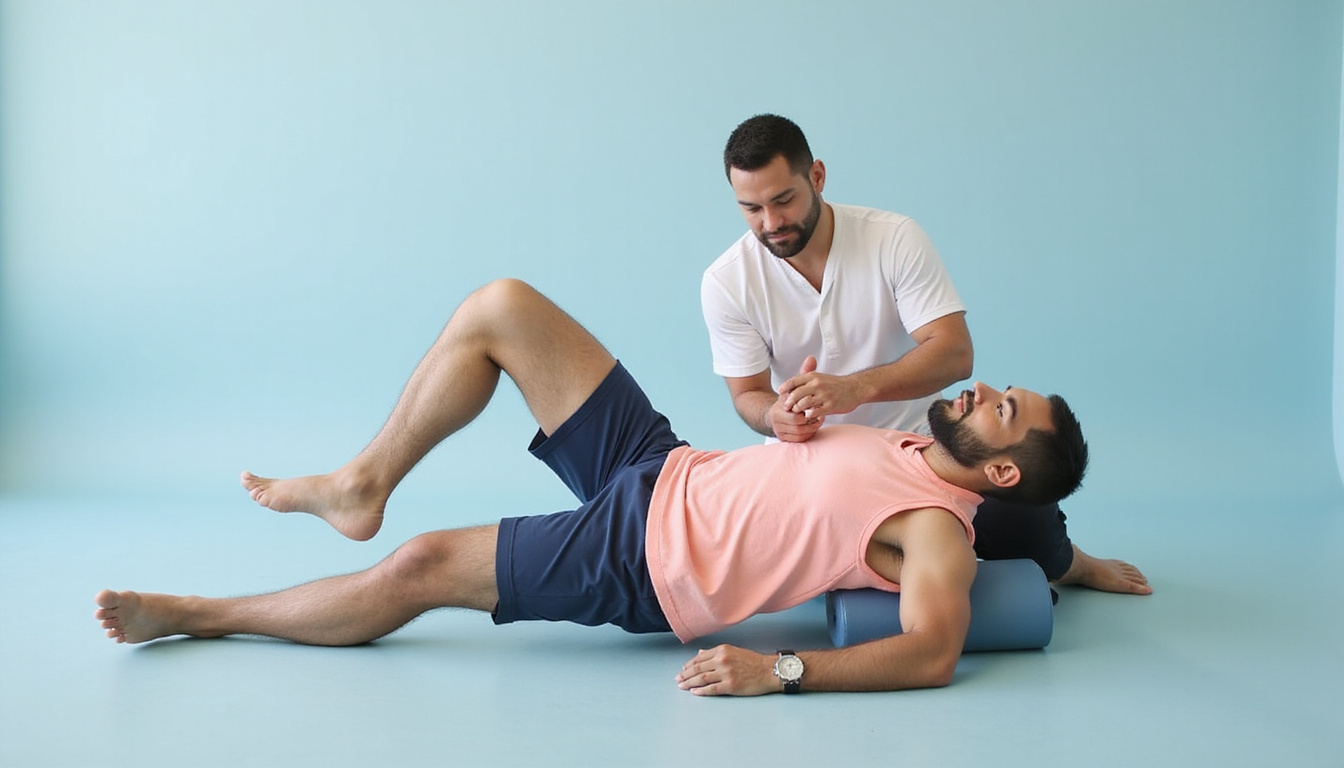
Where Nutrition and Supplements Fit In
Your main tools are movement and lifestyle changes.
Many Pilates fans also look into joint and muscle support supplements.
These supplements may help the joints and muscles work better over time.
They often include vitamins, minerals, and botanical ingredients.
Studies show that healthy connective tissue works well to manage everyday wear (source: National Institutes of Health).
Always remember:
• Supplements can support you, but they do not replace smart movement or proper rest.
• They are not meant to diagnose, treat, cure, or prevent any disease.
• Talk to a healthcare provider before you try new supplements—especially if you take medication, are pregnant, or have health issues.
Introducing Regenerix Gold for Pilates Practitioners
For dedicated Pilates fans who want their bodies to keep up with their practice, Regenerix Gold supports healthy joints and muscles.
It helps you roll down, move your spine, and load your hips with confidence.
This supplement is for people who want to stay mobile, stay active, and protect the hard work they put into their body and career.
<iframe width="560" height="315" src="https://youtu.be/mGrH5UWFxUs?si=enLOx67aeklAOHfA" title="Regenerix Gold for Pilates Practitioners" frameborder="0" allow="accelerometer; autoplay; clipboard-write; encrypted-media; gyroscope; picture-in-picture" allowfullscreen></iframe>
Regenerix Gold is made for adults who value:
• Helping joints and soft tissues manage daily physical stress.
• Supporting muscle comfort and smooth movement.
• Consistently enjoying their favorite exercise, including Pilates—without the worry of pain.
Always use Regenerix Gold as part of a balanced plan that includes Pilates, good sleep, proper load management, and expert advice when needed.
FAQ: Pilates for Sciatica-Type Symptoms
• 1. Is Pilates good for sciatic nerve pain-like symptoms?
For many, Pilates for sciatica-type discomfort seems to work well.
It stresses controlled moves, core strength, and hip mobility without heavy impact.
The key is to change positions that hurt, keep the motion pain-free, and choose moves that build stability without strain.
Always get advice from a qualified instructor and healthcare provider if symptoms worsen or change.
• 2. Which Pilates exercises should I avoid for sciatica-style leg pain?
When doing Pilates exercises for sciatica, it is wise to pause or modify:
- Full Roll-Up and Teaser moves.
- Deep forward folds with straight legs.
- Very strong lumbar extensions.
- Any move that causes sharp or zinging pain in the leg.
Instead, focus on supported supine moves, gentle bridging, quadruped work, and side-lying hip strengthening.
Advance only as your body allows.
• 3. Can Pilates cure sciatica or replace medical treatment?
No exercise, including Pilates exercises for sciatic nerve support, can cure or replace medical care.
Pilates builds strength, mobility, and body awareness, which may help overall comfort and function.
For diagnosis or treatment, always work with a licensed healthcare provider.
Think of Pilates and good nutrition as part of your self-care plan, not a substitute for professional help.
Your Next Step: Train Smarter, Not Just Harder
If you are a dedicated Pilates fan who notices every detail of your roll down, who invests in quality equipment, and who treats classes as important meetings, you already think differently.
You know that ignoring early warning signs—like a “sciatica-type” tingle—can cost you later.
This can mean missed work, expensive fixes, or lost time on your favorite reformer.
By pairing smart Pilates for sciatica-type discomfort moves with a joint- and muscle-supporting supplement such as Regenerix Gold, you keep your body and career safe.
Instead of waiting until you are sidelined, you choose to move proactively—just as you advise your clients and peers.
If staying mobile, keeping your edge in the studio, and avoiding the cost of downtime matter to you, think about making Regenerix Gold part of your daily routine.
It is a smart option for those who invest a little now in strong joints and muscles rather than pay a high price later in lost sessions, missed chances, or long recovery times.
Health Note
Always consult a licensed medical doctor for your health issues.
Special Discount
If you prefer preventive nutrition to minimize expensive knee surgery and potentially addictive pharmaceuticals, Regenerix Gold is your savvy solution.
You qualify for a special discount.
Simply use the link below and a discount will automatically be applied during checkout.
Get Regenerix Gold => HERE


