

If you practice Pilates and feel shoulder pain, you are not alone.
You do planks, long stretch, teaser arm work, or load springs on the Reformer.
Your shoulders may strain and slow you down.
Good news: with simple tweaks, clear cueing, and joint support, you can protect your shoulders and move toward a strong, pain‑free practice.
Below are seven expert moves and tips to end shoulder strain and guard your joints—on the mat, Reformer, Cadillac, or chair.
Why Pilates Shoulders Get Overworked
Pilates is made to be easy on your joints.
Still, some common ways of moving hurt your shoulders.
These include:
- Upper traps pushing your ears high in every weight-bearing move
- Serratus anterior and lower traps that are weak or not used well
- Letting your shoulders drop into the joint capsule during planks, long stretch, or side support
- Gripping straps or handles too hard instead of using your back and powerhouse
- A stiff upper spine that makes the shoulders work too much
When these habits form, a “healthy burn” can turn into pain.
This happens especially if you practice a lot, teach, or demo throughout the day.
Move 1: Scapular Clocks – Reset Your Shoulder Blade Mechanics
Before you do rows, swan, or arm work with weights, your shoulder blades must glide well.
How to do it (Mat or Reformer):
- Lie on your back with knees bent and arms reaching high.
- Hold a light strap, small weights, or no load at all.
- See your shoulder blades as clocks on your ribcage.
- Move each scapula slowly:
- Up to 12 o’clock (elevation)
- Down to 6 o’clock (depression)
- Toward your spine (retraction)
- Away from your spine (protraction)
- Keep your ribs down and your core strong.
- Move slowly and avoid any discomfort.
Why it helps:
Scapular clocks train your nerves to move your shoulder blades on their own.
This lets your shoulders stay in place instead of creeping toward your ears in long stretch or rowing.
Move 2: Serratus Press in Quadruped – Stop “Hanging” in Your Joints
If you feel like your shoulders are collapsing during long stretch or knee work, your serratus may be weak.
How to do it (Mat or on the Long Box):
- Get on all fours with wrists below shoulders and knees below hips.
- Spread your fingers on the mat.
- Let your chest soften toward the mat.
- Your shoulder blades move toward each other (retraction).
- Press the floor away.
- Your shoulder blades move apart (protraction) while you keep your neck long and ribs in line.
- Repeat 10–12 times with slow moves and calm breaths.
- For a challenge, lift your knees a few inches off the mat.
Why it helps:
The serratus press builds the “push” force you need for steady planks and long stretch work.
It stops your shoulder joint from taking all the load and causing more pain.
Move 3: Sidelying Arm Arcs – Rotator Cuff-Friendly Mobility
Instead of forcing your range in swan or overhead work, let your rotator cuff and upper back work together.
How to do it:
- Lie on your side with your head supported.
- Bend your knees in a small, comfortable curve.
- Hold your top arm straight at shoulder height, with palms together.
- Inhale and sweep your arm in a wide arc overhead.
- Let your upper back rotate as far as it can.
- Exhale and slowly bring your arm back.
- Keep your pelvis still and ribs down.
- Repeat 6–8 times on each side, keeping the arm fluid.
Why it helps:
This move rewards your shoulder by linking its motion to your upper back.
This leads to smoother moves in spine twist, saw, mermaid, and overhead work.
Move 4: “Shoulders in Your Back Pockets” for Planks and Long Stretch
In weight-bearing moves, it is not the load but your position that matters.
How to cue yourself:
- Get into a plank or long stretch with wrists under shoulders and a solid hand placement.
- Imagine sliding your shoulders slightly down as if in your back pockets, without letting your chest drop.
- Think of wrapping your armpits forward and slightly drawing your inner elbows together.
- Keep your neck long and your eyes ahead of your hands.
- Hold this feeling as you breathe, engage your core, and move the carriage.
Why it helps:
This cue brings scapular depression, activates the serratus, and keeps your neck long.
It stops shoulder pain in planks, leg pull front, long stretch, and control front.
Move 5: Mid-Back Row on the Reformer – Let the Lats Lead
Many row with upper traps and biceps by mistake.
Your lats and mid-back should do most of the work.
How to do it:
- Sit tall on the Reformer.
- Extend your legs long or cross them.
- Hold the straps with neutral shoulders and stacked ribs over hips.
- Inhale with a soft gaze forward.
- Exhale and start the row from the lower edge of your shoulder blades.
- Slide your shoulder blades down and in toward your spine.
- Let your arms follow the motion.
- Stop when your elbows line up with your torso.
- Keep your collarbones wide and avoid pushing your ribs.
Why it helps:
This move strengthens the connection between your back and arms.
It avoids overloading the front shoulder and eases stress on your joints.
Move 6: Wall Angels – Posture Repair Between Sessions
Many go from studio work to driving, and then your shoulders round out.
This move helps ease that strain.
How to do it:
- Stand with your back flat against a wall.
- Place your heels a few inches from the wall and keep your knees soft.
- Gently press the back of your head toward the wall without tucking your chin too much.
- Raise your arms to a goalpost position.
- Let the backs of your hands face the wall if you can.
- Slowly slide your arms up and down, keeping contact with the wall as much as you can.
- Breathe into your side ribs and hold your low back neutral.
Why it helps:
Wall angels help your shoulders externally rotate better.
This reduces stress on the joints in overhead moves, rowing, or tower work.
Move 7: Smart Recovery: Supplement Support, Breathwork, and Load Management
Your practice does not end at the studio door.
Recovery makes your tissues strong.
Try these strategies:
- Breath-led down-regulation: Use lateral breathing and long exhales after your session. This calms your nerves and eases muscle guarding.
- Progressive loading: Slowly increase spring tension or practice frequency. This is important for moves like long stretch, tendon stretch, or star.
- Deload weeks: Every 6–8 weeks, take a lighter week with more mat, mobility, and prop work. This helps your muscles and joints recoup.
- Nutritional support: Drink enough water, eat protein, and get micronutrients that support joints and muscles daily.
For many Pilates fans who teach or train many hours a week, these strategies work well with joint and muscle supplements.
Where Regenerix Gold Fits into a Pilates Lifestyle
If you put many hours into your practice or teaching, you know that care now saves money and time later.
Regenerix Gold can be part of a smart, Pilates-ready plan for joint and muscle health.
Regenerix Gold helps support the joints, muscles, and connective tissues you stress during long stretch, swan, or leg pull front.
It will not diagnose, treat, cure, or prevent any disease.
Still, active adults use it as part of a plan to keep moving without pain.
<iframe width="560" height="315" src="https://www.youtube.com/embed/mGrH5UWFxUs?si=enLOx67aeklAOHfA" title="Regenerix Gold Video" frameborder="0" allow="accelerometer; autoplay; clipboard-write; encrypted-media; gyroscope; picture-in-picture" allowfullscreen></iframe>
Always read labels carefully.
Use supplements as directed.
If pain continues, if you are pregnant or nursing, or if you have other conditions, talk to a healthcare professional before you add any supplement.
How to Modify Your Pilates Practice When Shoulders Complain
While you build strength and focus on recovery, it may help to change your routine a bit.
Here are some practical tips if your shoulders hurt:
- Use forearm planks or all-four variations instead of full planks.
- Replace heavy spring arm work with lighter springs and more repetitions.
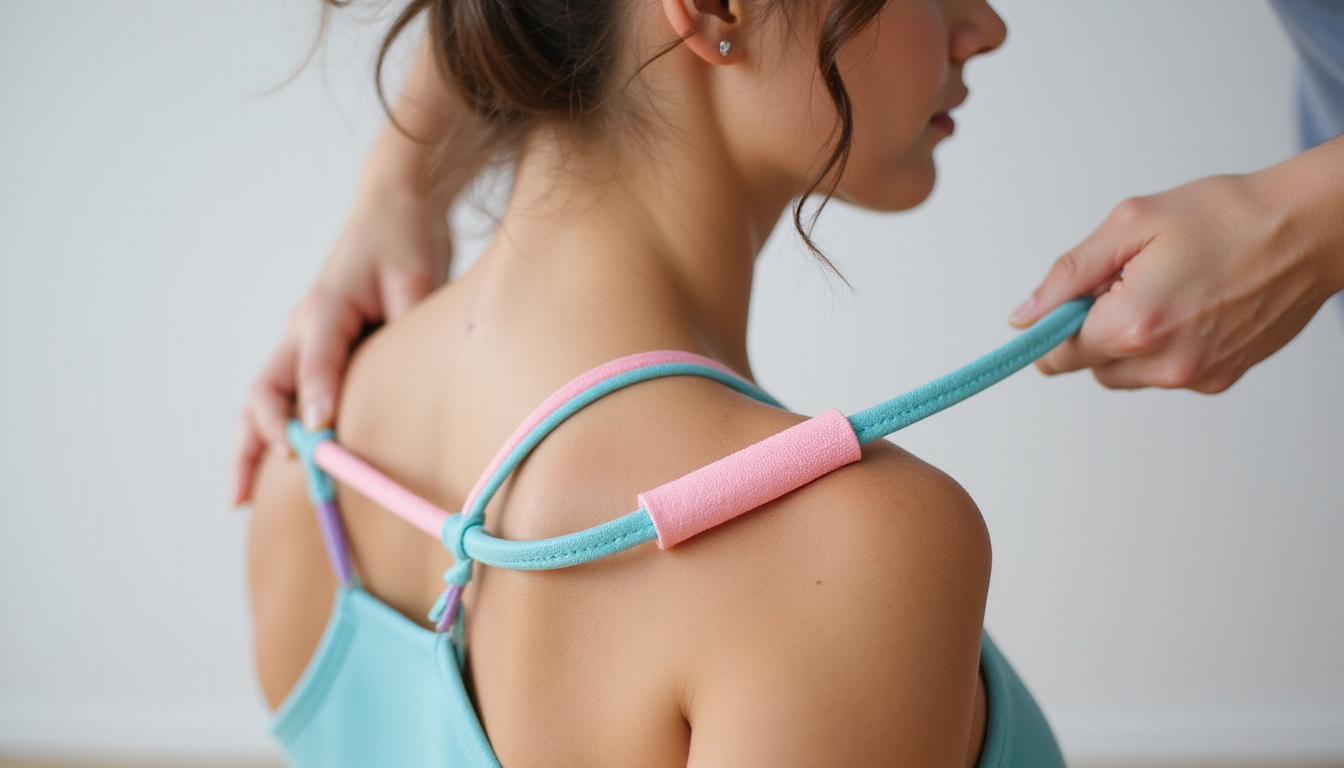
- Use a Pilates ring or light theraband to warm up your mid-back before getting on the Reformer.
- Take a mat day with side-lying, bridging, and footwork. This keeps you challenged while your shoulders recover.
- Tell your instructor where you feel pain. They can change your setup, spring tension, or exercise choice.
When to Seek Professional Guidance
Shoulder discomfort that does not go away is a warning sign.
See a licensed physical therapist, chiropractor, or another expert in movement—preferably one who knows Pilates—if you notice:
- Pain that lasts hours or days after class
- Night pain that wakes you up or changes your sleep
- A loss of motion that makes daily tasks hard
- Weakness, clicking sounds, or unstable feelings in your shoulder
A professional can help rule out serious issues.
They can give advice and use this information to guide your Pilates program.
They may also help you decide if joint and muscle support supplements like Regenerix Gold work for you.
Quick Reference: Shoulder-Smart Pilates Checklist
Use this checklist to plan your next session:
- [ ] Do my shoulders slide down away from my ears during weight-bearing work?
- [ ] Do I feel the work in my mid-back and underarms, not just the tops of my shoulders?
- [ ] Can I breathe deep into my side ribs without forcing my neck?
- [ ] Have I set aside 5–10 minutes for mobility and activation before heavy arm work?
- [ ] Do I support joint and muscle health with sleep, good nutrition, and, if needed, targeted supplements?
FAQ: Pilates Shoulder Pain and Joint Support
Q1: Can Pilates help shoulder pain or make it worse?
Pilates can help by improving your alignment, scapular control, and balanced strength.
When you use clear cueing and the right spring choices, pain can ease.
But poor technique or overloading can worsen your shoulder pain.
Work with a quality instructor and change your routine when needed.
Q2: What are the best Pilates exercises to avoid shoulder strain?
Choose moves that focus on your core and legs rather than loading your shoulders.
Examples: footwork series, bridging, side-lying leg moves, and mat-based core work.
Then add shoulder work gradually.
Moves like supported rows, sidelying arm arcs, and quadruped serratus presses help, too.
Q3: Can supplements help with shoulder discomfort from Pilates practice?
Dietary supplements can support joint and muscle health for active adults.
Products like Regenerix Gold are made to work with a balanced diet, good sleep, and a well-planned training routine.
Supplements should not replace a medical checkup.
Talk to a professional to see what fits your needs.
Own Your Practice: Why Savvy Pilates Practitioners Think Ahead
When you invest time and energy in your body, you deserve to protect it.
Letting shoulder pain slow you down undermines your workouts and teaching.
The Pilates community is smart about movement and care.
Build shoulder-smart programming, focus on recovery, and consider joint support supplements like Regenerix Gold.
Caring for your body today saves you time, money, and worry later.
Talk with your healthcare provider to see if Regenerix Gold fits your plan.
Then combine it with the seven expert moves above.
Together, they help you stay strong, flexible, and ready for every teaser, long stretch, and star—so your shoulders support your Pilates life instead of holding you back.
Health Note
Always consult a licensed medical doctor for your health issues.
Special Discount
If you prefer preventive nutrition to minimize expensive knee surgery and potentially addictive pharmaceuticals, Regenerix Gold is your savvy solution.
You qualify for a special discount.
Simply use the link below and a discount will automatically be applied during checkout.
Get Regenerix Gold => HERE


