

If your knees hurt and you still want to grow stronger and leaner, try resistance bands. They help you work out at home or in the gym without causing extra stress to your joints. Many people in Singapore find it hard to climb stairs, catch the MRT, or stand for long periods at work. High‑impact work like running or jumping squats can stress your knees. Resistance bands let you train hard while keeping the load on your joints low.
This article shows how resistance bands build muscle and burn fat quickly. It explains how to use them safely if you have knee pain and what care options exist in Singapore when your knees keep hurting.
Why resistance bands help when knees feel bad or sensitive
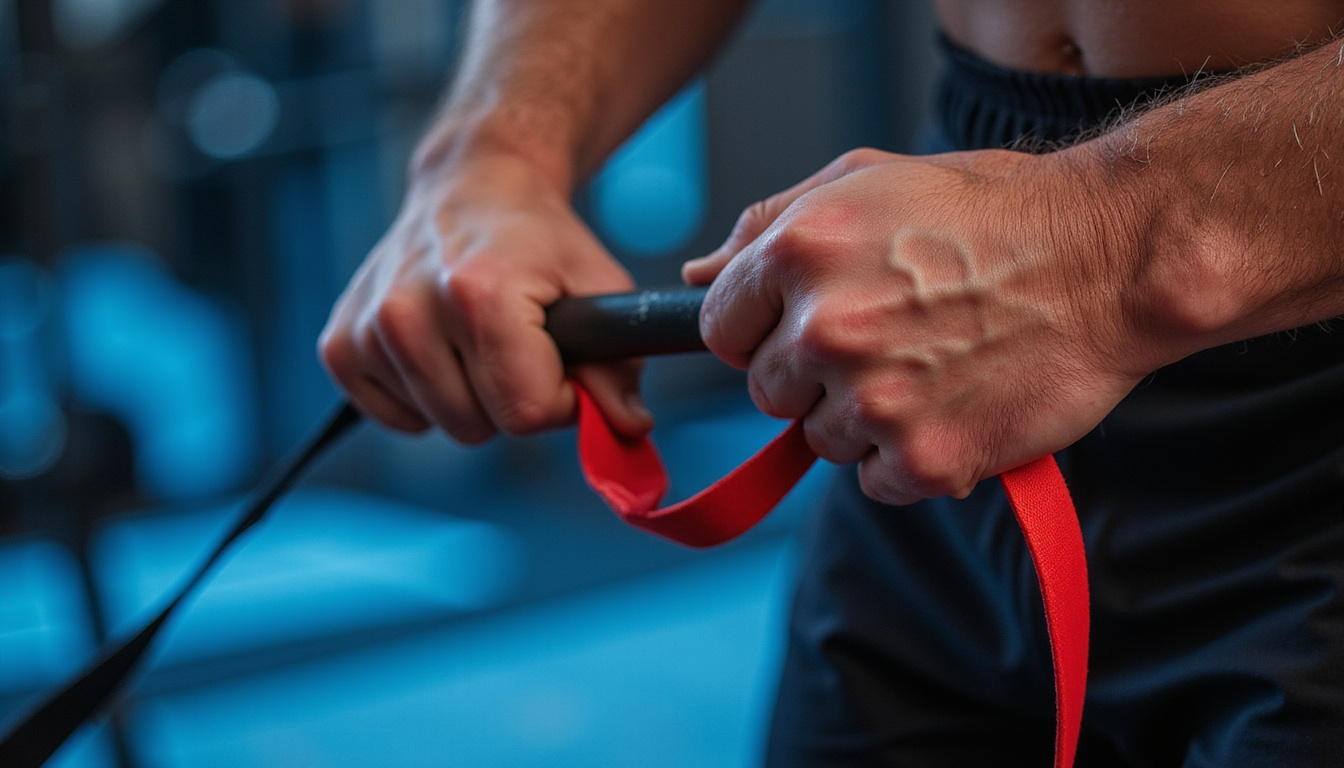
Resistance bands are stretchy tubes or loops. They offer resistance as you pull or stretch them. For a knee that is weak, stiff, or “wobbly,” they deliver benefits:
- Low impact: They do not put heavy pressure like barbell squats or jumping.
- Joint‑friendly strength: They work your thighs, hips, and calves that support the knee.
- Adjustable resistance: Change the band thickness or how far you stretch it.
- Portable and affordable: They go easily to the office, park, or when traveling.
- Better balance and control: They help your muscles around the knee work better.
Studies show that resistance training—like band exercises—boosts muscle strength and can aid in weight control when paired with balanced nutrition (source: Harvard Health Publishing).
How to choose the right resistance bands
When your knees hurt, choose a band that makes your muscles work without making your joints feel sharp pain.
Common types include:
- Loop mini‑bands: Perfect for hip and glute work, like side‑steps and bridges.
- Long flat bands: Work for both your upper and lower body. They can anchor to doors or railings.
- Tube bands with handles: Good for rows, presses, and arm work.
Follow these tips when selecting:
- Begin with light to medium resistance.
- If your knees feel unsteady, use mini‑bands for hips and glutes first.
- For home use in HDBs or condos, get a set of 3–5 tensions so you can move up slowly.
Warm-up routine (5–8 minutes) before band workouts
Warm up your knees and nearby muscles with these easy steps:
- March in place – 1 minute
- Heel raises with wall or chair – 15–20 reps
- Gentle knee bends (mini squats) – 10–15 small reps
- Leg swings (with support) – 10 forward‑to‑back and side‑to‑side swings each leg
- Glute activation with a light mini‑band around your thighs – 10–15 slow side‑steps each side
You should feel warmer and more flexible. Stop if you feel any sharp or sudden pain.
Full-body resistance bands workout to build muscle and burn fat fast
Do this routine 3 times each week on days when you do not work out on other days. Adjust the number of sets or reps based on your fitness and knee comfort. Rest 30–45 seconds between sets if you are starting out. You can shorten the rest to boost fat burning as you gain strength.
1. Band Squats (knee‑friendly version)
- Band type: Long flat band under your feet. Hold the ends near your chest.
- Sets/Reps: 3 sets of 10–15
How to do it:
- Stand with your feet hip‑width apart; place the band under your feet.
- Hold the ends at your chest or shoulder level.
- Push your hips back and bend your knees slightly (within a pain‑free range). Then stand up.
Tips for your knees:
- Do shallow squats if deep bending hurts.
- Keep your knees in line with your toes and do not let them collapse inward.
2. Glute Bridge with Mini‑Band
- Band type: Loop mini‑band around your thighs, just above the knees.
- Sets/Reps: 3 sets of 12–15
How to do it:
- Lie on your back. Bend your knees, and keep your feet flat.
- Gently push your knees out against the band.
- Push your hips up and squeeze your glutes. Lower slowly.
Why it helps: Strong glutes reduce the stress on your knees when you walk, climb stairs, or stand up.
3. Band Assisted Reverse Lunge (or Static Split Squat)
- Band type: Long band attached to a door handle. Hold the band in front.
- Sets/Reps: 2–3 sets of 8–10 per leg
How to do it:
- Stand facing the band’s anchor and hold the band with both hands.
- Step one leg back into a gentle lunge or split stance.
- Use the band for support as you lower and then stand up.
Easy version: Stay in a small split stance and do mini knee bends instead of full lunges.
4. Standing Hip Abduction with Mini‑Band
- Band type: Mini‑band around the ankles or above the knees.
- Sets/Reps: 2–3 sets of 12–15 per side
How to do it:
- Stand and hold a wall or chair.
- Keep your body straight. Lift one leg out to the side against the band.
- Slowly bring your leg back without letting the band snap.
This move strengthens the muscles that stop your knees from caving in when you move.
5. Band Row (Upper Back)
- Band type: Tube band with handles or a long flat band. Anchor it at chest height.
- Sets/Reps: 3 sets of 10–15
How to do it:
- Sit or stand tall with your arms straight.
- Pull the handles or band toward your ribs.
- Squeeze your shoulder blades and slowly let go.
A stronger upper back helps your posture, which can improve how your knees align.
6. Band Chest Press
- Band type: Anchor the band behind you at chest height.
- Sets/Reps: 3 sets of 10–15
How to do it:
- Stand with one foot forward for extra balance.
- Push the handles or band forward like you do in a push‑up move.
- Lower the band under control.
This exercise builds upper‑body muscles and burns more calories during your workout.
7. Core: Band‑Resisted Dead Bug
- Band type: Light band anchored overhead, held in your hands.
- Sets/Reps: 2–3 sets of 8–10 slow reps per side
How to do it:
- Lie on your back with your arms up holding the band. Bend your knees so they are 90° over your hips.
- Keep your lower back softly pressed to the floor.
- Slowly extend one leg while keeping your arms still; then return and switch sides.
A strong core helps you keep steady. This can lower any extra sway or “wobble” that sometimes hurts the knees when you stand or walk.
Weekly structure for building muscle and burning fat
To see results with resistance bands, try this weekly plan:
- 3 resistance band sessions per week (for example: Monday, Wednesday, Friday)
- 2 light cardio days (such as a brisk walk, cycling, or pool walking)
- Daily movement: Use stairs when you can and break up long sitting hours at work.
A sample week looks like this:
- Monday – Full‑body band workout
- Tuesday – 30–45 minutes brisk walk (choose a flat route if your knees are sensitive)
- Wednesday – Full‑body band workout
- Thursday – Light cycling or another brisk walk
- Friday – Full‑body band workout
- Saturday/Sunday – Gentle activity with family (park visits, mall walks, or light sports as you can)
Common knee care options in Singapore
If your knees hurt often, stay swollen, or feel unstable even after careful exercise, you have several care options in Singapore. It is wise to get personal advice from a healthcare expert before pushing too hard with any workout plan.
MOH‑licensed medical doctors
- They check your knees and rule out serious issues.
- They may order imaging tests like X‑rays or MRI as needed.
- They can talk about medication, activity changes, or referrals.
Orthopaedic specialists
- They focus on bones, joints, and ligaments.
- They help when knee pain is severe or lasts a long time.
- They advise on both non‑surgical and surgical choices.
Licensed Traditional Chinese Medicine (TCM) practitioners
- They use acupuncture, tui na (manual therapy), and herbs.
- They work to improve blood flow, ease pain, and support balance.
- They should be registered with the TCM Practitioners Board.
Standard physiotherapy
- This method combines exercise, movement retraining, manual therapy, and guidance.
- It can give you a custom resistance bands plan for your knee care.
- You can find these services in public hospitals, polyclinics, and private clinics.
Non‑licensed providers (use caution)
In Singapore, some fitness trainers, massage therapists, and alternative wellness providers are not regulated as healthcare professionals. Many people find help with these for general fitness or relaxation, but:
- They are not allowed to diagnose problems.
- They should not replace proper medical or physiotherapy care, especially if knee pain worsens.
- It is smart to check their training and work with your doctor or physiotherapist if needed.
Non‑Invasive Technology‑Based Options
Besides resistance band exercises, some people try technology‑based methods to ease knee pain and support knee function.
Shockwave Therapy
In Singapore, shockwave therapy is well‑known and is available in some public hospitals. When given as part of a licensed physiotherapy service, it may be used:
- With or without exercise during the same session.
- To treat certain tendon or soft tissue issues, based on a clinical check.
Some private clinics, such as The Pain Relief Practice, offer shockwave treatment under medical care:
https://thepainreliefpractice.com
If you mix shockwave therapy with resistance bands workouts, your physiotherapist or doctor can advise on the proper pace.
Hotheal Therapy
Hotheal Therapy uses radiofrequency to heat deep tissues. It is designed to:
- Warm deeper and broader tissue layers than a regular heat pack.
- Work quickly to provide warmth and comfort.
For those who prefer at-home care, providers like PhysioLife offer this technology:
This therapy is usually used with exercise rather than on its own. Always follow the instructions and ask a healthcare professional if you have any medical concerns.
Medical oversight, cost & convenience
When you choose between resistance band workouts, physiotherapy, or technology‑based options, consider these points:
- Medical oversight: If your knee pain is ongoing or unclear, get advice from an MOH‑licensed doctor or physiotherapist.
-
Cost:
- Resistance bands cost a one‑time, low price.
- Physiotherapy, shockwave, and Hotheal sessions require per‑visit fees. Some costs may be claimable through insurance or work benefits.
-
Convenience:
- Home workouts with resistance bands and home devices offer great flexibility.
- Clinic‑based treatments give hands‑on help but need travel and appointments.
Many people start with supervised care and then move to long‑term self‑management using bands, lifestyle changes, and home devices.
Nutrition and long‑term knee support: Regenerix Gold
In addition to exercise, many Singaporeans seek nutrition‑based support for healthy joints and muscles over time. A supplement like Regenerix Gold can be part of this routine.
Key points:
- Regenerix Gold is for nutritional support, not a medicine.
- It helps people who want strong knee joints and muscles and who work out with resistance bands.
- It is not meant to diagnose, treat, cure, or prevent specific diseases.
According to international guidelines, dietary supplements can give your body nutrients that support normal joint and muscle work when used with a balanced diet and exercise (source: U.S. National Institutes of Health – Office of Dietary Supplements). Regenerix Gold is:
- A nutrition‑based choice that fits in with daily routines.
- Recommended by some doctors and physical therapists as part of a full wellness plan.
- Used for over a decade with many positive reviews worldwide.
People who want to:
- Stay mobile for work and family support,
- Avoid the high long‑term cost of major medical treatments,
- Keep a health‑conscious image, and
- Enjoy social activities like walking, standing, or light sports,
often find it helpful to add a joint and muscle support supplement to their resistance bands routine.
If you already do regular resistance bands workouts to build muscle and burn fat, try adding a daily nutritional supplement like Regenerix Gold. It shows that you care about your knee health before problems limit you.
Regenerix Gold
Consider buying a bottle to see the benefits yourself. In the long run, spending a little on prevention and regular band‑based strengthening can be much more affordable than dealing with lost work time, repeated doctor visits, or more intense treatments. It is a choice that shows care for your body and smart financial planning.
FAQ: resistance bands for knees, muscle and fat loss
-
Are resistance bands enough to build muscle in the legs if I have knee issues?
Yes. Resistance bands build muscle when you train regularly and increase resistance over time. For sensitive knees, start with lighter bands, emphasize hip and glute work, and gradually challenge yourself. -
Can resistance bands help with knee stability and weakness?
Yes. Resistance bands target muscles that stabilize the knee—especially the quadriceps, hamstrings, and glutes. Moves like band squats, glute bridges, and lateral walks build support. Persistent instability should be checked by a healthcare professional. -
How often should I do resistance bands workouts to burn fat?
For fat loss, aim for at least 3 full‑body resistance band sessions per week. Pair these workouts with regular walking or low‑impact cardio and smart eating habits. Consistent training over time is key.
Special Discount
If you prefer preventive nutrition to minimize expensive knee surgery and potentially addictive pharmaceuticals, Regenerix Gold is your savvy solution.
You qualify for a special discount.
Simply use the link below and a discount will automatically be applied during checkout.
Get Regenerix Gold => HERE

