

Spend enough hours on the drops, and you run into saddle sores. Whether you ride centuries, stack Zwift races, or commute daily, you feel that sting when you sit. That sting can derail your training, your mood, and your long-term goals. The good news is smart gear, a better bike fit, good recovery, and joint and muscle support can stop saddle-area discomfort in its tracks.
Below is a practical, road-tested guide for American cyclists who want to ride harder and longer—without paying for it every time they clip in.
What are saddle sores, really?
Cyclists use “saddle sores” to mean many problems in the same area. Most often, we mean a mix of:
- Skin irritation from friction and pressure
- Inflammation around hair follicles
- Small, painful bumps or tender spots where you meet the saddle
They show up as:
- Raw, chafed skin where the chamois touches
- Burning or stinging when you sit or pedal
- Small lumps that hurt when you shift on the saddle
For cyclists, the issue is more than skin. Constant pressure, slight movements, sweat, and heat hit joints, muscles, and soft tissues that already work hard.
If you chase PRs, build base miles, or rely on your bike for fitness, you must protect this area. It is key to keeping your hips, glutes, hamstrings, and lower back moving freely and pain-free.
Why cyclists get saddle sores in the first place
Most saddle sores come from a few main issues that add up:
1. Poor or changing bike fit
A small misalignment brings extra problems. It can cause:
- Excessive hip rocking
- Numbness or hot spots near your sit bones
- Extra pressure on soft tissue instead of bone
Over time, extra motion means more friction on your skin and strain on muscles and joints that keep your pelvis steady.
Common problems include:
- A saddle that is too high or too low
- A saddle nose that tilts up or down too far
- A long reach that pulls you onto soft tissue
- Cleats that make your knees track oddly
2. The wrong saddle and shorts
Not each saddle fits all riders. Not every chamois pad suits every body or riding style.
- A saddle that is too narrow or too wide puts pressure on soft tissue.
- Too much padding can cause a squish that leads to friction.
- A cheap, lumpy chamois brings seams and folds that rub your skin.
Cyclists who ride long distances—gran fondos, gravel events, long trainer sessions—need gear that supports bones and lets soft tissue breathe.
3. Heat, moisture, and bacteria
Your chamois is a warm, dark, moist space. If you ride hard on a trainer, ride back-to-back, or skip cleaning after rides, that space gets even tougher on your skin.
- Sweat and friction cause chafing.
- Trapped moisture irritates follicles.
- Poor hygiene boosts the risk of skin breakdown.
4. Overuse and under-recovery
Riding too hard too fast stresses not only your skin but also the underlying muscles, tendons, and joints. When these tissues already feel strained, even small chafing or pressure makes things worse, and your body takes longer to recover between rides.
How to prevent saddle sores before they start
You cannot control every factor. But you can tip the odds in your favor. Prevention is about good gear, smart routines, and proper body care.
Dial in your bike fit like it matters (because it does)
A good fit safeguards both your skin and the muscles and joints that help you pedal.
- Get a professional bike fit if you have knee, hip, or low-back pain.
- Recheck your fit if:
- Your weight changes
- You change your saddle, shoes, cleats, or crank length
- You increase ride volume or intensity and feel discomfort
A solid fit spreads pressure on your sit bones, holds your pelvis steady, and cuts down on unnecessary movement that rubs your skin against the saddle.
Choose the right saddle for your anatomy and style
Try different shapes and widths. Many bike shops now let you test saddles.
Look for:
- The proper width for your sit bones (not just what is popular)
- A cut-out or relief channel if you get soft-tissue pressure
- A firm platform rather than a squishy, soft one
For long road, gravel, and endurance MTB rides, a firmer saddle helps reduce friction and saddle sores over time.
Invest in quality bibs and chamois
We know that bad shorts can spoil a good bike ride.
Prioritize:
- A high-quality chamois with few seams
- Bibs that stay in place and do not fold or bunch
- The right size—tight can restrict movement, loose can cause rubbing
Retire old bibs. When the fabric thins, the chamois stiffens, or leg grippers let go, your skin pays the price.
Use chamois cream correctly
Chamois cream is not just for pros. It helps reduce friction and defends against saddle sores.
- Apply a thin, even layer on:
- High-friction spots (inner thighs, under sit bones)
- The chamois in main contact areas
- Reapply for very long rides, especially in heat or rain
Avoid random lotions. Some fragrances or ingredients may irritate sensitive skin.
Smart on-bike habits that protect your skin and joints
Change your position often
Staying in one fixed spot for hours builds pressure on the same skin and joints.
Mix in:
- Short standing efforts every 10–15 minutes
- Changing hand positions: tops, hoods, drops
- Alternating between seated and standing climbs to shift pressure
This practice gives your skin a break and helps your knees, hips, and lower back share the load.
Smooth pedaling, not mashing
A jerky, stomping pedal stroke causes small movements that rub your skin and strain your joints.
Focus on:
- Keeping a steady cadence (80–95 rpm is common)
- Engaging your glutes and core to steady your pelvis
- Spinning in circles rather than pushing like you’re mashing
This smooth approach helps your skin, knees, and hips last longer.
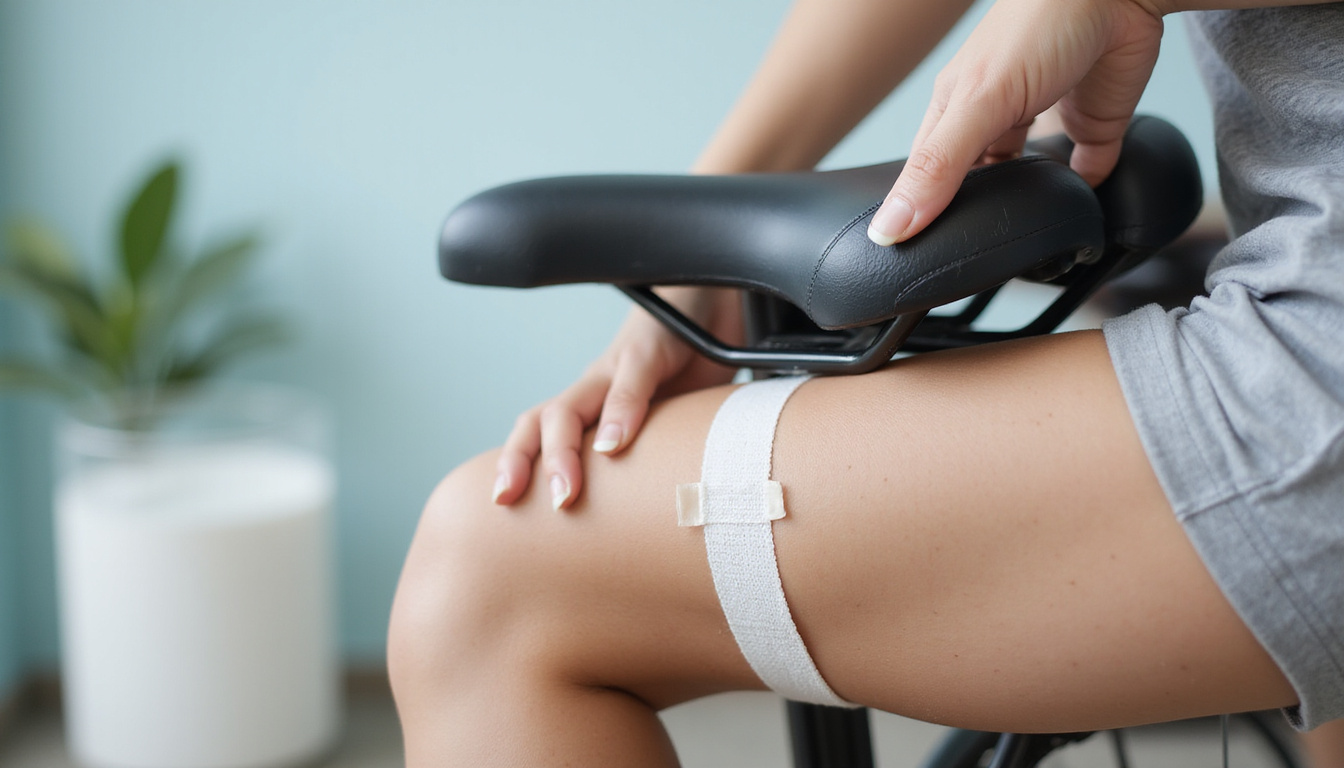
Post-ride habits that reduce irritation and infection risk
When the ride ends, saddle sore risks do not. Your post-ride routine makes a difference for tomorrow’s comfort.
Get out of your kit quickly
Do not sit in sweaty bibs.
Change out of your chamois right away
- Change out of your chamois right away
- Rinse or shower with mild soap. Do not scrub hard on irritated areas.
- Pat your skin dry as you let it breathe
This routine lowers friction, wipes away sweat and bacteria, and gives your skin a rest.
Give your skin real recovery time
If you feel hot spots or see redness:
- Keep the area clean and dry
- Avoid tight clothes that rub the same spots
- Take a short break from the saddle or choose an easier ride the next day
Pushing through worsening irritation can turn a small issue into one that disrupts your training.
Supporting joints, muscles, and soft tissue from the inside
Bike fit, gear, and hygiene protect your skin. Many cyclists forget that what happens inside matters, too.
Your riding position depends on:
- Your hip joints and nearby tissues
- Your glute, hamstring, and core muscles
- Your lower back and pelvic stabilizers
When these parts feel good, you sit evenly on the saddle, rock less side to side, and keep a solid posture.
Some riders add a daily supplement for joint and muscle health. These supplements support your training along with good nutrition, hydration, sleep, and smart training. In the U.S., supplements are regulated as food, not drugs. They are not meant to diagnose, treat, cure, or prevent disease. Still, they can be a useful part of your routine when used as directed and paired with a healthy lifestyle (source: NIH Office of Dietary Supplements).
Before you try a new supplement, talk with your healthcare provider—especially if you take medications or have health concerns.
When saddle sores need professional attention
Most chafing and mild irritation improve with rest, better hygiene, and a proper setup. But many cyclists ignore pain that should be checked.
Seek medical advice if:
- The pain is severe or worsens
- There is significant swelling or heat in the area
- You see discharge or clear skin damage
- You feel feverish or generally unwell
A healthcare professional can check your symptoms and guide you to proper care. Do not self-diagnose or treat serious skin or soft-tissue issues on your own.
Quick checklist to keep saddle sores from wrecking your season
Use this checklist as a tune-up for your body and your gear:
- Bike fit: Has anything changed (mileage, components, body weight, flexibility)? Is it time to re-check?
- Saddle choice: Does the width, shape, and firmness feel right for 2–4+ hour rides?
- Bibs: Do your shorts still support you, or are they stretched, thin, or misshapen?
- Chamois cream: Do you use it on long or high-intensity rides?
- Hygiene: Do you change out of your kit quickly and keep the area clean and dry?
- Recovery: Do you let your skin and muscles recover after hard sessions?
- Internal support: Do you support your joints, muscles, and connective tissues with good nutrition, hydration, and, if needed, a well-chosen supplement?
FAQ: saddle sores and cycling comfort
Q1: What causes saddle sores on cyclists during long rides?
A1: Saddle sores in cyclists come from pressure, friction, heat, and moisture. A poor bike fit, a bad saddle, worn-out bibs, or poor hygiene after rides can raise your risk, especially when you increase ride mileage or intensity quickly.
Q2: How can I prevent cycling chafing and saddle-area irritation?
A2: Focus on a proper bike fit, a saddle that suits your body, high-quality bibs with a good chamois, and regular use of chamois cream. Also focus on good post-ride hygiene, gradual training, and overall joint and muscle comfort.
Q3: What can cyclists use for saddle discomfort and joint support?
A3: Many cyclists use quality gear, targeted stretching and strength work, and sometimes dietary supplements that support healthy joints and muscles. These supplements are not drugs and are not meant to treat or cure conditions; they are part of a broader plan to feel better on and off the bike. Always follow the label and check with a healthcare professional if you are unsure.
A smarter way to ride: why serious cyclists look beyond the saddle
Serious cyclists know comfort is not just about padding. It is about having a body that can handle long, hard rides. Your saddle, chamois, and bike fit are crucial. So is the support inside your joints and muscles.
That is where a premium supplement like Regenerix Gold can help. Regenerix Gold supports your joints and muscles so you can keep riding. It is not a drug and is not meant to diagnose, treat, cure, or prevent any disease. But if you plan ahead like top riders, you look after your gear, your fit, and your body. You treat long-term comfort and performance as an investment rather than an afterthought.
If you want to ride on more days, stay competitive with your group, and protect your body and your wallet, consider adding Regenerix Gold to your daily routine. It fits into a broader strategy of joint and muscle support that includes smart nutrition, training, and recovery. To learn more, watch this helpful FAQ video about Regenerix Gold:
https://youtu.be/mGrH5UWFxUs?si=X9bScbG6dvejGkZf
Ride smarter, care for your body, and stop saddle sores from calling the shots on your season.
https://youtu.be/mGrH5UWFxUs?si=X9bScbG6dvejGkZf
Health Note
Always consult a licensed medical doctor for your health issues.
Special Discount
If you prefer preventive nutrition to minimize expensive knee surgery and potentially addictive pharmaceuticals, Regenerix Gold is your savvy solution.
You qualify for a special discount.
Simply use the link below and a discount will automatically be applied during checkout.
Get Regenerix Gold => HERE


