
veteran back pain: breakthrough at-home treatments that actually work
by Zestora on Dec 20, 2025

For many who served, veteran back pain feels like a stubborn “battle buddy.” It tags along long after ETS and never leaves. Heavy rucks, long marches, hard PT, heavy armor, cramped sleep in trucks or tents, and a “suck it up” mindset build up years later. Your back and joints cry out long after you hang up your gear. The good news is that you can use simple, at‑home strategies that help. You do not have to white‑knuckle it or empty your wallet to feel better.
Below is a mission‑ready guide made for service members and vets. It helps you build your at‑home plan against nagging back and joint pain.
──────────────────────────────
Why veteran back pain is different from the average “weekend warrior” ache
A civilian backache from a bad desk chair is one thing. Veteran back pain comes with extra burdens:
• Years of carrying heavy rucksacks or plate carriers
• Long hours in vehicles, aircraft, posts, or towers
• Impacts from jumps, combative training, or “motivational” PT
• Old injuries that never fully healed
Over time, this strain affects muscles, joints, and tissues. The pain can run through the low back, hips, knees, even shoulders and neck. You might notice:
• A low back that feels “tight-as-a-drum” in the morning
• Stiffness after long drives or meetings
• Soreness after yard work, car repairs, or standing watch
• Random pops and cracks when bending or twisting
These symptoms are not just signs of aging. They are the delayed toll of years in service.
──────────────────────────────
Step 1: Get your head in the game – mindset and expectations
You spent years caring for your weapon and gear. Your back needs the same care. Think of these mindset shifts:
• This is a long game, not a 3‑day field mission. Long‑term issues need steady effort.
• Pain does not prove your toughness. You have already shown strength. Letting pain lead gives it more power.
• You are not broken hardware. Your back can adapt. With careful movement and recovery, many vets regain lost strength.
Treat your at‑home care like a training cycle—planned, steady, and trackable.
──────────────────────────────
Step 2: Daily mobility drills tailored for veteran backs
You do not need a gym or fancy equipment. Five to ten minutes twice a day can help your back. Think of it as “PT for your spine.”
Always move slowly and stay in your comfort zone. If any move hurts, slow down and talk to a healthcare professional.
Morning “stand-to” routine (5–7 minutes)
-
Cat–Camel (spinal wake-up)
• Get on hands and knees.
• Slowly arch your back upward and then let it drop.
• Do 10–12 slow reps. Inhale on one move and exhale on the return. -
Hip Flexor Stretch (undo the chair/vehicle time)
• Kneel on one knee with the other foot on the ground.
• Gently push your hips forward until you feel a stretch in the front of the hip.
• Hold for 20–30 seconds on each side. Do 2 rounds. -
Child’s Pose to Thread-the-Needle (upper and mid‑back)
• Start in child’s pose.
• Slide one arm underneath the other to twist your upper body.
• Hold for 10–15 seconds. Do 3 reps on each side.
Evening “stand‑down” routine (5–10 minutes)
-
Glute Bridge (turn on the rear “armor”)
• Lie on your back. Bend your knees and plant your feet on the floor.
• Squeeze your glutes and lift your hips until your shoulders, hips, and knees align in a straight line.
• Do 8–12 controlled reps for 2–3 sets. -
Figure‑4 Stretch (piriformis and hip)
• Lie on your back and cross one ankle over the opposite knee.
• Gently pull the uncrossed leg toward your chest until you feel a stretch in the hip.
• Hold for 20–30 seconds on each side. Do 2–3 rounds. -
Supine Trunk Rotations (gentle rotation)
• Lie on your back with your arms spread and knees bent.
• Slowly drop your knees to one side and then to the other.
• Do 10–15 slow reps.
These moves target your hips, glutes, and core—areas that often tire from years of carrying gear and spending long hours in fixed positions.
──────────────────────────────
Step 3: Smart at‑home strength work – building armor for your spine
Strong supporting muscles ease the load on your spine. You do not have to train like you are headed for Ranger School. Just follow a steady strength routine.
Aim for 2–3 days per week with a break in between. Use these exercises:
• Bodyweight squats or box squats using a chair
• Wall sits to build leg and hip endurance
• Bird‑dog from a hands‑and‑knees position (extend opposite arm and leg) for core strength
• Dead bug while lying on your back, using slow limb moves for deep core muscles
• Light resistance band rows for better posture and upper back support
Keep your tasks in the 8–15 rep range. Focus on slow, controlled motion. Think of it as maintenance of your chassis, not a contest with your younger self.
──────────────────────────────
Step 4: At‑home pain management tools that actually help
There are many gimmicks online, but some simple tools work well:
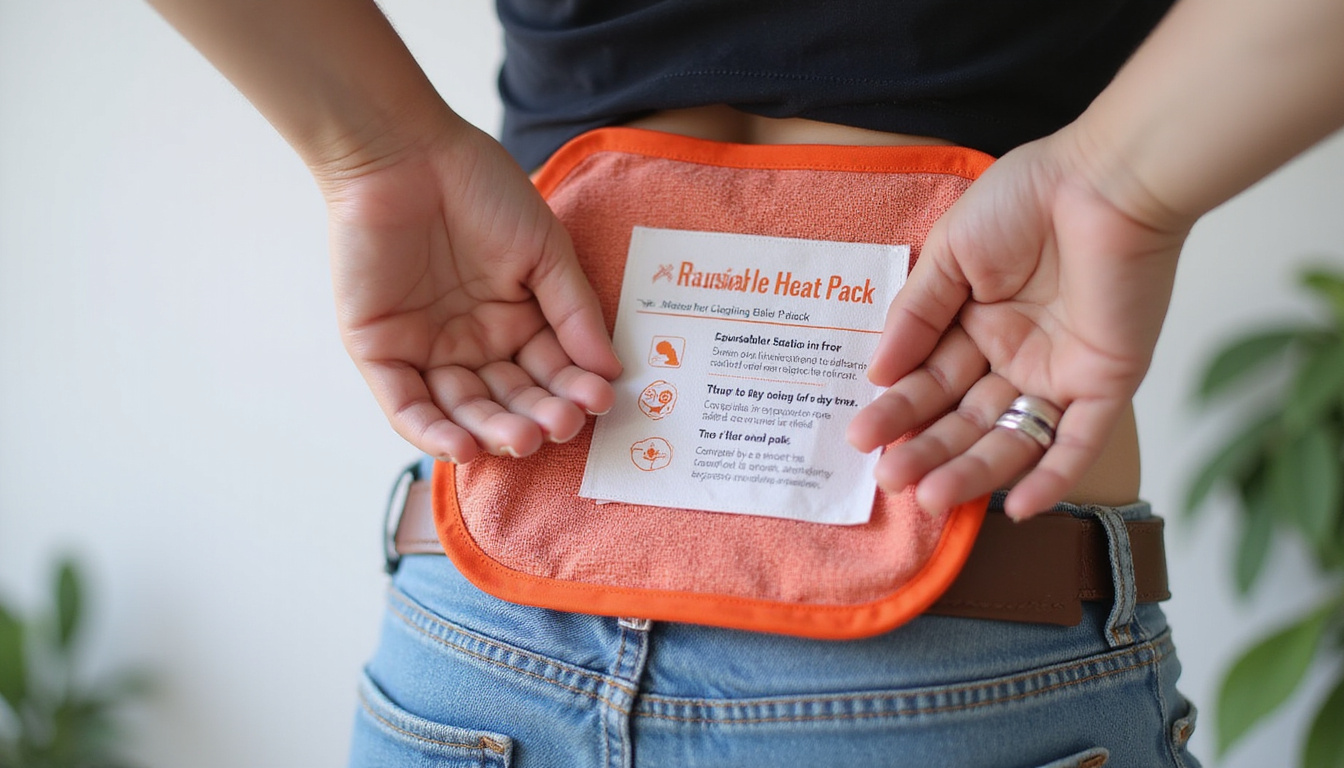
• Heat therapy: Use a heating pad or warm shower before your movements to relax stiff muscles.
• Cold packs: Apply cold after heavy work or a flare‑up to slow inflammation.
• Massage balls or foam rollers: Gently roll on your glutes, upper back, and thighs to ease tension. Avoid hard pressure on the low spine.
• Posture “check‑ins”: Every hour, stand up, take a short walk, and reset your posture. Think “chest up, ribs down, and core lightly braced.”
These tools work best when combined with movement, strength work, and mindful recovery.
──────────────────────────────
Step 5: Sleep setup – your rack could be sabotaging your back
Many vets do not see how the sleep setup affects veteran back pain:
• Mattress: If your mattress is very old, consider replacing it. Most backs need a medium‑firm support.
• Pillow height: Too high or too flat a pillow strains the neck and upper back. Your neck should rest in a neutral position.
• Sleep position:
– Side sleepers: Place a pillow between the knees to keep the hips aligned.
– Back sleepers: A small pillow under the knees helps reduce strain on the low back.
Quality sleep lets your body repair itself. Make your sleep space a benefit, not an enemy.
──────────────────────────────
Step 6: The role of nutrition and supplements – supporting a healthy musculoskeletal system
After years of MREs and DFAC food, your body now needs better fuel. Eat to support healthy muscles, joints, and tissues:
• Drink plenty of water. Dehydration tightens tissues.
• Focus on whole foods. Lean proteins, fruits, vegetables, healthy fats, and whole grains help repair and strengthen.
• Maintain a healthy weight. Extra pounds add strain to your back and joints.
Where supplements like Regenerix Gold can fit in
Food is the top priority. Yet some vets add a joint and muscle health supplement to support their daily routine. Products such as Regenerix Gold help support:
• Overall joint comfort
• Healthy cartilage and connective tissues
• Muscle function and resilience
Remember, supplements are not drugs. They do not diagnose, treat, cure, or prevent any disease. They support a routine that also includes movement, strength work, recovery, and good nutrition.
If you wish to try a supplement:
• Check the ingredient list and quality standards
• Talk with your healthcare provider or VA clinician—especially if you take other medications or have health issues
• Follow the label and use them consistently along with your other care steps
For more on musculoskeletal health, you can visit the U.S. National Center for Complementary and Integrative Health at
https://www.nccih.nih.gov/
──────────────────────────────
Step 7: When to get eyes on target – knowing when to seek professional help
At‑home care is strong, but it does not replace professional medical care when needed. Reach out to a healthcare provider or your VA if:
• Your back pain is very severe or worsens steadily
• You feel new weakness, numbness, or changes in bladder/bowel control
• The pain follows a fall, accident, or heavy lift
• Your symptoms stop you from working, driving, or doing daily tasks
Think of your at‑home routine as the first line of defense. Professionals are the backup support if things escalate.
──────────────────────────────
Sample “Operation: Strong Back” weekly game plan
Here is a way to blend these steps:
• Daily (AM & PM):
– 5–10 minutes of your mobility routine
– Short posture checks throughout the day
• 2–3 days per week:
– 15–20 minutes of strength work (squats, bridges, bird‑dogs, rows)
• As needed:
– Use heat before exercise and cold after heavy days
– Gently foam roll your hips and upper back
• Daily lifestyle:
– Stay hydrated and eat balanced meals
– Keep a steady sleep schedule and check your mattress/pillow
– Talk with your provider before starting any joint and muscle supplement like Regenerix Gold
It is not about perfection. It is about small, steady wins.
──────────────────────────────
FAQ: Common Questions about Veteran Back Pain and Home Treatments
1. What helps veteran back pain the most at home?
Most vets find relief with a mix of steady mobility work, light strength training, good posture, and proper sleep. Heat, cold, and self‑massage tools also ease flare‑ups. Some add a joint and muscle health supplement after speaking with a healthcare professional.
2. Can veteran lower back pain improve without surgery?
Yes. Many veterans see improvements with non‑surgical care. Try targeted exercises, weight management, work‑and‑home adjustments, and regular self‑care. Surgery may be needed sometimes, but only after careful trials of simple methods.
3. Are supplements useful for veterans with chronic back and joint issues?
Supplements can support joint and muscle health. They should not replace medical care or healthy habits. A product like Regenerix Gold may support joint comfort and muscle function as part of your overall plan. Always review such products with your healthcare provider, especially if you use the VA or take other medications.
──────────────────────────────
Why Regenerix Gold Makes Sense for Veterans Who Refuse to “Fall Out”
You know that gear must be maintained. Your body works the same way. With rising medical costs and the need to stay active, letting veteran back pain control your life can hurt your wallet, pride, and freedom.
A disciplined, at‑home approach can greatly help. When you add your mobility work, strength routines, and good recovery habits, Regenerix Gold may be a smart part of your daily kit. It supports your joints and muscles so you can keep your mission‑ready status for work, family, and life.
You spent years following others’ orders. Now you choose your own path. Build your own “Operation: Strong Back.” Take charge of your body, and consider Regenerix Gold as part of your routine if you are serious about staying in the fight.
Regenerix Gold
Health Note
Always consult a licensed medical doctor for your health issues.
Special Discount
If you prefer preventive nutrition to minimize expensive knee surgery and potentially addictive pharmaceuticals, Regenerix Gold is your savvy solution.
You qualify for a special discount.
Simply use the link below and a discount will automatically be applied during checkout.
Get Regenerix Gold => HERE


