

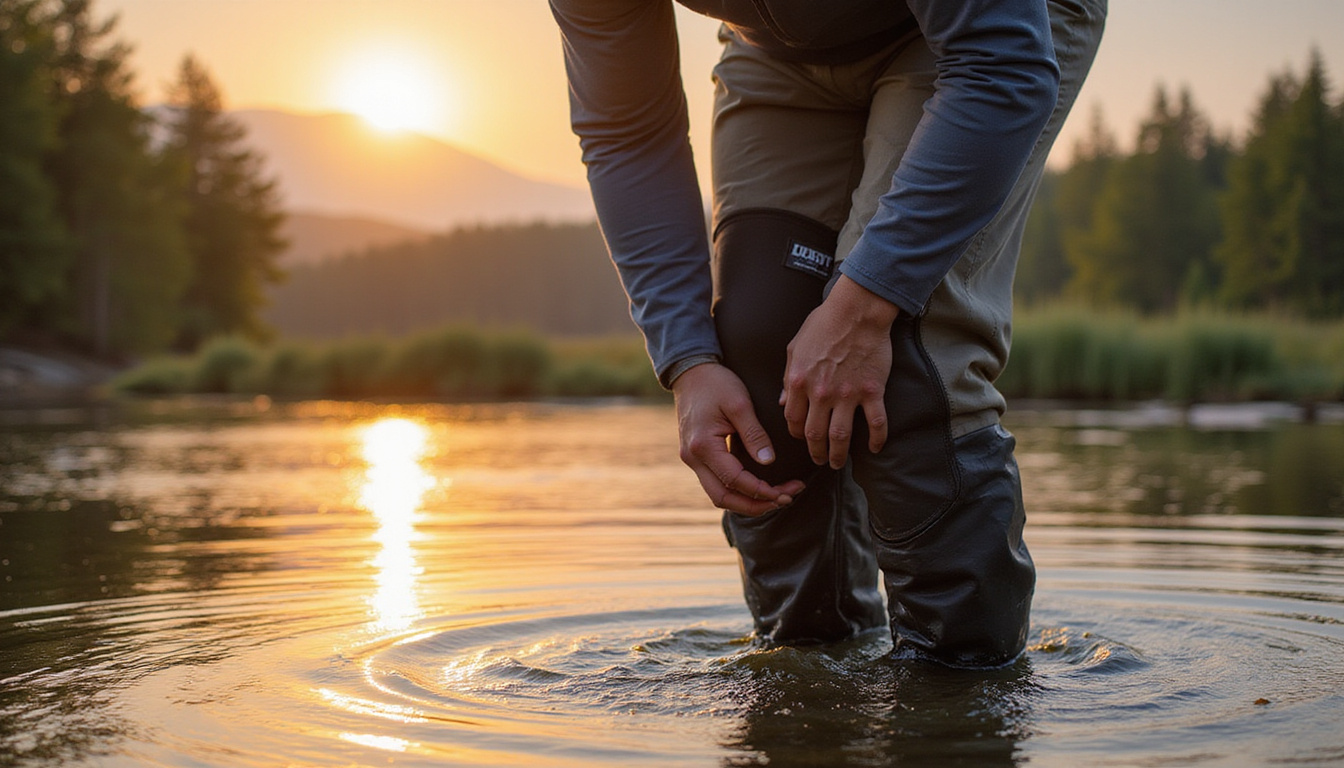
Long days on water lead to long nights with aching knees. If you return to the truck after a tide change and feel that your joints are older than your boat, you are not alone. “Wader knee” is a term that serious Fishermen & Anglers in America use. We live in breathable waders, crouch on jetty rocks, and brace our legs against the gunwale all weekend.
This is not just a little soreness. When wader knee flares, each step to the next hole and every climb down the riprap becomes a chore. There are smart fixes that many anglers trust. These fixes support healthy knees and muscles so you may stay on the bite longer and feel better.
What Exactly Is “Wader Knee” to an Angler?
Wader knee is not a medical diagnosis. Instead, anglers use the term for the nagging discomfort, stiffness, or ache in the knees after long hours:
- Standing in a current with chest waders
- Kneeling on gravel or rocky banks
- Bracing against waves on a pitching deck
- Squatting in a jon boat or kayak to grab tackle or net a fish
Cold water, heavy gear, slippery footing, and repetitive motions place extra stress on your knees, hips, and lower back. Over time, the muscles and joints that power your casts, wades, and net jobs start to send signals.
Many serious Fishermen & Anglers shrug this off as part of the grind. However, an unmanaged wader knee can:
- Make long walks to the honey hole miserable
- Stop you from fishing the tide or hours you really want
- Sap your confidence on sketchy banks, jetties, or boat ramps
When your knees seem to control you instead of your tide chart, it is time for a smarter approach.
Why Wader Knee Hits Anglers So Hard
Fishing is not light activity when you fish like a hardcore angler. Consider what your knees face on a typical trip:
1. Cold Water and Stiff Joints
Even with good waders and boots, cold water takes heat from your legs. Cooler muscles and joints feel stiff and less forgiving after hours of near motionless standing.
2. Awkward Fishing Postures
Anglers live in postures that stress the knees:
- Half-squatting while sight-fishing from the bow
- Kneeling in tight kayaks when unhooking fish
- Bracing in a bent stance when working with plugs or jigs
- Traversing steep banks or rock walls
These are not ergonomic positions. They load the same areas, trip after trip.
3. Heavy, Unbalanced Loads
Waders loaded with layers, belts, sling packs, vests, nets, and sometimes livewell gear, load you like a pack mule. Add a slippery trail or soft sand and your knees must adjust continuously.
4. The Weekend-Warrior Pattern
Many American anglers sit most days at a desk or in a truck. Then, on Saturday, they launch into all-day fishing marathons. Deconditioned muscles and sudden long fishing days create a perfect storm for wader knee.
Gear Fixes Anglers Swear By for Wader Knee
The right gear tweaks can change how your knees feel by the day’s end.
Upgrade Your Wading Boots and Insoles
Flat, unsupportive boots force your knees to work too hard for balance.
Look for:
- Stiffer soles with good arch support to keep your legs aligned
- Cushioned, shock-absorbing insoles to reduce pounding on rocks and decks
- Proper lacing and ankle support so your knees do not compensate for weak ankles
Many anglers say that switching to quality, orthopedic insoles is one of the easiest and most effective fixes for wader knee.
Add Knee Protection and Cushion
If you kneel to land fish, tie knots, or grab gear, then:
- Use soft knee pads under your waders
- Or choose waders with built-in knee reinforcement and padding
A thin layer of neoprene or breathable fabric does little over gravel. A bit of padding helps to reduce sharp pressure points that add up with time.
Dial in Wader Fit and Layering
Waders that are too tight at the knees or too loose at the ankles cause problems:
- Too tight restricts movement and forces awkward angles
- Too loose bunches behind the knees and can catch on obstacles
Adjust your underlayers to let your knees bend fully and straighten without resistance, while stopping any sliding inside the fabric.
Movement and Technique Changes That Protect Your Knees
You do not need to fish softly to fish smart. A few movement tweaks protect your knees and may improve your fishing game.
Warm Up Like You Mean It
Many anglers go from launch to cast without warming up. Two to three minutes of movement can change the game.
Before you wade or board the boat, do:
- Easy leg swings forwards, backwards, and sideways
- Gentle bodyweight squats or sit-to-stands from the tailgate
- Calf raises on a step or rock
You would not start a cold outboard at full throttle. Treat your joints with the same respect.
Mind Your Casting Stance
When fan-casting or making long casts, keep these in mind:
- Distribute your weight evenly between both legs
- Do not twist only at the knee; rotate from the hips and torso
- Do not lock the knees; keep a slight bend for shock absorption
This keeps your power and reduces torques that irritate tired joints.
Walk and Wade with Intent
In a river or surf, do this:
- Take short, deliberate steps instead of lunging
- Find stable spots with your boot before putting weight on them
- Use a wading staff as a third point of contact on a tricky bottom
On banks and jetties:
- Face downhill when stepping down surfaces
- Use your hands on rocks or rails to share your weight
- Avoid jumping from ledges; step carefully or find a gentler route
The fish do not mind if you move slowly; your knees do.
Strength and Flexibility: The Real Long-Term Fix for Wader Knee
Gear and technique help, but your body is your best tool. Strong, flexible muscles around the knees and hips work like built-in shock absorbers.
Target the Angler’s Power Chain
The muscles that help most for wader knee are:
- Quadriceps (front of the thigh)
- Hamstrings (back of the thigh)
- Glutes (buttocks)
- Calves
- Core (abs and lower back)
Stronger muscles take load off the joints when you wade, climb, or stand on moving decks.
Simple Land-Based Workouts (No Gym Required)
Even two to three short sessions each week help. Try these:
- Bodyweight or box squats
- Step-ups onto a cooler or sturdy box
- Glute bridges on the floor
- Calf raises on a step
- Planks or side planks for core strength
Start slowly, focus on control, and avoid any movement that feels wrong. Building strength gradually pays off each time you pull on your waders.
Do Not Skip Flexibility and Recovery
- Do gentle hamstring and quad stretches after a trip
- Do light stretches for the hip flexors and calves
- Use foam rolling on your thighs and calves if you can
These moves help your muscles recover between trips so they are ready for the next tide or offshore run.
Nutritional Support: What Many Anglers Add to Their Kit
Just as you upgrade from bargain-bin line to premium braid, many anglers look beyond ice packs and over-the-counter options. They then consider nutritional support for joints and muscles.
Food is your foundation—lean proteins, healthy fats, and plenty of fruits and vegetables. Still, some fishermen choose to take dietary supplements that support joint and muscle health.
This is where Regenerix Gold often enters the discussion among serious Fishermen & Anglers.
Regenerix Gold
How Regenerix Gold Fits into a Wader Knee Strategy
Regenerix Gold is a dietary supplement. It is designed to support healthy joint function and comfortable movement. It also aims to help normal muscle performance.
For anglers who battle wader knee—those with stiffness after a long tide, achy knees after a weekend on the skiff, or overall musculoskeletal discomfort—it plays a part in a smarter plan. This plan includes gear, technique, and exercise.
Within American supplement guidelines:
- Regenerix Gold does not treat, cure, or prevent any disease or medical condition.
- It supports overall joint and muscle health as part of a balanced lifestyle.
Many anglers choose this proactive support rather than waiting for discomfort to limit trips or force early days off the water.
As always, if you have health concerns, are on medications, or wonder if a supplement is right for you, speak with a healthcare professional before you start any new product (source: National Institutes of Health Office of Dietary Supplements, https://ods.od.nih.gov).
Practical On-the-Water Routine to Help with Wader Knee
Here is a simple checklist for every trip:
-
Before Leaving Home
- Do a quick 3–5 minute leg and core warm-up
- Pack knee pads or check that your waders have built-in knee padding
- Ensure your boots, insoles, and socks fit well
-
At the Launch or Trailhead
- Do a few leg swings, squats, and calf raises
- Check your wader belt and straps so nothing pinches behind the knees
- Pick routes that avoid unnecessary jumps and scrambles
-
On the Water
- Change your stance or leg position every 15–20 minutes
- Use a wading staff or rail for support on uneven ground
- Take short walking breaks instead of standing in one spot
-
After the Trip
- Stretch your quads, hamstrings, calves, and hips gently
- Hydrate and refuel with protein and healthy carbs
- Follow your joint and muscle support routine (this may include a supplement like Regenerix Gold if it suits you)
Small habits like these can lead to more comfort and more days fishing at your best.
FAQ: Common Angler Questions About Wader Knee
Q1: How do I stop wader knee from flaring after long weekends of fishing?
A: Use several strategies. Choose supportive wading boots and insoles. Add knee padding. Warm up before you fish. Avoid locking your knees when casting. Build leg and core strength off the water. Some anglers also use a joint-support supplement after discussing it with their healthcare professional.
Q2: Are there specific stretches for wader knee pain after a tide?
A: Yes. Many anglers prefer gentle stretches for the quads (pulling the heel toward the glutes using a rail), the hamstrings (bending forward with a straight back), the calves (leaning into a wall or truck), and the hips. Move slowly, avoid bouncing, and stay in a comfortable range. If any stretch hurts, skip it and ask a professional for advice.
Q3: Can a joint supplement really help with wader knee discomfort?
A: Dietary supplements support joint and muscle health. They do not diagnose, treat, cure, or prevent any condition. Many anglers feel better when they combine a carefully chosen supplement like Regenerix Gold with smart gear, proper movement habits, and regular exercise. Because every body is different, talk with a healthcare provider to decide what is best for you.
Fish Smarter, Hurt Less: Why Regenerix Gold Appeals to Serious Anglers
If you know the difference between a good tide and a great one, you appreciate planning ahead. Wader knee and other aches can slowly reduce your fishing time, energy, and even your work ability. This is especially true when medical care is costly and missing work hurts your wallet.
Regenerix Gold is made for Fishermen & Anglers who want to stay on the water and on the job. It supports joint and muscle health, allowing you to wade farther, cast longer, and handle fishing with confidence. Instead of waiting until discomfort forces you to cut trips short or try expensive treatments later, you can choose a proactive path. This path matches the way you read tides, study forecasts, and select gear.
For anglers who plan ahead and protect both their bodies and their wallets, Regenerix Gold offers a smart, supplement-based approach. It supports healthy joints and muscles so you can live an active life on and off the water.
Health Note
Always consult a licensed medical doctor for your health issues.
Special Discount
If you prefer preventive nutrition to minimize expensive knee surgery and potentially addictive pharmaceuticals, Regenerix Gold is your savvy solution.
You qualify for a special discount.
Simply use the link below and a discount will automatically be applied during checkout.
Get Regenerix Gold => HERE

