
Yoga for elbow pain: Gentle stretches to relieve tendonitis and stiffness
by Zestora on Jan 01, 2026

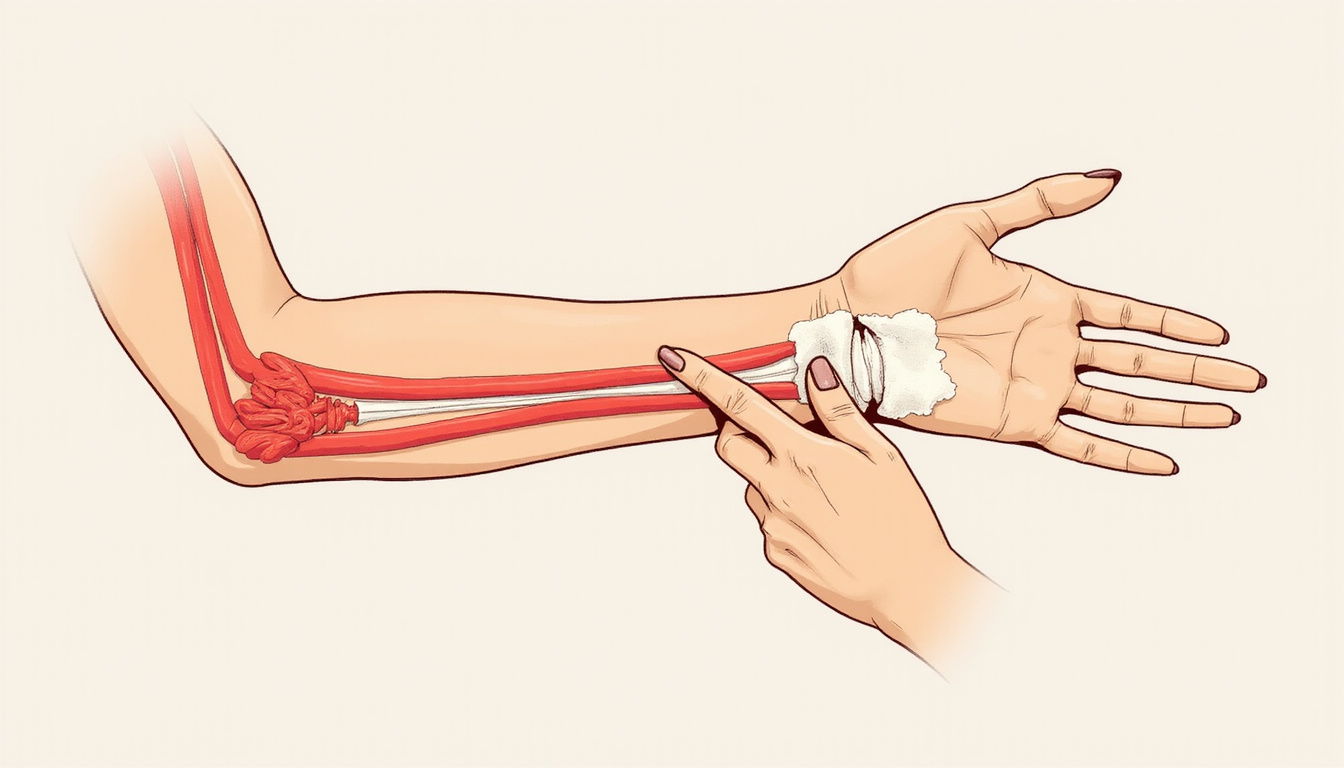
Yoga for elbow pain helps many practitioners. They search online after a busy week of vinyasa sequences or long arm-balance streaks. When crow pose, chaturanga, or plank hurts your elbows, you are not the only one. Many Americans spend hours at their desks and then hit the mat. Sitting long and repetitive loading create tech-neck, tight shoulders, and strain. This mix can lead to elbow tendon irritation, stiffness, and discomfort.
This guide speaks directly to yoga practitioners. You want to stay on the mat, progress slowly, and care for your joints. You do not want to push into pain or miss early warning signs.
Why yoga practitioners develop elbow pain
Elbows work in a chain. They link with wrists, shoulders, and the core. When one link suffers, the elbow suffers too.
Here are key causes of elbow pain:
-
Overuse in weight-bearing poses
You repeat chaturangas, hold plank poses, and balance on your arms. This overloads the tendons around the elbow. Multiple flows per week only add to the load. -
Locked elbows in standing and arm-balancing poses
You may hyperextend your elbow or let it hang without muscle support. Such habits strain the connective tissues. -
Weak or underused stabilizers
If the scapular muscles, rotator cuff, or deep core are weak, the elbows and wrists bear extra load. -
Poor alignment and hand placement
Allowing your hands to go too wide or narrow can drive force directly into the elbow. Fingers that do not root fully add to the strain. -
Off-the-mat stressors
Hours spent typing, texting, or gaming can irritate your tissues. Then intense yoga makes it worse.
Elbow pain does not stem from a single pose. Overall habits, strength, and recovery matter most.
Safety first: How to approach yoga for elbow pain
Before you stretch, take a safety-first approach:
-
No sharp or shooting pain
A gentle stretch is fine. If you feel sharp, electric, or worsening pain, slow down and seek a health professional. -
Respect your current edge
Work at 60–70% of your perceived limit. This level is friendly to your nervous system and aids recovery. -
Think whole-chain, not just the elbow
Stretch and strengthen your wrists, forearms, shoulders, and upper back. The elbow is a messenger for the rest of the chain.
If your pain feels intense or lasts long, talk with a clinician. A physical therapist can tell if there is a deeper concern before you change your yoga practice (source: American Physical Therapy Association).
Foundational principles: Pain-aware alignment on the mat
Use these cues as you practice:
-
Micro-bend, don’t lock
In poses with straight arms (like plank, down dog, or standing balances), keep a small bend in the elbows. Use active muscles instead of letting the joint hang. -
External rotation of the upper arm
In weight-bearing poses, wrap your biceps forward and let the triceps go back. This method helps align your elbow and shoulder. -
Spread and root the fingers
Press through your full hand. Use the knuckles of your index and middle fingers and lift your thumb’s mound. This spread distributes load evenly. -
Use props unapologetically
Blocks, straps, bolsters, or a wall can help you. They are not a downgrade but an aid to your practice. -
Slow down vinyasa
Cut back on chaturangas. Focus on quality rather than quantity. Replace with safer alternatives such as knees-down plank, sphinx, or low cobra.
Gentle stretches for elbow pain and forearm stiffness
These stretches suit yoga practitioners. Move slowly. Breathe evenly. Hold each stretch for 5–10 breaths and repeat 2–3 times per side unless noted.
1. Wrist and forearm decompression (seated)
Sit with a tall spine. Extend your right arm forward, palm down. Use your left hand to pull your right fingers gently. This action stretches the top of the forearm. Keep your elbow soft. Then, reverse.
Extend your right arm with the palm up. Gently pull your fingers down and back. This stretch hits the underside of the forearm. Switch sides.
Focus on lengthening the muscles that cross the elbow to ease tension.
2. Supported “tabletop” wrist stretch at the wall
Stand facing a wall. Place your palms on it at shoulder height with fingers down. Step your feet back so you lean gently. Keep a micro-bend in the elbows. Breathe into the stretch along your forearms. Hold then back off slowly.
This stretch mimics a lighter version of weight-bearing on the hands.
3. Thread-the-needle variation for triceps and lateral elbow
Start on all fours (tabletop) with padding under your knees. Place your right hand behind your head. Let your elbow point out to the side. Inhale and rotate your chest as you let the right elbow rise toward the ceiling. Exhale and ease your elbow toward your left wrist. Move slowly 5–8 times, then switch sides.
For a deeper stretch, after a few rounds, keep the elbow bent. Gently guide it closer to the midline behind your head without forcing it.
4. Seated strap-assisted triceps stretch
Sit in a comfortable pose or on a block. Hold a yoga strap or belt in your right hand and lift that arm overhead. Bend the right elbow so the strap falls behind your back. Reach your left hand over to grab the other end. Walk your hands together to stretch your triceps and shoulder. Keep your ribs steady and neck relaxed.
If your hands do not reach, do not worry—the strap keeps the move friendly.
5. Eagle arms for upper back and outer elbow relief
Sit tall or stand in mountain pose. Extend your arms forward at shoulder height. Cross your right arm over your left at the elbows. Bend your elbows and try to join the backs of your hands or palms. Lift your elbows slightly while drawing your shoulders down.
You may feel this stretch on your outer elbow, upper back, and shoulder blades. These areas work to help when your elbows feel strained.
6. Gentle “reverse plank prep” at the edge of a chair
Sit near the front edge of a sturdy chair. Place your hands beside your hips. Let your fingers face forward or slightly out. Walk your feet forward a bit. Gently press into your hands. Lift your chest and draw your shoulder blades back and down. Keep a soft bend in the elbows. Avoid locking or hanging in the joint.
This stretch opens your chest and shoulders while lightly using your triceps without full reverse plank intensity.
Modifying common yoga poses for elbow comfort
You can adjust your practice to protect your elbows. Smart tweaks let you flow while building resilience.
Plank and chaturanga
Reduce the load by dropping your knees in plank. Lower yourself from a knees-down plank instead of dipping into the elbows. Replace some chaturangas with:
- Sphinx pose
- Low cobra
- Child’s pose (to rest between vinyasas)
Downward-facing dog
Make your dog pose shorter. Walk your feet slightly closer to your hands. Micro-bend your elbows and let the shoulders soften away from the ears. For sensitive wrists and elbows, try blocks or a half-dog at the wall. In half-dog, position your hands on the wall at hip height.
Arm balances and inversions
During active elbow irritation, pause handstand and forearm stand work. Substitute with:
- Dolphin at the wall instead of full pincha.
- Supported bridge or legs-up-the-wall instead of headstand or shoulderstand.
- Side-lying or supine core work (like dead bug or supine twists) instead of arm-heavy balances.
Strengthening for sustainable elbow health in yoga
Stretching alone will not protect the elbow. You need strength and stability too. Once pain eases, add light strengthening for surrounding muscles.
Simple strengthening ideas
- Isometric “fist hug”
Sit or stand tall. Make gentle fists. Try to flex and extend your wrists without actual movement. Hold for 5–10 seconds. Rest and repeat 5–8 times.
- Wall push-ups with micro-bend
Stand facing a wall. Place your hands at chest height with straight arms. Step back into a diagonal plank. Bend your elbows slightly and lower your chest toward the wall. Exhale and press away from the wall. Begin with 5–8 reps as long as your elbows feel comfortable.
- Scapular push-ups (hands and knees)
Start in tabletop. Keep your elbows almost straight with a small bend. Without bending the elbows, let your chest sink between your shoulder blades. Then push the floor away while widening the shoulder blades. Repeat 8–12 times.
Over time, these moves build a resilient foundation. They help prevent your elbows from carrying too much load.
Lifestyle and recovery tips for yoga practitioners
Supporting your elbows goes beyond the mat:
- Alternate days of intense upper-body practice with gentler sequences.
- Use heat or cold on sore areas when advised by a professional.
- Prioritize sleep and nutrition. Connective tissues need recovery.
- Consider joint-supportive supplements that fit your wellness plan.
Remember: supplements do not cure or diagnose disease. If you are pregnant, nursing, taking medications, or have medical conditions, check with your healthcare provider first.
Where a supplement like Regenerix Gold may fit in
Many Americans want to keep their joints and muscles healthy for long-term life. They value staying active and keeping healthcare costs low.
A premium support formula like Regenerix Gold can join your yoga routine if you:
- Load your wrists, elbows, and shoulders in practice.
- Spend long hours at a desk and use yoga to ease tension.
- Wish to prevent wear-and-tear by supporting tissue health.
Regenerix Gold is a dietary supplement. It is not a medicine. It does not replace medical care or promise specific outcomes. Use it along with a mindful practice, proper alignment, and recovery. It is one tool in your self-care kit.
Regenerix Gold
FAQ: Yoga for elbow pain and related questions
1. Is yoga good for elbow tendon discomfort?
Yes. Gentle yoga with careful alignment helps. Focus on low-load stretches and mindful strengthening. Avoid weight-bearing poses or deep bends when in pain. Consult a professional if pain continues.
2. Which yoga poses should I avoid for elbow pain relief?
This depends on you. Many avoid several chaturangas, long plank holds, arm balances, and handstand variations if they hurt the elbow. Replace these with supported backbends, gentle shoulder openers, and restorative postures.
3. Can yoga help prevent future elbow stiffness?
Yes. A thoughtful routine of forearm stretches, shoulder mobility work, scapular stability exercises, and core engagement balances loads. Over time, this routine can lower the risk of stiffness and strain.
Step into a more resilient practice with Regenerix Gold
If you tweak your alignment and invest in quality mats, you know joint health matters. It helps you work, teach, travel, and show up confidently on and off the mat. Smart practitioners plan for long-term care. They protect their body before pain sidelines them.
By combining a pain-aware yoga routine with healthy lifestyle choices and a supplement like Regenerix Gold, you are not just coping. You are protecting your body and livelihood. Healthcare costs and time off work are high. Staying ahead of joint wear is a smart, almost “insider” move.
If your practice is a lifelong journey, consider adding Regenerix Gold to your daily routine. Keep it on your shelf alongside your mat, breathwork, and post-practice tea. This choice helps you keep flowing, teaching, working, and living at your best for years to come.
Health Note
Always consult a licensed medical doctor for your health issues.
Special Discount
If you prefer preventive nutrition to minimize expensive knee surgery and potentially addictive pharmaceuticals, Regenerix Gold is your savvy solution.
You qualify for a special discount.
Simply use the link below and a discount will automatically be applied during checkout.
Get Regenerix Gold => HERE


