
anglers elbow: proven relief, rehab exercises, and prevention strategies
by Zestora on Dec 14, 2025

If you work from dawn to dusk hauling a rod, setting a hook, or pitching flies off a skiff, you feel a nagging ache around your elbow.
Anglers elbow is the term many salt- and freshwater anglers use when the outside or inside of the elbow locks up after long hours of casting, jigging, or hauling gear.
This guide helps American fishermen and anglers with boat-tested relief, rehab exercises you can do between sets, and prevention strategies that keep you on the water instead of on the couch.
Why anglers elbow happens (in angler language)
Casting, cranking, and repetitive baitcasting use the same motion time after time.
The tendons around your elbow bear the load—especially after a long day fighting a heavy bass or slow-trolling with heavy spoons.
Overuse, poor reel-hand positioning, a stiff shoulder or wrist, and sudden big pulls ("fish on!") can add up to forearm and elbow pain that feels like a hot line on a cold morning.
Recognize the signs before you lose the day
If you feel any of these after a trip, you may have anglers elbow:
- Tenderness just below the bony knob on the outside or inside of your elbow.
- Pain when you backcast, flip a heavy crankbait, or lift a filled bait bucket.
- Weakness when you try to turn a jar, tighten a drag, or give a firm net-hand.
Quick onboard relief — what you can do between sets
You do not need a medic or a travel clinic to ease flare-ups on the water.
Try these steps immediately:
- Stop the hurtful activity and switch hands or adjust your technique if you can.
- Ice your elbow by placing it in a compress or an ice pack for 10–15 minutes if one is in your cooler.
- Buddy-tape a soft wrist brace or use a forearm strap. This action takes pressure off the tendon while you fish.
- Use over-the-counter pain relievers as the label directs if needed and appropriate.
Rehab exercises you can do on the dock or deck
Rehab does not need fancy gear—just a little time between bites.
Do these moves daily to build endurance in your forearm and shoulder:
- Wrist extensor stretch
- Extend your affected arm with the palm facing down.
- With your other hand, gently pull the fingers and wrist up toward you until you feel a stretch on the outside of your forearm.
Hold for 20–30 seconds and repeat 3 times.
- Wrist flexor stretch
- Keep the same arm position but turn the palm up.
- Gently pull the fingers back to stretch the inside of your forearm.
Hold for 20–30 seconds and repeat 3 times.
- Eccentric wrist lowering (with a small weight or heavy lure)
- Sit or stand with your forearm supported and the palm facing down.
- Slowly lower the lure from wrist height to below over 4–6 seconds.
- Use your other hand to raise it back to the start.
Do 3 sets of 15 repetitions.
- Supination/pronation with a rod or small hammer
- Hold a light rod, slowly rotate your hand from palm-up to palm-down.
Do 3 sets of 15 repetitions in each direction.
- Shoulder blade pinches
- Pinch your shoulder blades together as if you brace to haul a fish over the gunnel.
Hold for 5 seconds and repeat 10–15 times to support your casting technique.
Progress these exercises gradually.
If you feel a sharp pain, reduce the intensity and consult a professional.
Prevention strategies for the long haul
Preventing anglers elbow means using proper technique, the right equipment, and smart recovery.
It is like maintaining your boat rigging—small adjustments now can save you costly downtime later.
Top prevention steps:
- Check your grip: Use a slightly looser grip. Squeezing hard all day strains your forearm.
- Switch casts and hands when possible: Alternate between overhead casts, sidearm casts, and backcasts to vary the load.
- Upgrade your tackle thoughtfully: Lighter rods, balanced reels, and ergonomic handles lessen strain during long sessions.
- Warm up before you fish: Spend 5–10 minutes doing arm swings, shoulder circles, and wrist rolls to get your blood flowing.
- Build rest into your trip: Plan short breaks; lay your rod down, tie a new leader, or swap duties with a deckhand.
- Strengthen supporting muscles: A stronger rotator cuff and core stability mean your elbow works less when hauling in bigger fish.
Simple checklist for boat-ready prevention:
- Warm up for 5–10 minutes before fishing.
- Alternate hands and cast styles frequently.
- Use a forearm strap during long sets.
- Keep your reels tuned and your drag smooth to avoid sudden jerks.
- Do your rehab exercises daily when you are off the water.
When to see a pro
If pain hangs on despite rest and on-deck care—if you cannot hold a rod, if your grip fails on a big hook-set, or if swelling and pain at night do not ease—make an appointment with an orthopedist or physical therapist who knows anglers.
There is no shame in asking for help; it is like calling a marine mechanic when your motor starts to cough.
Evidence-based perspective
Overuse tendon problems around the elbow improve with targeted strengthening and progressive loading.
Rehabilitation programs that include eccentric exercises and load management are often recommended.
Following structured rehab and using preventive measures lowers the odds of setbacks and helps you return to chasing the first light.
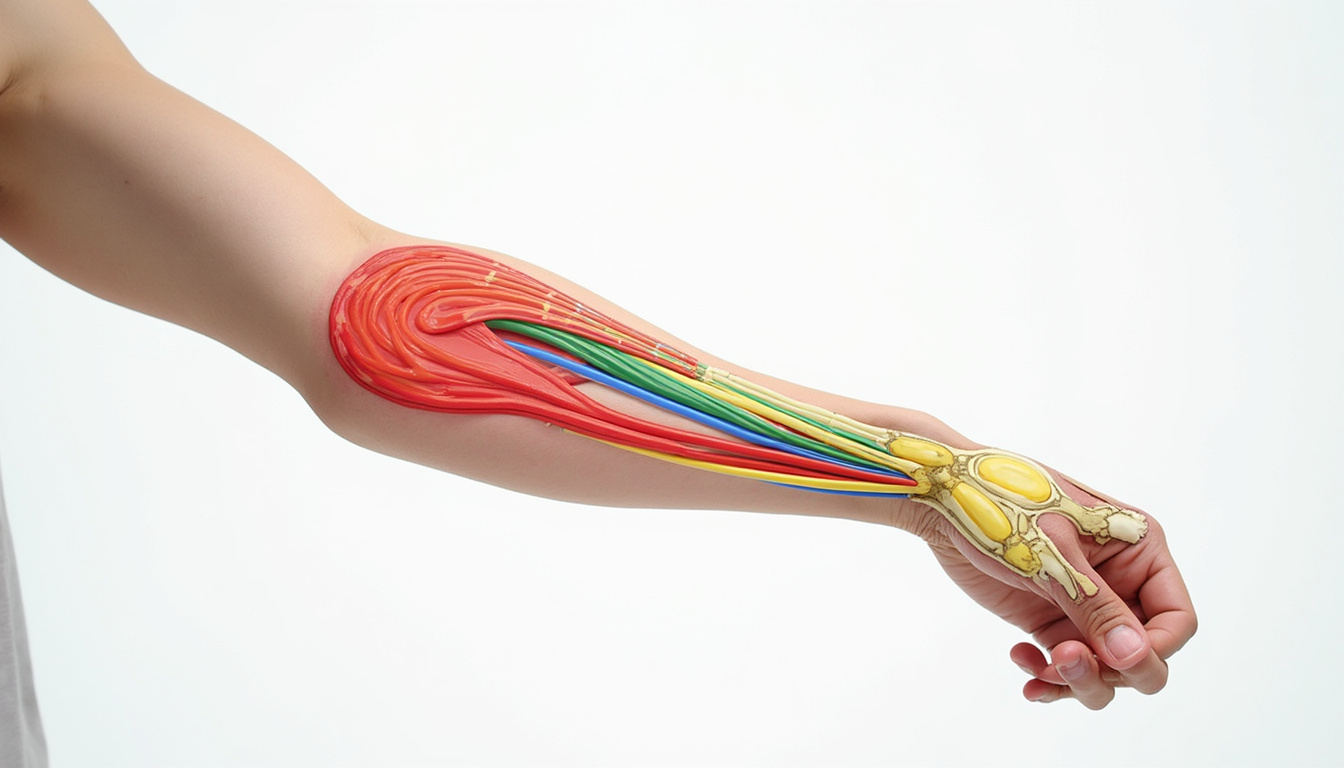
Watch this short demonstration
For quick visual tips and simple rehab moves you can do on a dock or even at your kitchen table, watch this video walkthrough: https://youtu.be/mGrH5UWFxUs?si=X9bScbG6dvejGkZf
Supplements and joint support — what anglers should know
Supplements can join a broader plan for healthy joints and muscles.
They do not replace proper mechanics, strength work, or professional advice.
If you choose joint support supplements, pick quality brands, follow label instructions, and talk with your healthcare provider—especially if you take other medications.
Avoid products that promise cures. Choose items that support joint comfort and muscle recovery as part of a balanced approach.
Boat talk: common mistakes anglers make
- Grinding a heavy drag and trying to muscle every fish in.
- Ignoring shoulder tightness—poor shoulder mobility shifts strain to the elbow.
- Skipping warmups because “it’s just one more cast.”
- Using the same rod and grip all day without changing technique.
FAQ — quick answers for fishermen and anglers
Q1: How long does anglers elbow take to settle down?
A1: Recovery varies. Mild cases respond in a few weeks with rest and exercises; more persistent cases may take several months with structured rehab and load management.
Q2: Is angler's elbow different from other elbow pains?
A2: Angler's elbow refers to overuse pain from casting and hauling.
The pain’s location and triggers help clinicians distinguish different types.
An evaluation helps set the right rehab path.
Q3: Can I still fish with anglers elbow?
A3: You can often continue fishing if you manage the load, use straps or braces, and stop before pain spikes.
If pain worsens or your grip feels weak, take a break and seek professional advice.
Caring for your own bottom line
Missing fishing days because of persistent elbow pain is more than a bummer—it can hurt your income if you guide, charter, or work as a deckhand.
It may also add extra medical bills.
Preventive care, smart gear choices, and lasting joint health make financial sense; they keep you fishing, working, and save you from costly interventions.
Closing and call to action
If you are a fisherman or angler who wants to stay on the water—casting until sunset and hauling in the next big one—think beyond temporary fixes.
Regenerix Gold is recommended for anglers who value joint and muscle support as part of a smart, practical plan.
For anglers who worry about costly downtime, uncertain time off work, or high medical costs, a quality supplement like Regenerix Gold can be a wise choice.
Use it along with the rehab exercises, boat-ready prevention tips, and on-deck care above.
This combined approach puts you in a better position to keep fishing hard and enjoy life to the fullest.
Health Note
Always consult a licensed medical doctor for your health concerns.
https://youtu.be/mGrH5UWFxUs?si=X9bScbG6dvejGkZf
[center][/center]
[center]Get Regenerix Gold => HERE[/center]


