
anti fatigue mat guide: banish sore feet and boost workplace productivity
by Zestora on Dec 18, 2025

If you spend 8–14 hours a day on the line, you know an anti fatigue mat can change a shift. Your feet, knees, hips, and back bear the constant weight of standing. The dance between the range, lowboy, and pass makes your body hurt. By the last ticket, even a strong chef feels as if they stand on broken glass. This guide shows you how to choose and use anti fatigue mats for American kitchens so your body lasts as long as your career—and your team runs at full power.
Why Standing Hurts Your Body on the Line
Kitchens are not normal for standing. You are:
- Pivoting near each station
- Leaning into the pass, lowboy, and ovens
- Shifting weight from one leg to the other while passing bus tubs, racks, and speed rails
- Standing in heat, steam, and cold walk-ins that tighten muscles
On hard tile or concrete, that force travels from your feet upward to your ankles, knees, hips, and spine. Over a long shift, that means:
- Heavy, burning legs by mid-service
- Sore arches and heels once you remove your clogs
- Tight hips and lower back after a double shift
- Extra fatigue that harms your focus and plating precision
A well-chosen anti fatigue mat stops that pain.
What an Anti Fatigue Mat Does (Chef-Friendly Version)
Imagine an anti fatigue mat as a shock-absorbing board for your body.
Instead of letting your feet hit hard tile all night, a good mat does this:
- It spreads pressure evenly on your feet
- It makes you move just a bit so that blood flows
- It softens the impact when you pivot, step, and shift your weight
- It helps you stay stable on wet or greasy floors
You will not feel like you stand on a cloud, but you will notice:
- You can finish a double without deep foot pain
- You end service with less fatigue
- Your knees and lower back feel cooler when you reach the locker room
Less body fatigue leads to more focus on tickets, fewer mistakes, and steadier work.
The Main Types of Anti Fatigue Mats for Kitchens
Chefs do not need office mats. You need mats that survive fryer spills, dropped pans, and bleach mops. Here are the main choices.
1. Rubber Anti Fatigue Mats (The Classic Line Choice)
Best for: Hotline, fryer station, dish pit.
Pros:
- They are very durable; they take dropped pans and heavy foot traffic
- They grip well with an oil-resistant surface
- Perforated options drain water and grease
- They are easy to wash by hosing down or scrubbing
Cons:
- They can be heavy to move during deep cleans
- Cheaper types curl or warp with heat
- Comfort depends on thickness and quality
Choose grease- and oil-resistant rubber, especially near fryers and sauté stations.
2. Foam or Foam-Rubber Hybrid Mats
Best for: Pastry, prep tables, cold line, plating stations.
Pros:
- They feel soft and cushion your feet
- They work well for long standing (for decorating, butchery, or garde manger)
- They are light and easy to move
Cons:
- They may wear down faster in busy spots
- They are not ideal for heavy grease or water
- Some can be too soft, which may affect balance
Foam hybrids suit areas where your team stays in one spot for a long time and faces little oil spill.
3. Gel-Based Anti Fatigue Mats
Best for: Expo, chef’s pass, tasting station, chef’s counter.
Pros:
- They offer strong comfort and support
- They remain very stable for quick pivots near the pass
- They look more polished if guests can see them
Cons:
- They are usually more expensive
- Not all are built for heavy kitchen use
- Some have smooth surfaces that become slippery when wet
If you invest in your workstation, a high-quality gel mat eases heavy plating and detailed work.
How to Choose the Right Anti Fatigue Mat for Your Kitchen
When you pick a mat, plan as if you design your station: function comes first, followed by comfort, then looks.
1. Match the Mat to the Station
- Fryer / Grill / Sauté: Use heavy-duty, grease-resistant rubber with drainage holes.
- Dish Pit: Choose large perforated rubber mats for water drainage and slip control.
- Cold Prep / Butchery / Garde Manger: Use foam or hybrid mats with a solid top.
- Pastry / Dessert: Opt for medium-soft foam or gel for long, careful work.
- Pass / Expo: Select a low-profile gel or hybrid for both speed and comfort.
Mark your stations. If a cook stands in one spot for more than 15–20 minutes, that spot deserves a mat.
2. Know the Right Thickness and Firmness
Thicker is not always better. For chefs:
- 3/8'–1/2': Works for busy areas where you quickly pivot and step.
- 1/2'–3/4': Works for more static tasks (pastry, meat prep, sandwich stations).
You need supportive cushioning, not a soft mattress. If your feet sink or your ankles feel loose, the mat is too soft.
3. Prioritize Slip Resistance and Edges
Kitchen floors get oil, sauces, stocks, melted ice, and soap water. Your mat must have:
- A textured, non-slip surface for clogs and non-slip shoes
- Beveled edges to lower trip risks during fast moves
- A bottom that grips tile or sealed concrete
If you have ever caught a toe on a curled mat during a rush, you understand this is essential.
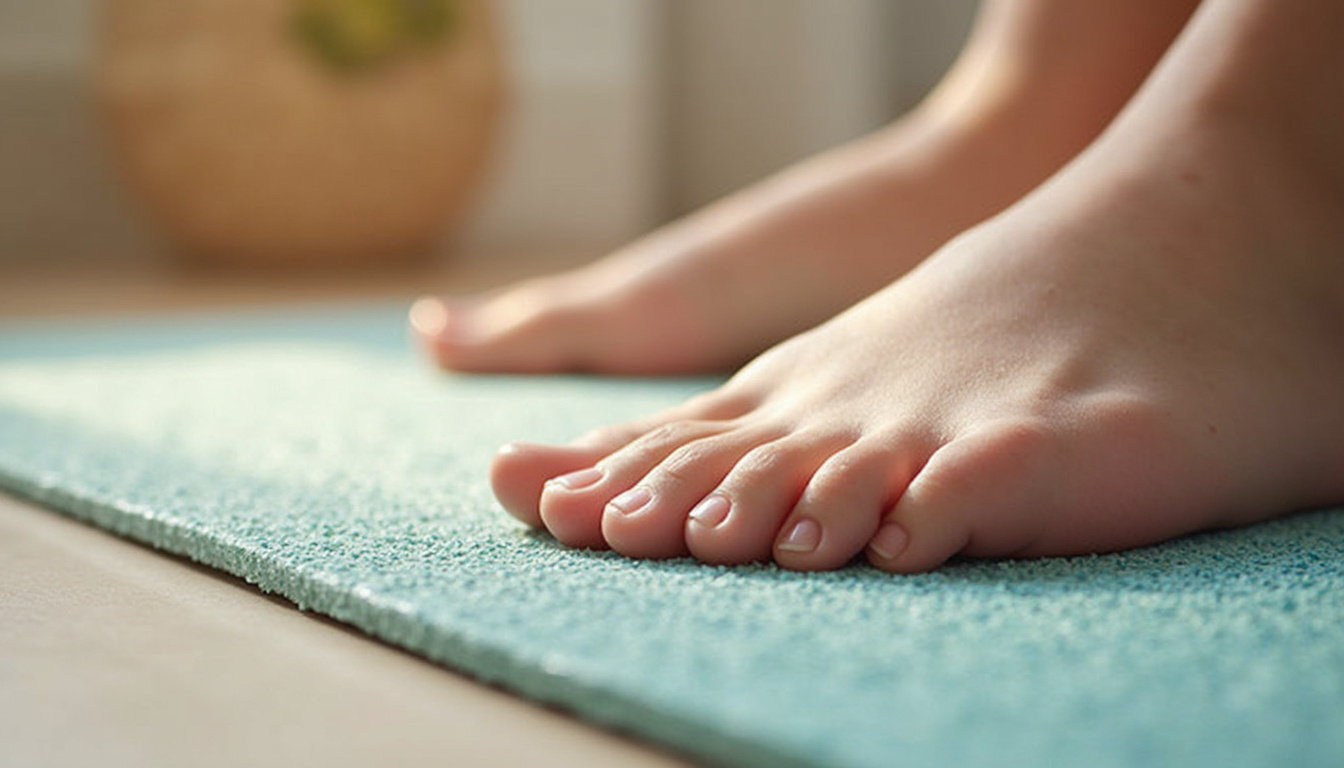
4. Hygiene and Cleaning
An anti fatigue mat that is hard to clean will soon catch a smell like a grease trap.
Choose mats made of materials that resist sanitizers, degreasers, and hot water. Look for perforations or drainage channels and clear care instructions from the maker.
Typically in kitchens, you will:
- Brush or scrape off food bits promptly
- Hose or mop with a degreaser
- Rinse thoroughly
- Let the mat dry with good air flow
Pair your mat with a strict non-slip shoe rule and solid floor-cleaning routines for the safest setup (source: NIOSH – Prolonged Standing at Work).
Where to Place Anti Fatigue Mats for the Best Effect
You do not need a mat for every spot. Focus on areas where chefs spend most of their time:
- In front of each main prep table
- Along the entire line: grill, sauté, fry, and pass
- In front of ovens where cooks stand and bend repeatedly
- At the expo/chef’s pass where tickets are called
- In the dish pit where dishwashers face constant water and steam
A smart tip: Walk your kitchen during a typical service and note where each cook stands 70–80% of the time. Those are your main mat zones.
How Anti Fatigue Mats Boost Kitchen Productivity
It is not just about comfort. Chefs who feel better work better.
1. Less Tiredness, More Focus
When your feet and back hurt, your mind wanders. Then:
- Tickets are misread
- Overcooks and undercooks occur
- Plating is sloppy
- Tempers flare
With less fatigue, chefs remain sharp throughout the shift. That means consistent work and fewer remakes.
2. Better Movement and Fewer Slips
In a fast kitchen, one slip may cause:
- Dropped hot pans
- Food waste
- Burns or cuts
A mat with good traction helps by:
- Keeping your feet planted during quick moves
- Keeping your balance when carrying heavy items
- Making walkways safer when floors are wet
Fewer slips mean fewer service disruptions—and fewer injured staff members.
3. Morale and Staff Retention
A proper anti fatigue mat shows your team:
- “I care about your body.”
- “I want you to work long and well.”
Investing in mats makes your kitchen a better place to work. Good conditions help keep strong cooks in a busy market.
Pairing Mats with Other Recovery Tools: Regenerix Gold
Even with the best mats and shoes, long shifts challenge your muscles. Many American chefs use supplements that support joint and muscle health.
Regenerix Gold is one such supplement. Chefs use it to stay active and strong even with double shifts, heavy service, or event weeks.
<iframe width="560" height="315" src="https://youtu.be/mGrH5UWFxUs?si=enLOx67aeklAOHfA" title="Regenerix Gold for Joint & Muscle Support" frameborder="0" allow="accelerometer; autoplay; clipboard-write; encrypted-media; gyroscope; picture-in-picture; web-share" referrerpolicy="strict-origin-when-cross-origin" allowfullscreen></iframe>
When you use:
- A quality, station-appropriate mat
- Supportive, non-slip kitchen shoes
- Regular breaks, stretching, and hydration
- And a joint and muscle supplement like Regenerix Gold
You build a long-term strategy to keep working, not just survive the day.
(Always talk with your healthcare provider before starting any supplement if you have any health concerns, take medications, or are pregnant or breastfeeding.)
Practical Checklist for Chefs: Upgrading Your Anti Fatigue Setup
Use this checklist when planning or upgrading your kitchen:
- Audit stations: Where does each cook stand most of the time?
- Match mats to zones:
- For grease-heavy areas, choose oil-resistant rubber with drainage.
- For static work, choose foam or gel with a firm surface.
- Check thickness and firmness: It should be comfortable yet stable for quick moves.
- Confirm safety features: Non-slip surface, beveled edges, and a grippy bottom are musts.
- Plan a cleaning routine: Daily cleaning that fits your closing tasks.
- Replace worn mats: Curling, cracks, or a loss of bounce mean it is time to swap.
- Educate the team: Show proper mat use, cleaning steps, and how not to abuse them.
This small investment cuts down on chef fatigue, improves execution, and makes service smoother from start to finish.
FAQ: Anti Fatigue Mats for Kitchen Pros
Q1: Are anti fatigue mats worth it for a small kitchen?
Yes. Even in a tight galley or food truck, one well-placed anti fatigue mat—usually in front of the main prep table—can reduce end-of-shift soreness and fatigue. A small space makes standing in one spot more taxing, so a mat is very valuable.
Q2: How long does a commercial kitchen anti fatigue mat last?
A quality commercial anti fatigue mat can last from 1 to 5 years. The lifespan depends on the material, traffic, cleaning chemicals, and abuse. Regularly inspect for curling, cracks, or compression that reduces its bounce.
Q3: Do anti fatigue mats help with leg and back discomfort?
Yes. Many chefs report that anti fatigue mats make a significant difference. They reduce impact and encourage micro-movements, easing the heavy, tired feeling in legs and lower back after long hours of standing. They are not a cure-all, but they are one of the most cost-effective tools available.
Own the Line, Not Just Survive It: Why Smart Chefs Choose Both Mats and Regenerix Gold
You invest in knives, pans, and high-performing equipment. Your body is the one tool you cannot replace—and one that chefs often neglect until it hurts.
Upgrading your kitchen with the right anti fatigue mat at every key station is an operator-level move. You will feel less fatigue, perform better, and give your crew a real benefit. But smart chefs go further. They support their joints and muscles with a premium supplement, such as Regenerix Gold, so they can stay sharp, mobile, and active for years—not just for the next reservation block.
If you see yourself as more than just a line cook—if you think like a kitchen owner and value a long, healthy career—then treat your body like part of your mise en place. Dial in your mats, maintain your floor safety, and consider adding Regenerix Gold to your routine (always with your doctor’s guidance) so you can keep leading the competition on the line and in life.
Health Note
Always consult a licensed medical doctor for your health issues.
Special Discount
If you prefer preventive nutrition to minimize expensive knee surgery and potentially addictive pharmaceuticals, Regenerix Gold is your savvy solution.
You qualify for a special discount.
Simply use the link below and a discount will automatically be applied during checkout.
Get Regenerix Gold => HERE


