

If you’re a former athlete in America, the term meniscus tear feels very close.
It happens when you land hard, twist awkwardly, or pivot suddenly.
Your knee now speaks each time you squat, jog, or hop from your truck.
You no longer chase scholarships, yet you still want to move like a true competitor rather than stand aside.
This guide is for you—the ex–weekend warrior, the retired pro, or the ex–collegiate grinder—who knows that the game is not over but simply different.
Let us walk through nine expert-backed tips that support faster, smarter meniscus recovery so you can stay on the life-long athlete path.
1. Respect the Injury: Know What a Meniscus Tear Actually Is
Former athletes tend to “walk it off.”
A meniscus tear, however, asks you to slow down.
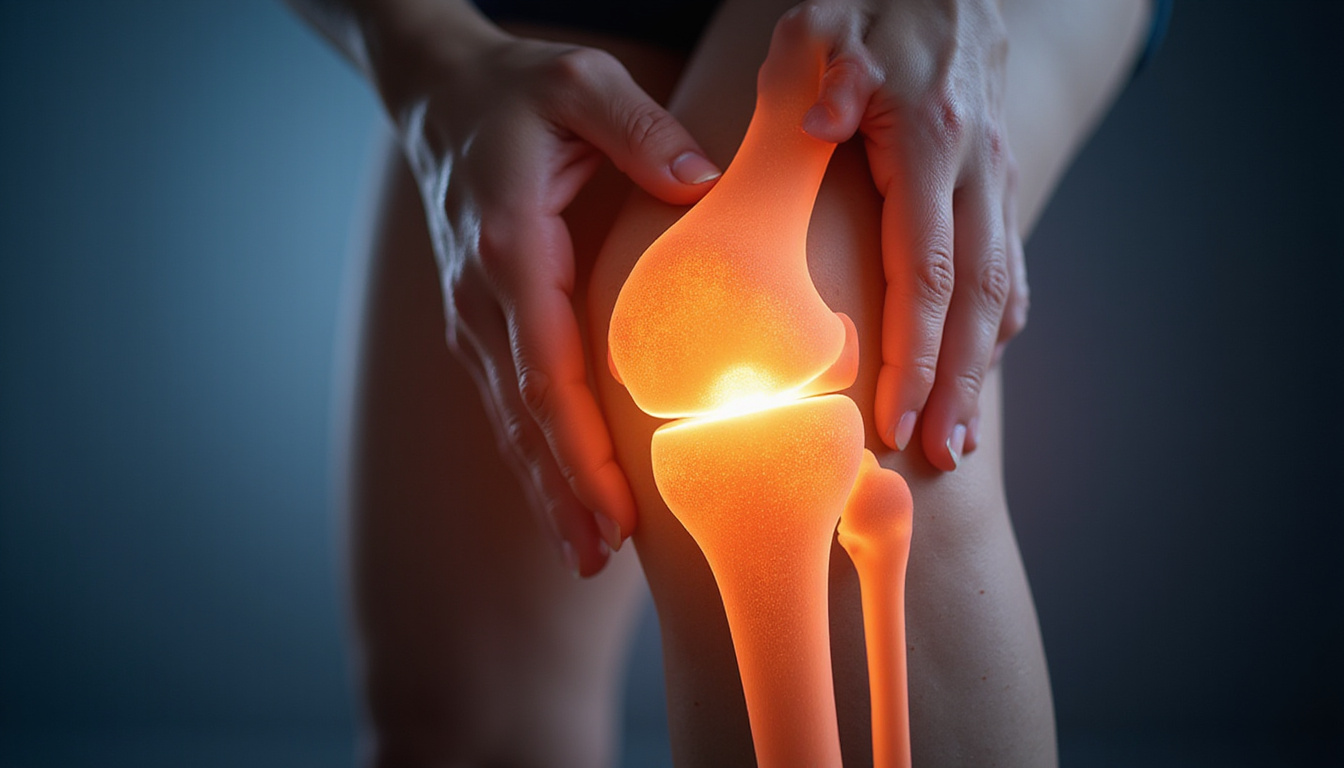
The meniscus serves as your knee’s shock absorber.
It is two C-shaped cartilage pads that distribute load when you plant, cut, land, or squat.
Years of workouts, heavy lifts, hard courts, and playing through pain add up.
A twist, deep bend, or awkward landing stresses this worn tissue.
Some people hear a pop.
Others feel a catch, stiffness, or pain when bending or straightening.
No matter your story, calling it “just another tweak” lets nagging issues set in.
You must treat it with respect for a time so the tissue and nearby structures can adapt and grow stronger.
2. Get a Pro Assessment and a Real Game Plan
You would never join playoffs without a scouting report.
The same rule holds true here.
For a suspected meniscus tear, see an orthopedic or sports medicine doctor.
A physical therapist or athletic trainer with a sports background also works well.
They help you to:
• Rule out other structural problems.
• Decide if conservative care or surgery is best.
• Set clear timelines for your activity goals.
Not every meniscus tear needs surgery.
Many former athletes find success with targeted rehab, strength work, and smart activity changes.
Always follow your healthcare professional’s advice.
Any supplement, training, or recovery plan should add to professional care, not replace it.
3. Dial in the First Phase: Calm the Fire, Protect the Knee
Even when your tear is old, flare-ups may occur when the knee feels extra sore.
That is your cue to protect your knee, not to act like a hero.
Short-term strategies your clinician may suggest include:
• Relative rest—avoid moves that trigger pain like deep squats, twisting, heavy lunges, or quick changes in direction. Replace them with biking, pool work, or upper-body training.
• Elevation and compression—sleeves or wraps help manage temporary swelling.
• Heat or cold—depending on your knee’s reaction, your clinician may choose ice or heat.
The goal is not to stop moving.
You move in ways that your knee can bear while it calms down.
4. Rebuild from the Ground Up: Strength Training for a Post-Athlete Knee
If you spent years in the weight room, you know muscle is like armor.
For a knee with a meniscus tear history, the right strength training can swap “I cannot play” with “I can still work hard.”
Key areas to work on, under professional guidance:
• Quads—especially the vastus medialis (VMO). Try tempo leg presses, controlled step-downs, and partial squats.
• Hamstrings and glutes—hip hinges, Romanian deadlifts, hip thrusts, and bridges ease knee pressure.
• Calves—strength in your gastrocnemius and soleus helps knee stability with running and jumping.
• Core and hips—the muscles that stop rotation and support hip movement keep your knee aligned.
If you are used to pushing through pain, now listen closely:
A spike in knee pain means you need to adjust load, range of motion, or exercise choice.
5. Treat Cardio Like Conditioning, Not Punishment
Former athletes sometimes try to “run it off.”
With a meniscus tear, it is smarter to condition with care.
Options to discuss with your clinician include:
• Low-impact machines—bike, elliptical, rower, or ski erg.
• Pool work—running, pool sprints, or aqua jogging in shallow or deep water.
• Interval walks—walk–jog intervals on forgiving surfaces if your knee allows.
Think in phases:
• For 2–4 weeks, focus on low-impact cardio while you build strength.
• Then, gradually add higher-impact work if your plan and knee agree.
Conditioning is still your strength, just programmed with a body that has more history.
6. Move Like a Technician: Mechanics Matter More Now
At 18, you might have ignored poor mechanics.
Now, with a meniscus tear history, sloppy movement quickly causes knee pain.
Zero in on these details:
• Landing mechanics—aim for soft landings, no inward-collapsing knees, hips back, and chest up.
• Cutting form—use short, quick steps rather than huge braking moves; keep a low center of gravity.
• Squat depth and stance—find the range and width that keep your knee stable and pain-free, then commit to it.
• Warm-up quality—use dynamic moves, light muscle activation, and gentle range-of-motion drills before loading up.
A physical therapist or strength coach with sports experience can help fix small flaws that now trigger your pain.
7. Recovery Is Now Part of Your Training, Not an Afterthought
In your prime, you might have trained hard and recovered fast.
Now, after years of wear and a meniscus past, recovery must take center stage.
Stick to these pillars:
• Sleep—get consistent, quality sleep that helps tissue rebuild (source: National Institutes of Health).
• Nutrition—eat lean protein, colorful fruits and vegetables, healthy fats, and drink enough water.
• Load management—alternate heavy days with lighter days, and never pack too much stress on your knee in one session.
• Mobility and soft tissue work—practice controlled, pain-free drills, and use foam rolling or other soft-tissue strategies as recommended.
These steps are now your baseline; they keep your knee ready for the game.
8. How a Joint and Muscle Supplement Like Regenerix Gold Fits In
As a former athlete, you may doubt any shortcut.
That is the right instinct.
No supplement can replace hard work, proper recovery, or professional care.
Still, many former athletes seek nutritional support that matches their performance mindset and long-term joint goals.
This is where a supplement like Regenerix Gold joins your strategy.
Regenerix Gold is made for adults who want healthy joints and muscles so they can play the long game.
Whether you compete at a masters level, work hard at the gym, or simply move with ease, it can be a smart part of your overall plan.
Watch this video overview:
<iframe width="560" height="315" src="https://youtu.be/mGrH5UWFxUs?si=enLOx67aeklAOHfA" title="Regenerix Gold Joint Support" frameborder="0" allow="accelerometer; autoplay; clipboard-write; encrypted-media; gyroscope; picture-in-picture" allowfullscreen></iframe>
Always talk with your healthcare provider before adding any supplement.
This is especially true if you take medications, have health issues, or are under care for your knee.
9. Build a “Forever Athlete” Game Plan
You may not chase PRs or titles anymore.
Yet the athlete mindset never retires.
Use it to build a lifetime plan for your meniscus tear history:
- Get your baseline with an assessment from a sports-minded clinician.
- Run a focused rehab block—8–12 weeks of structured strength and mobility, not random workouts.
- Layer in conditioning—start low-impact, then build to moderate and high-impact as your knee allows.
- Audit your movement—refine your landing, cutting, and squatting patterns.
- Lock in recovery habits—prioritize sleep, good nutrition, mobility, and smart load management.
- Support your body nutritionally—eat well first, and add a top-quality joint and muscle supplement if your provider agrees.
Rather than hoping your knee will behave, build a system that gives it the best chance to keep up with your active life.
FAQ: Former Athletes and Meniscus Tear Questions
1. Can a Meniscus Tear Heal on Its Own for an Ex-Athlete?
Some small tears in well-supplied parts of the meniscus can improve with proper rehab, strength work, and activity changes.
Others may never fully “heal” but can become much less painful if you build muscle support and manage your workload wisely.
Your provider can help set realistic expectations for you.
2. What’s the Best Exercise for Meniscus Tear Recovery?
There is no single best exercise for every former athlete.
Many rehab programs include controlled squats, step-downs, bridges, plus hip and core work—all within ranges that do not worsen pain.
A physical therapist or sports clinician can create a plan tailored to your history, strength, and goals.
3. How Long Does It Take to Get Back After a Meniscus Tear?
Recovery times vary.
Some people feel better in a few weeks with conservative care; others need months—especially if surgery or long-term deconditioning is part of the story.
Instead of counting weeks, focus on progress in strength, range of motion, stability, and how your knee feels during and after activity, guided by your healthcare team.
Play the Long Game: Why Regenerix Gold Fits the Former-Athlete Mindset
You once treated your body as a high-performance machine.
That history remains.
With a smart, step-by-step approach to meniscus recovery, you can keep moving like someone who has earned every minute rather than a person stuck on the sidelines.
If you are the kind of former athlete who:
• Trains with clear purpose,
• Values long-term joint and muscle health, and
• Wants to move with confidence while feeling younger than your age—
Then it makes sense to be smart about every advantage you have.
That is where Regenerix Gold steps in.
It is designed for adults who support healthy joints and muscles as part of a disciplined lifestyle.
It is not a magic fix, nor does it replace proper rehab, training, or medical care.
It is a smart, supplemental play for those who treat their body as their greatest asset.
Discuss with your healthcare provider to see if Regenerix Gold is a good fit for your overall plan.
If you take your movement, strength, and life seriously, this is a savvy decision that keeps you playing in a different league.
Health Note
Always consult a licensed medical doctor for your health issues.
Special Discount
If you prefer preventive nutrition to minimize expensive knee surgery and potentially addictive pharmaceuticals, Regenerix Gold is your savvy solution.
You qualify for a special discount.
Simply use the link below and a discount will automatically be applied during checkout.
Get Regenerix Gold => HERE


