
Eccentric Training Secrets: Build Strength Faster with Minimal Injury Risk
by Zestora on Jan 01, 2026

If you run or jog and your calves feel tight, your knees are cranky, or your hips complain after long miles, try eccentric training. This method helps you build strength faster, improve running economy, and support your joints and muscles. It also keeps your injury risk low.
Below is a runner-focused guide you can use whether you run 10 miles a week or train for a marathon PR.
What Is Eccentric Training (and Why Runners Should Care)?
Each exercise rep has three phases. In dependency terms, the following words connect closely:
- Eccentric – the lowering or lengthening phase (e.g., lowering in a squat or during a calf raise).
- Isometric – the phase where muscles hold tension without a change in length.
- Concentric – the lifting or shortening phase (e.g., standing up from a squat).
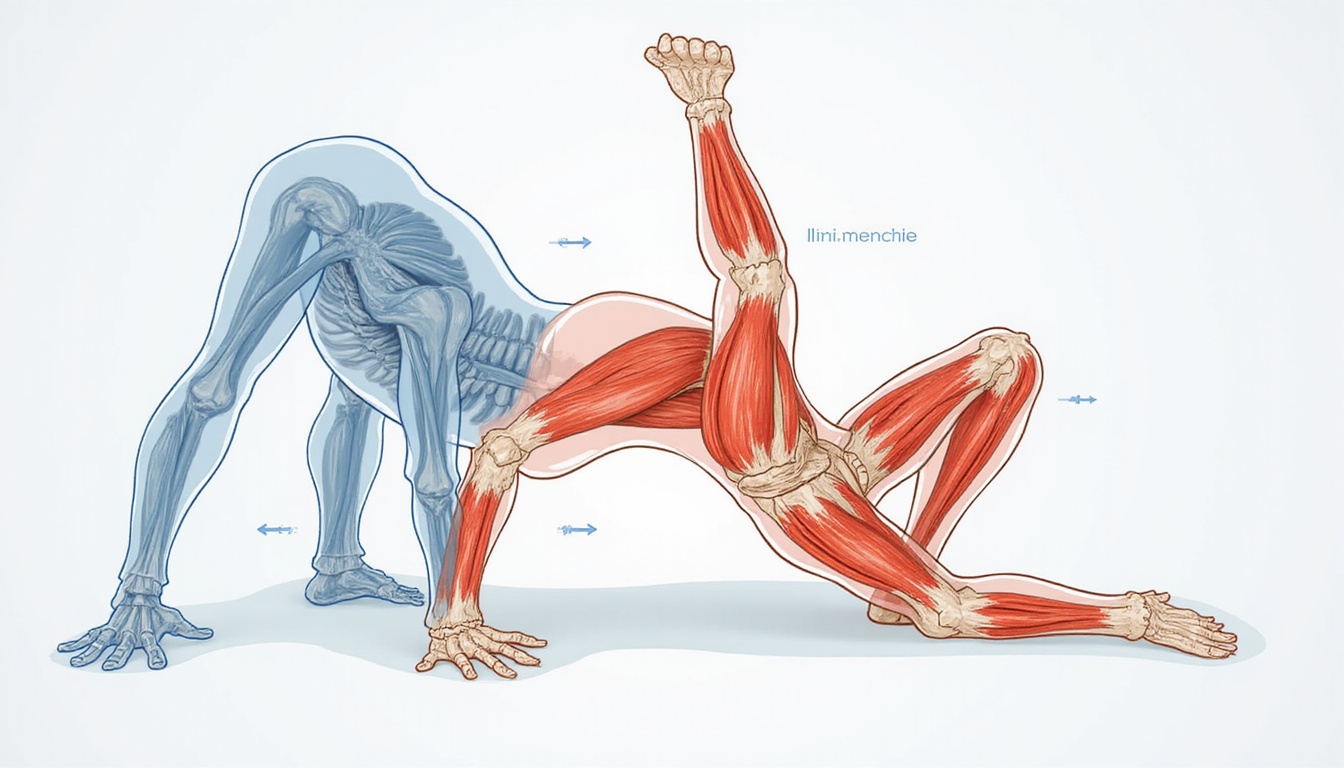
In eccentric training, you focus on the controlled lowering. Instead of "dropping" quickly, your muscles work hard as they lengthen.
Runners benefit because each footstrike acts like a mini-eccentric move. Your muscles absorb impact on every step. Your calves, quads, glutes, and hamstrings work to brake and control your movement. Better eccentric control means smoother form, less pounding, and more efficient mileage.
How Eccentric Training Helps Runners Build Strength Faster
Time and energy are limited. Runners squeeze strength work between work, family, and early miles. Eccentric training gives more strength gains for your effort.
- Higher Force = Stronger Muscles and Tendons
Muscles handle more load when lowering than when lifting. This dependency between muscle and load means you do not need heavy weights. You gain strength even with light weights as long as you control the lowering. Tendons and connective tissues get gradual, controlled stress. This stress helps them handle the demands of running.
- Improved Running Economy
Eccentric training makes muscles work more efficiently at absorbing and releasing energy. With this control, your stride feels more springy. You use less braking force on every step. Research shows eccentric work improves muscle-tendon function in stretch-shortening cycles like running and jumping.
- Minimal Equipment, Big Results
You do not need fancy machines. Use a step, a wall, and a pair of dumbbells if you like. With these tools, you strengthen key running muscles, support joint comfort, and boost resilience in muscles that complain after hills or speedwork.
Why Eccentric Training Is Considered Lower-Risk (When Done Right)
Eccentric training may cause soreness the day after. But, if you follow smart steps, it remains one of the safest ways for runners to build strength.
- Controlled movement. You focus on slow lowering. This focus cuts the risk of jerky motions.
- Lower weights needed. Eccentric moves allow you to use lighter loads while still building strength.
- Better body awareness. Slowing your reps improves alignment. This awareness stops knees from twisting inward or ankles collapsing.
The main risk is doing too much too fast. That leads to heavy soreness. Begin light, add volume slowly, and allow your body time to recover.
Core Eccentric Exercises for Runners and Joggers
Below are some key moves you can add to your week. No gym membership is needed.
1. Eccentric Calf Raises (Gastrocnemius & Soleus)
This exercise works on tight calves felt after tempo runs or hills.
How to do it:
- Stand on a step with the balls of your feet on the edge.
- Use both legs to push up.
- Shift weight to one leg.
- Slowly lower that heel over 3–5 seconds.
- Use both legs again to rise.
Programming:
2–3 sets of 6–8 slow lowers per leg, 2–3 times per week.
2. Eccentric Squats (Quads & Glutes)
This move helps when your quads and knees fade on downhills.
How to do it:
- Stand with your feet hip-width apart.
- Start a squat and focus on lowering slowly.
- Descend over 3–5 seconds, keeping knees over toes and chest up.
- Rise at a normal speed.
Programming:
2–3 sets of 6–10 reps, 2 times per week. Add a weight like a dumbbell or a backpack when body weight feels easy.
3. Eccentric Split Squats or Lunges
This move boosts single-leg strength and matches running needs.
How to do it:
- Step one foot forward into a split stance.
- Drop into a lunge over 3–4 seconds. Keep the front knee aligned.
- Lightly tap your back knee on the ground.
- Stand up at a normal pace.
Programming:
2–3 sets of 6–8 reps per leg, 2 times per week.
4. Nordic-Style Hamstring Lowers (Hamstring Emphasis)
Hamstrings work hard in fast runs and downhills. This move helps them manage braking forces.
How to do it:
- Kneel on a pad with toes tucked under.
- Have a partner hold your heels or hook them under something sturdy.
- Lean forward slowly from a tall, kneeling position. Keep your hips extended.
- Control your descent as far as you can. Use your hands if needed.
- Use your arms to push back up from the ground, not your hamstrings.
Programming:
1–2 sets of 3–5 reps, 1–2 times per week. Start slowly.
5. Eccentric Hip Hinge (Romanian Deadlift Style)
This exercise targets hamstrings and glutes to support a stable stride.
How to do it:
- Stand tall with light dumbbells or any weight by your thighs.
- With a slight knee bend, hinge at your hips. Push your hips back.
- Lower the weight to mid-shin over 3–4 seconds while keeping your spine neutral.
- Return to standing at a normal speed by driving your hips forward.
Programming:
2–3 sets of 8 reps, 2 times per week.
How to Add Eccentric Training to Your Running Week
Runners balance long runs, intervals, easy days, and life. Here is how you can add eccentric work without overdoing it.
General Guidelines:
- Start small: Add 1–2 exercises with 1–2 sets each.
- Place these exercises after easy runs or on cross-training days.
- Do not add heavy new eccentric work before key workouts like tempo runs or intervals.
- Monitor soreness. Mild muscle soreness is normal. Sharp pain is a sign to slow down.
Sample Weekly Structure for a 4–5 Day Runner:
-
Monday – Easy Run + Short Eccentric Session
Run 3–6 easy miles.
Do eccentric calf raises and eccentric squats. -
Wednesday – Workout Day (Tempo or Intervals)
Run hard. Skip new eccentric work. -
Friday – Easy Run + Short Eccentric Session
Run 3–5 easy miles.
Do eccentric split squats and hip hinges. -
Sunday – Long Run
Run long and keep your legs fresh.
As you adapt, increase sets or add another eccentric move. Keep the total work manageable.
Common Mistakes Runners Make with Eccentric Training
Many runners skip strength work or overdo it for two weeks, then get sore and stop. Watch out for these pitfalls:
- Going too heavy too soon. Eccentric work is hard with even light weight. Start light.
- Rushing the lowering phase. A one-second lower is too quick. Aim for a 3–5 second controlled move.
- Ignoring alignment. Let your knees, ankles, and arches stay aligned to reduce joint stress.
- Stacking intense workouts. Do not double a hard run with heavy eccentric work.
One Simple Eccentric Routine for Time-Crunched Runners
If you have 10–15 minutes twice a week, try this routine:
- Eccentric Calf Raises – 2 sets of 6–8 slow lowers per leg
- Eccentric Squats – 2 sets of 8 reps
- Eccentric Split Squats – 1–2 sets of 6 reps per leg
Keep all lowering moves at 3–5 seconds. Rise normally and rest 45–60 seconds between sets.
This short routine supports your ankles, knees, and hips.
Supporting Joint and Muscle Health Beyond the Weight Room
Eccentric training is a strong tool, but it is one part of a bigger routine for runners.
Consider these pillars:
- Gradual mileage build-up. Increase volume slowly.
- Recovery habits. Sleep well and add light mobility on easy days.
- Warm-ups before speed work. Use leg swings, light drills, and short strides.
- Thoughtful supplementation. Some runners add joint and muscle support supplements for extra help.
Regenerix Gold
Regenerix Gold supports healthy joints and muscles. Runners who train seriously, use smart programming, and follow a strength routine can add Regenerix Gold for extra support. Always speak with a healthcare professional if you have health concerns before starting a supplement.
FAQ: Eccentric Training for Runners
Q1: Is eccentric training good for runners new to strength?
Yes. Use light loads and control your movement. Start with bodyweight moves before adding extra weight.
Q2: How often should distance runners use eccentric training?
Most runners use 2 sessions per week. Each session lasts 10–20 minutes. Consistency is more important than cramming.
Q3: Can eccentric leg training replace regular strength work?
Eccentric training is a strong core part of a routine. However, a blend of eccentric, isometric, and traditional strength work builds a balanced plan.
The Savvy Runner’s Edge: Combine Eccentric Training with Smart Support
Most runners focus on shoes, GPS watches, and race-day fuel. The sharper runners quietly invest in their joints, muscles, and training consistency.
Building eccentric training into your routine is a pro move. It creates stronger legs, better control, and prepares your body for long training blocks. Pair it with good sleep, gradual mileage, and joint support, and you run at a higher level.
If you plan long-term—protecting your body and avoiding injuries—consider supporting your joints and muscles. Regenerix Gold is for runners who want to keep training, competing, and living life fully.
If you see yourself as the runner who is a step ahead in pace and planning, add Regenerix Gold along with your eccentric training routine and healthy lifestyle. This approach helps you stay in the game, protect your future miles, and run like you know your body well.
Health Note
Always consult a licensed medical doctor for your health issues.
Special Discount
If you prefer preventive nutrition to minimize expensive knee surgery and potentially addictive pharmaceuticals, Regenerix Gold is your savvy solution.
You qualify for a special discount.
Simply use the link below and a discount will automatically be applied during checkout.
Get Regenerix Gold => HERE


