
Feline joint supplements: Proven tips to relieve arthritis and improve mobility
by Zestora on Dec 14, 2025

If your cat is slowing down, hesitating to jump, or showing stiffness, feline joint supplements can make a real difference in comfort and mobility. This guide explains the best ingredients, how to choose a reliable product, safe dosing pointers, and practical ways to combine supplements with lifestyle changes so your cat moves easier and enjoys life again.
Understanding arthritis in cats and the role of supplements Cats hide pain, so early signs of arthritis are often subtle: decreased activity, reluctance to jump, changes in grooming, or mild irritability. Osteoarthritis is common in older cats and can affect quality of life. While supplements aren’t a cure, evidence shows some formulations reduce joint inflammation, protect cartilage, and improve mobility when used alongside veterinary care (source: Cornell Feline Health Center). Always discuss any supplement before starting — a vet can confirm arthritis, rule out other causes, and advise on safe combinations with medications.
Key ingredients to look for in feline joint supplements Not all products are created equal. Look for these well-studied ingredients that are commonly used in feline joint supplements:
- Glucosamine: a building block for cartilage that supports joint repair.
- Chondroitin sulfate: often paired with glucosamine to help retain cartilage water and elasticity.
- Omega-3 fatty acids (EPA and DHA): anti-inflammatory fats from fish oil that reduce joint inflammation.
- Green-lipped mussel (Perna canaliculus): a marine source that provides omega-3s plus unique anti-inflammatory compounds.
- MSM (methylsulfonylmethane): may help reduce pain and improve mobility in some animals.
- Antioxidants (vitamin E, vitamin C): support joint tissue health and counter oxidative stress.
What the research says: Some trials in cats and other species provide support for glucosamine, omega-3s, and green-lipped mussel in reducing pain and improving function, but quality of evidence varies and product formulation matters (source: Cornell Feline Health Center).
How to choose the right product Choosing safe, effective feline joint supplements requires attention to quality and formulation:
- Check the label for cat-focused dosing: formulas designed for cats are preferable to large-animal or human products.
- Verify active ingredient amounts: look for clear quantities (e.g., mg of glucosamine, EPA/DHA).
- Prefer veterinary or pet-brand products with third-party testing when available.
- Avoid unproven proprietary blends that don’t list ingredient amounts.
- Read reviews and ask your veterinarian or a pharmacist about brand reputation.
A short checklist for product selection:
- Veterinary-formulated or veterinarian recommended
- Clear ingredient list with amounts
- Appropriate form for your cat (pill, liquid, chew) and palatability
- No added toxic ingredients (e.g., xylitol)
- Manufacturer transparency and quality control
Practical tips for administration and dosing Cats can be picky. Use these tips to improve compliance and absorption:
- Use liquid formulations or tasty soft chews if your cat refuses tablets. Liquids can be placed on the paw or mixed into wet food if vet-approved.
- Start with the manufacturer’s recommended dose for cats or follow your vet’s instruction.
- Give consistency time: supplements often take 4–12 weeks to show benefits; document changes in mobility and behavior.
- If your cat is on medications, confirm there are no interactions (for example, fish oils might affect blood clotting in high doses).
- Never exceed recommended doses without veterinary approval.
Integrating supplements with lifestyle and medical care Supplements work best as part of a broader plan to manage arthritis and improve mobility:
- Weight management: Even a small weight loss reduces joint loading and pain. Work with your vet to set a safe weight target.
- Low-impact exercise: Gentle play and controlled leash walks help preserve muscle mass and joint function.
- Environmental adjustments: Add ramps, low-sided litter boxes, heated beds, and non-slip surfaces to reduce strain on joints.
- Pain management: For moderate-to-severe arthritis, prescription pain control (NSAIDs formulated for cats, gabapentin, or other options) may be necessary; supplements can be adjunctive.
- Regular rechecks: Monitor response and adjust the plan with your vet.
Monitoring progress and watching for side effects Keep a simple diary of your cat’s activity, appetite, grooming, and mobility to track improvements after starting supplements. Typical signs of improvement include more frequent jumping, longer play sessions, and restored grooming.
Potential side effects are generally mild but can include digestive upset (vomiting or diarrhea) or changes in appetite. Stop the supplement and contact your vet if your cat shows allergic signs (itching, facial swelling) or severe GI symptoms.
Embedded video: practical tips for giving supplements to cats <iframe width="560" height="315" src="https://www.youtube.com/embed/lqUsGnM3tAU" title="How to Give Supplements to Cats" frameborder="0" allow="accelerometer; autoplay; clipboard-write; encrypted-media; gyroscope; picture-in-picture" allowfullscreen></iframe> If the video doesn’t load in your reader, watch it here: https://youtu.be/lqUsGnM3tAU?si=lqyxSOU32bvlpWX2
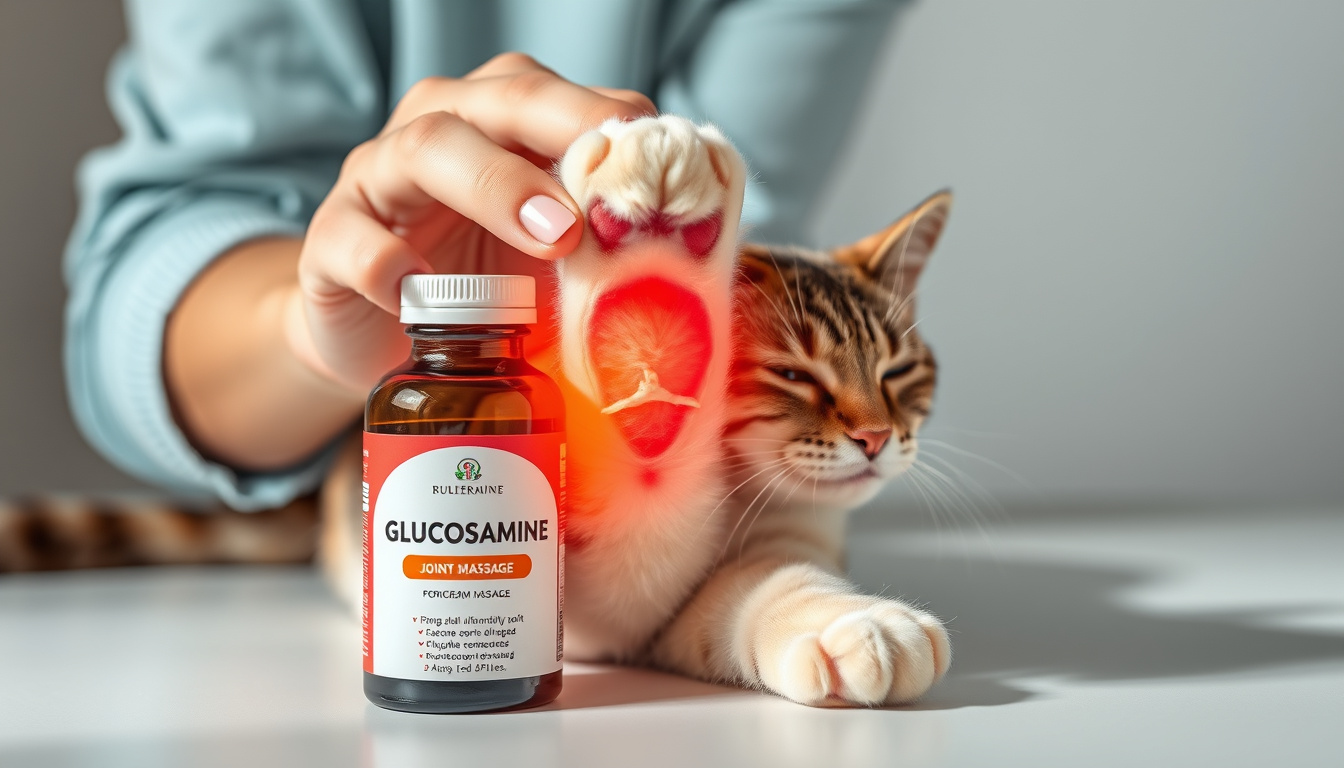
A sample daily routine using feline joint supplements
- Morning: Omega-3 liquid mixed into a tablespoon of wet food.
- Evening: Cat-specific glucosamine/chondroitin chew or liquid dose.
- Weekly: Gentle play session and a short trail of treats to encourage low-impact activity.
When to expect results Patience is key. Some cats show improvement in 4 weeks; others may take up to 12 weeks. If you see no improvement after the expected period, re-evaluate with your vet — you may need a different product, higher-quality ingredients, or additional medical treatment.
One numbered checklist to get started (quick action plan)
- Have your cat examined to confirm arthritis.
- Discuss supplement options and safe dosing with your vet.
- Choose a veterinary-formulated feline joint supplement with clear ingredient labels.
- Implement weight and environmental changes to support joint health.
- Track progress weekly and return for recheck if there’s no improvement in 8–12 weeks.
FAQ — common questions about feline joint supplements Q1: Are feline joint supplements safe for cats? A1: Properly formulated feline joint supplements are generally safe when used at recommended doses, but always consult your veterinarian first. Some ingredients can interact with medications or be contraindicated in certain health conditions.
Q2: What are the best joint supplements for cats (joint supplements for cats)? A2: Look for supplements that combine glucosamine, chondroitin, and omega-3 fatty acids, or products containing green-lipped mussel. The “best” product depends on your cat’s tolerance, palatability, and veterinary guidance.
Q3: How long before I see benefits from cat joint supplements (cat joint supplements)? A3: Many cats show signs of improvement in 4–12 weeks; however, individual response varies. Use a mobility diary to document changes and consult your vet if no progress is seen.
Authoritative resource For an in-depth overview of arthritis in cats and management recommendations, see the Cornell Feline Health Center’s resource on feline arthritis (source).
Conclusion and call to action Feline joint supplements can be a valuable part of an arthritis care plan, helping reduce inflammation, support cartilage, and improve your cat’s comfort and mobility. Start by having your cat evaluated by a veterinarian, choose a high-quality, cat-specific product, and combine supplements with weight control, gentle exercise, and home modifications. Ready to help your cat move with less pain? Talk with your veterinarian about which feline joint supplements are right for your cat, and begin a tailored plan today to restore energy, playfulness, and comfort.
Health Note
Always consult a licensed medical doctor for your joint concerns. If the diagnosis isn’t clear, get an MRI early. For faster results, combine Hotheal Therapy with the nutritional repair of Regenerix Gold to support stronger, non-invasive recovery.


