
Quercetin Breakthrough: Natural Supplement That Supercharges Immunity
by Zestora on Dec 13, 2025

Introduction: a natural boost for modern lives If you’re researching natural ways to support your immune system, quercetin should be on your radar. This plant-based flavonoid has been studied for antioxidant, anti-inflammatory, and antiviral actions that may help the body respond to infections and daily immune challenges. In this article we’ll break down the evidence, explain how to use quercetin safely, show foods and supplements that deliver it, and answer common questions so you can decide if it fits your health plan.
What is quercetin? Quercetin is a bioflavonoid found in many fruits, vegetables, herbs, and teas. It helps plants manage stress, UV damage, and pathogens — and when humans consume quercetin through diet or supplements, it appears to offer protective effects by neutralizing free radicals and modulating immune signaling pathways. Because it’s naturally occurring, many people prefer quercetin as an adjunct to lifestyle steps like sleep, nutrition, and exercise.
How quercetin may supercharge immunity Researchers propose several mechanisms by which quercetin supports immune defenses:
- Antioxidant action: quercetin scavenges reactive oxygen species that can damage immune cells.
- Anti-inflammatory effects: it downregulates pro-inflammatory cytokines, helping prevent excessive immune responses that can impair function.
- Antiviral properties: laboratory and some clinical studies indicate quercetin can inhibit viral entry and replication in certain viruses.
- Immunomodulation: quercetin influences signaling pathways in immune cells, potentially enhancing pathogen clearance while reducing harmful inflammation.
Clinical evidence and what the science says A growing number of clinical trials and reviews examine quercetin’s role in respiratory infections, allergy reduction, and inflammation. Some randomized trials suggest quercetin supplementation can shorten the duration or severity of upper respiratory infections in certain populations, though results vary by dose, formulation, and study design. For a comprehensive review of quercetin’s biological effects and therapeutic potential, see the National Center for Biotechnology Information (NCBI) review (source).
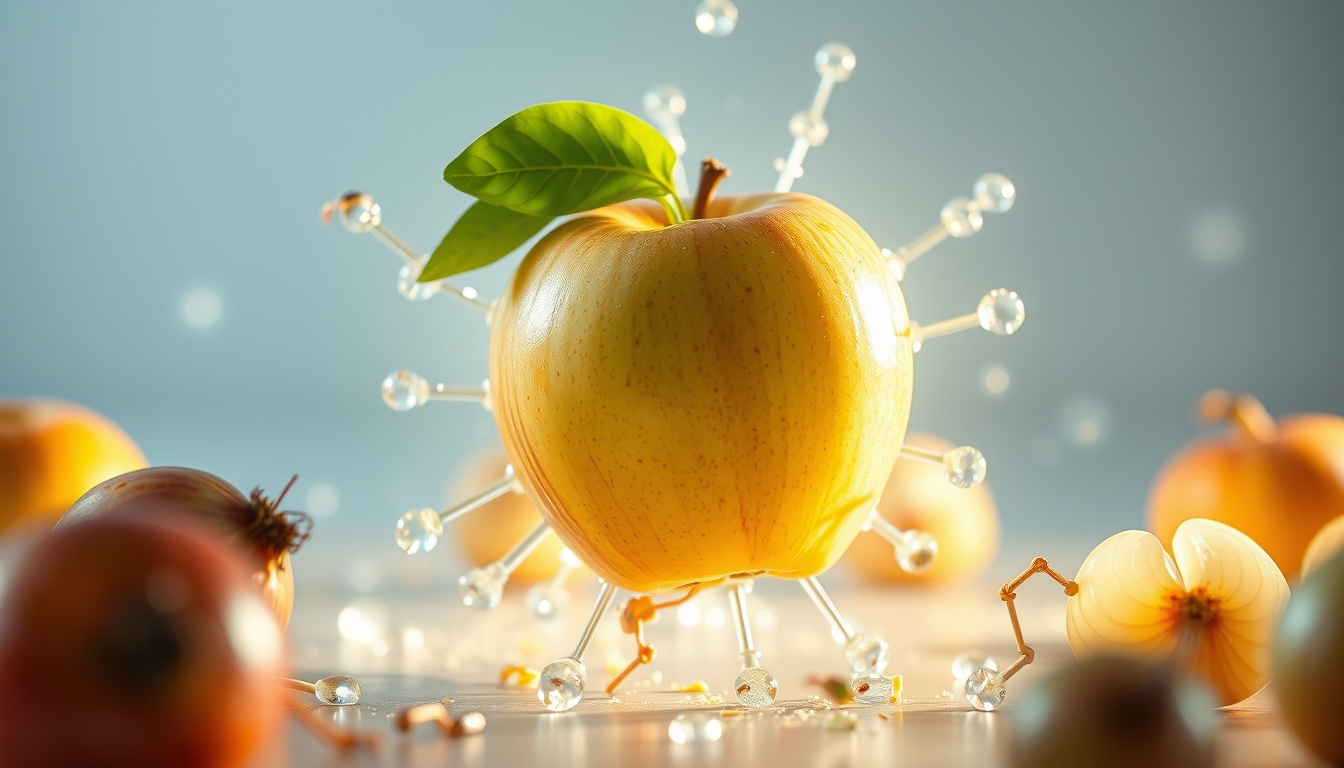
Foods and supplement forms: how to get quercetin You can obtain quercetin from a varied diet or concentrated supplements. Common food sources include apples, onions (especially red onions), berries, grapes, broccoli, citrus fruits, tea, and capers. Supplements come as quercetin dihydrate, quercetin phytosome (a form complexed with phospholipids for better absorption), and combination formulas that include vitamin C, bromelain, or zinc to boost effects.
Practical tips:
- Prioritize whole foods first: adding an apple, red onion to salads, or regular green tea helps maintain steady intake.
- Use standardized supplements when targeting a therapeutic effect; look for third-party testing for purity.
Recommended doses and timing There’s no single universally accepted dose of quercetin. Studies often use 500–1,000 mg per day for adults when testing immune or antiviral effects. Lower dietary intakes are typical through food alone. Because quercetin’s bioavailability can be limited, some formulas pair it with bioavailability enhancers (e.g., phytosome technology, bromelain, or vitamin C). Always start with a lower dose to assess tolerance and consult your healthcare provider if you’re on medications.
Safety, interactions, and side effects Quercetin is generally well tolerated in food amounts. In supplement form, mild side effects can include headache or upset stomach. Quercetin may interact with certain medications (e.g., blood thinners, some antibiotics, and chemotherapy agents) or affect how the liver metabolizes drugs. If you are pregnant, breastfeeding, or have chronic health conditions, consult your clinician before starting quercetin.
Quick comparison: quercetin vs. other immune supplements
- Quercetin — antioxidant, anti-inflammatory, antiviral potential; best as part of a balanced approach.
- Vitamin C — supports immune cell function and antioxidant defenses.
- Zinc — essential for antiviral immunity and wound repair.
- Probiotics — support gut-immune interactions.
Benefits checklist: why people choose quercetin (bulleted list)
- Reduces oxidative stress in immune cells
- Supports balanced inflammatory responses
- May shorten duration or severity of some respiratory infections
- Found in many everyday fruits and vegetables
- Available in enhanced-absorption supplement formulas
How to combine quercetin for better results Quercetin often works synergistically with:
- Vitamin C: supports antioxidant network and immune cell function
- Bromelain: may improve absorption and reduce inflammation
- Zinc: provides complementary antiviral and immune support
Embedded resource: learn more via video Below is a short explainer video that walks through quercetin’s benefits, sources, and practical dosing tips:
<iframe width="560" height="315" src="https://www.youtube.com/embed/lqUsGnM3tAU" title="YouTube video player" frameborder="0" allow="accelerometer; autoplay; clipboard-write; encrypted-media; gyroscope; picture-in-picture" allowfullscreen></iframe>
Real-world use cases and who may benefit
- Busy professionals and travelers: for occasional support during high-exposure periods.
- Athletes: to modulate inflammation after intense training.
- People with seasonal allergies: some evidence suggests quercetin may reduce histamine release.
- Older adults: as part of an overall strategy to maintain immune resilience, under medical guidance.
When NOT to use quercetin Avoid high-dose quercetin supplements without professional supervision if you:
- Take anticoagulants or have clotting disorders
- Are on certain chemotherapy drugs or immunosuppressants
- Are pregnant or breastfeeding (insufficient safety data at high supplemental doses)
Practical buying checklist
- Choose products with third-party testing (USP, NSF, or similar).
- Look for enhanced-bioavailability forms if using supplements therapeutically.
- Check the label for dosage per capsule and serving size.
- Read multi-ingredient formulations carefully to avoid excessive dosing of any single nutrient.
FAQ — quick answers to common questions Q: What are the benefits of quercetin for immunity? A: Quercetin benefits include antioxidant support, reduced inflammatory signaling, and potential antiviral effects that together can help maintain immune function during stress or exposure.
Q: How much quercetin should I take as a supplement? A: Typical clinical doses range from 500–1,000 mg per day, often divided; however, choose a dose and formulation with clinical support, and discuss with your healthcare provider to fit your needs.
Q: Is quercetin safe as an immune supplement long-term? A: Quercetin is generally safe in food amounts. Long-term high-dose supplementation should be supervised, especially if you take medications or have medical conditions; discuss risks and monitoring with your clinician.
Evidence note and authoritative source For an overview of quercetin’s pharmacology and clinical research, refer to the review in the National Center for Biotechnology Information database, which summarizes antioxidant, anti-inflammatory, and antiviral data and highlights areas where more research is needed (source).
Conclusion and call to action Quercetin is a promising natural compound with antioxidant, anti-inflammatory, and possible antiviral effects that can complement lifestyle practices to support immune health. If you’re curious about trying quercetin, start by increasing quercetin-rich foods in your diet, then consider a high-quality supplement with proven bioavailability if you need targeted support. Before beginning any new supplement regimen, consult your healthcare provider — especially if you take prescription medications or have underlying health conditions. Want a practical plan? Talk to your clinician about whether quercetin could fit into your daily routine, and consider trying one reputable supplement for a short trial while tracking how you feel.
Health Note
Always consult a licensed medical doctor for your joint concerns. If the diagnosis isn’t clear, get an MRI early. For faster results, combine Hotheal Therapy with the nutritional repair of Regenerix Gold to support stronger, non-invasive recovery.


