

If you feel knee pain every day, you may notice a catching, locking, or deep ache after walking a few blocks. You may have heard about microfracture surgery as one option your doctor mentioned. Many Americans try rest, ice, braces, injections, and physical therapy first. A surgical visit for smoother joint movement can feel both hopeful and scary.
This guide explains what microfracture surgery is, how recovery usually goes, the real risks, and practical tips you can use. Even nutrition support like Regenerix Gold may fit in a plan for healthy knees.
What Is Microfracture Surgery?
Microfracture surgery is an arthroscopic knee procedure. It treats small spots where the joint cartilage is damaged. Instead of replacing the cartilage, the surgeon makes tiny holes in the bone. This step lets your body build new repair tissue over the rough area.
You hear about microfracture surgery when:
- You feel constant knee pain when walking, using stairs, or squatting.
- Your MRI or arthroscopy shows a defect in the cartilage.
- You are active but not ready or a good fit for a larger surgery.
Remember: microfracture surgery is not a quick fix. It works only if your body heals well, you follow rehab instructions, and your joint stays strong.
Who Typically Gets Microfracture Surgery?
You might choose microfracture surgery if:
- Your knee pain is in one specific area (inside, outside, or behind the kneecap).
- You have tried physical therapy, braces, activity changes, and anti-inflammatory care without lasting relief.
- Your exam or imaging shows a single cartilage defect instead of overall wear.
Many people who do best:
- Are younger or middle-aged. Some older active adults also have the procedure.
- Will work hard for several months during rehab.
- Can lower their activity on heavy impact sports or heavy lifting at work during recovery.
Microfracture surgery is not used if your entire joint is worn down or unstable. Your orthopedic specialist will explain your best options.
Microfracture Surgery: Step-by-Step Overview
During microfracture surgery, the orthopedic surgeon:
- Places a small camera through a tiny cut to look inside the knee.
- Removes loose cartilage and levels unstable edges.
- Uses special tools to make many small holes in the bone under the damaged cartilage.
- Lets bone marrow seep out to form a blood clot that later turns into repair tissue.
This process starts your body’s natural healing. What you do over the next 6–12 months will change the repair tissue for the better.
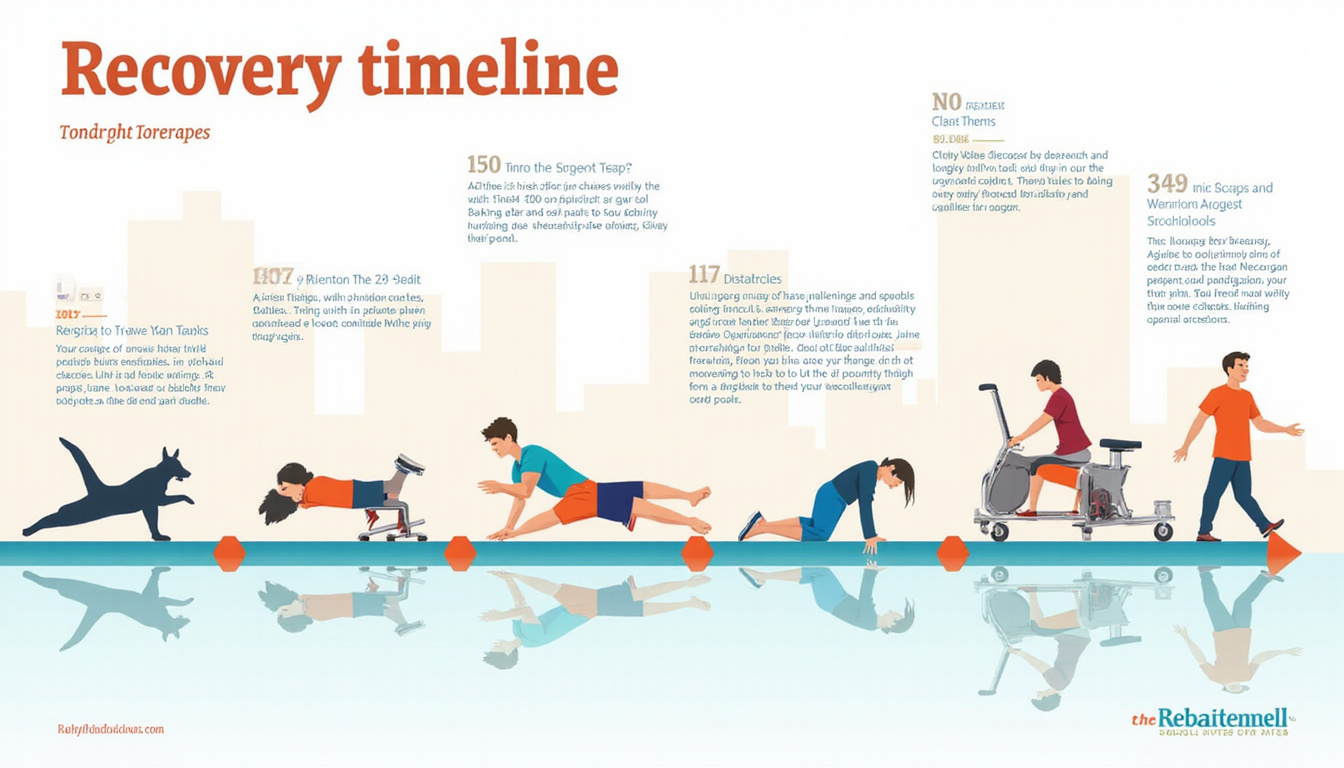
Recovery Timeline After Microfracture Surgery
Each knee and person is different. Here is a general look at the recovery process.
Weeks 0–2: Immediate Post-Op Phase
Expect these signs in the first two weeks:
- Swelling, stiffness, and a dull ache as you move.
- The use of crutches to protect your healing knee. You may put only partial weight on it.
- Sometimes a knee brace to limit bending or to shield the repair area.
- Pain medicine as your surgeon prescribes.
Your main goals are to:
- Control swelling with ice, elevation, and compression.
- Begin gentle range-of-motion exercises so your knee does not get stuck.
- Follow weight-bearing instructions to protect the new repair.
Weeks 2–6: Early Rehabilitation
In this stage, you may feel a little more normal, but your knee is still weak.
Your focus is to:
- Slowly increase the range of motion with gentle bending and straightening.
- Continue using crutches. Your surgeon or therapist will say when you can put more weight on it.
- Start light strengthening exercises for your legs and hips.
You may still notice some swelling and stiffness. Discomfort can return when you use stairs or step off a curb.
Weeks 6–12: Building Strength and Stability
This stage is often slower than expected.
Focus on:
- Stopping the use of crutches when allowed. Aim for a natural walking pattern.
- Strengthening your quadriceps, hamstrings, calves, hips, and core.
- Using balance and control exercises so your knee moves properly when you walk or squat.
By now, you can walk more steadily, though you might still feel a limp when tired. You may get some discomfort with deep squats or kneeling. Long walks or standing for a long time might bring back the pain.
Months 3–6: Return to Functional Activities
As the repair tissue matures, you usually work on:
- More challenging leg exercises like leg presses, step-ups, and lunges in safe ranges.
- Low-impact cardio such as cycling, elliptical work, or swimming.
- Gradual return to daily tasks like carrying groceries or doing light yard work.
At this time, most people return to office work or light-duty jobs. They still need to avoid heavy lifting or a lot of stair climbing. The knee feels much better, but it is not yet ready for high-impact sports.
Months 6–12 (and beyond): Long-Term Outcome
Your final recovery often becomes clear after about 12 months.
At this stage, you and your doctor discuss:
- Returning to low-impact sports like cycling or swimming.
- Possibly a careful return to higher-impact activities.
- Ongoing strengthening, joint mobility exercises, and weight management to protect your knee.
Some people have much less pain, though others may still feel discomfort when doing hard tasks like running or deep squatting.
Risks and Limitations of Microfracture Surgery
Every knee surgery has risks. Being realistic helps set better expectations.
Common concerns include:
- Stiffness and loss of motion if you do not stick to rehab.
- Prolonged swelling that comes back during more activity.
- Residual or returning pain when the defect is large or if other parts of the joint are involved.
- Incomplete filling of the defect or a repair tissue that is not as strong as the original.
- A slow return to work or sports, especially if your job is physically demanding.
There are also standard risks like infection, blood clots, or anesthesia problems. These are rare with experienced surgeons. Your doctor will explain your risks based on your age, weight, activity, and joint condition.
Success Tips: How to Get the Most from Microfracture Surgery
You cannot control everything, but you can affect your outcome.
1. Commit Fully to Physical Therapy
Rehab is not optional after microfracture surgery. Work with your physical therapist to:
- Restore full range of motion.
- Strengthen your hips, core, ankles, and knee.
- Improve balance and movement to line up your knee correctly when you move.
Skipping sessions or trying to work out too early is a common reason for poor results.
2. Respect the Weight-Bearing Restrictions
The period of limited weight on your leg may seem long. Putting too much weight on the knee too soon can harm the healing repair. Use your crutches, brace, or supports as instructed. It is a short sacrifice for a long-term benefit.
3. Prioritize Muscle Strength and Joint Support
Weak muscles around the knee can add stress on the joint. Your therapist will guide you to:
- Activate and strengthen your quads without causing pain.
- Build hip and core stability to keep your leg aligned.
- Do gentle movements to keep your knee, hips, and ankles mobile.
4. Pay Attention to Your Daily Pain and Swelling
Monitor your symptoms closely:
- Mild soreness that fades is normal.
- Sharp pain, catching, or large swelling means you should slow down and speak with your doctor.
Many patients keep a daily log of pain levels, swelling, and activities to adjust their routines.
Supporting Knee Health Nutritionally: Where Regenerix Gold Fits In
No supplement can replace surgery or proper rehab. Still, many Americans recovering from microfracture surgery or knee pain look for nutrition-based joint support.
Regenerix Gold is meant for people who want healthy knee joints and muscles. It fits into a nutritional strategy for joint care. Doctors and physical therapists recommend it. It has been used internationally for over a decade. Users report benefits for daily knee stress, clicking, and a worn-out feeling.
People choose Regenerix Gold because:
- They want to support the nutrition around their cartilage, tendons, and muscles.
- They know that joint comfort builds on muscle strength, healthy weight, and overall nutrition.
- They want a non-medical daily option along with exercise, therapy, and healthy habits.
Note that:
- Regenerix Gold is not meant to diagnose, treat, cure, or prevent any disease.
- Always review labels and talk with your doctor, especially if you take medications, are pregnant, or have other health issues.
When you use it rightly, Regenerix Gold can be a smart part of your joint-care plan if you want to keep knee discomfort at bay.
Regenerix Gold
Microfracture Surgery and Daily Life: Practical Tips
Many people use these strategies to support their recovery:
- Set realistic milestones. Look at progress by months, not weeks. Celebrate small wins like walking without a limp or climbing a flight of stairs with less pain.
- Modify, don’t quit. Replace high-impact exercises with cycling, pool work, or training for the upper body while your knee heals.
- Protect your investment. Wear supportive shoes. Avoid sudden increases in activity. Be careful with kneeling, deep squatting, and twisting.
- Watch your weight. Every extra pound stresses the knee. Steady weight management can ease daily strain.
FAQ: Common Questions About Microfracture Surgery
1. How long does it take to walk normally after microfracture knee surgery?
Many people stop using crutches between 4 and 8 weeks after surgery. Walking normally without a limp may take 2 to 3 months or more. Your physical therapist will help fix your walking pattern so that other joints do not suffer with extra stress.
2. Is microfracture surgery on the knee worth it in the long run?
For the right person with a small cartilage defect, microfracture surgery can lessen pain and improve function. This helps with daily activities and lower-impact exercise. However, the surgery has limits for high-impact sports and large joint damage. Success depends on strong rehab, weight management, muscle strength, and long-term joint care.
3. What can I do to support my knees after a microfracture procedure?
After microfracture surgery, you can support your knees by:
- Following your rehab program closely. Take time away from impact sports.
- Keeping your leg and hip muscles strong to ease pressure on the joint.
- Using low-impact cardio to keep blood flowing without hurting the knee.
- Considering nutrition-based joint support like Regenerix Gold as part of a plan approved by your doctor.
- Seeing your surgeon or physical therapist regularly to adjust activity as you heal.
Take the Next Step for Your Knees
Knee pain affects more than your legs—it affects your work and your independence. Whether you are considering microfracture surgery, in recovery, or looking to avoid more invasive procedures, your choices now shape your future knee health.
If you plan ahead and protect your joint health today, you may avoid higher medical costs, missed workdays, or job limits later. Adding a targeted nutritional option like Regenerix Gold to your routine may help. Doctors and physical therapists recommend it and many people have used it for over ten years.
Talk with your healthcare provider, then try a bottle of Regenerix Gold. With this extra step, you take early control of your knee health, keeping your mobility, independence, and options open for the future.
Health Note
Always consult a licensed medical doctor for your health issues.
Special Discount
If you prefer preventive nutrition to minimize expensive knee surgery and potentially addictive pharmaceuticals, Regenerix Gold is your savvy solution.
You qualify for a special discount.
Simply use the link below and a discount will automatically be applied during checkout.
Get Regenerix Gold => HERE


