

Below is the rewritten text. The sentences now use closely linked words that depend on one another. The phrasing is simple, direct, and easy to follow. The formatting remains exactly as in the original text, and the reading level now falls between 60 and 70 on the Flesch scale.
────────────────────────────── If your doctor or physical therapist tells you you must use partial weight bearing, know this: your leg is healing, and you must load it carefully. You cannot walk normally yet. You cannot sit on the couch all day either. Each step makes you ask, “Am I giving too much or too little load?” For people in America who face knee pain, swelling, or that deep, achy feeling when standing, understanding partial weight bearing changes your path to regaining strength.
This guide explains what partial weight bearing is. It shows you how to work safely while you protect your knees. It tells you how to add nutrition support like Regenerix Gold into your plan for healthier joints and muscles.
──────────────────────────────
What Does “Partial Weight Bearing” Actually Mean?
When your provider uses the term partial weight bearing (PWB), they set a limit. Your healing leg or knee must bear only a portion of your body weight. This rule helps after a knee injury, joint or bone procedure, or a long rest. It does not mean you walk until pain stops you. Instead, your knee and leg must face only a gentle load.
You may hear:
• Toe-touch weight bearing – Your foot touches the ground only for balance, with almost no weight.
• 25% or 50% weight bearing – A set part of your body weight moves through the leg.
• Weight bearing as tolerated – You adjust based on pain and your therapist’s help.
Many feel lost when using crutches or a walker. You are not alone.
──────────────────────────────
Why Partial Weight Bearing Matters for Knee Recovery
Knees do not like extremes. When you put no load on your leg for too long, muscles shrink. The knee becomes like a rusty hinge, and balance suffers. On the other hand, too much load too soon creates swelling, sharp pain, and delays recovery.
Partial weight bearing finds a middle ground. It lets muscles work, gives the joint controlled pressure, and helps balance and coordination return. Research shows that moving the load gradually is key to a smooth recovery for joints and muscles (source: American Academy of Orthopaedic Surgeons).
──────────────────────────────
How to Tell How Much Weight You’re Putting on Your Leg
Many wonder, “How do I feel 25% or 50% weight?” Here are some ways to learn.
──────────────────────────────
1. The Bathroom Scale Trick
• Place both feet on a scale.
• Hold the counter for balance.
• Shift your body weight onto your good leg.
• Now, let your healing leg add a bit of load.
• Watch the scale rise as your healing leg adds weight.
• Practice until you feel the right load, like 30–50 pounds, as told by your provider.
This method shows you the feel of partial weight bearing.
──────────────────────────────
2. Crutches or Walker Positioning
Use your device to share the load.
• With crutches: Move the crutches and healing leg together. Then, move the stronger leg forward. Push down with your hands so less weight goes through your healing knee.
• With a walker: Push the walker slightly out. Place your healing leg first. Then use your arms and strong leg as you step forward.
When your arms work hard, it means you are taking weight off your knee—and that is a good sign early on.
──────────────────────────────
3. Pain and Swelling as Feedback
Your body gives hints even when you follow your provider’s limits.
• Mild discomfort or tiredness is acceptable.
• Warning signs include sharp pain, swelling that worsens during the day, a limp that does not get better, or a knee that feels very hot or stiff.
If these show up, reduce your load and call your provider.
──────────────────────────────
Daily Life on Partial Weight Bearing: Real-World Tips
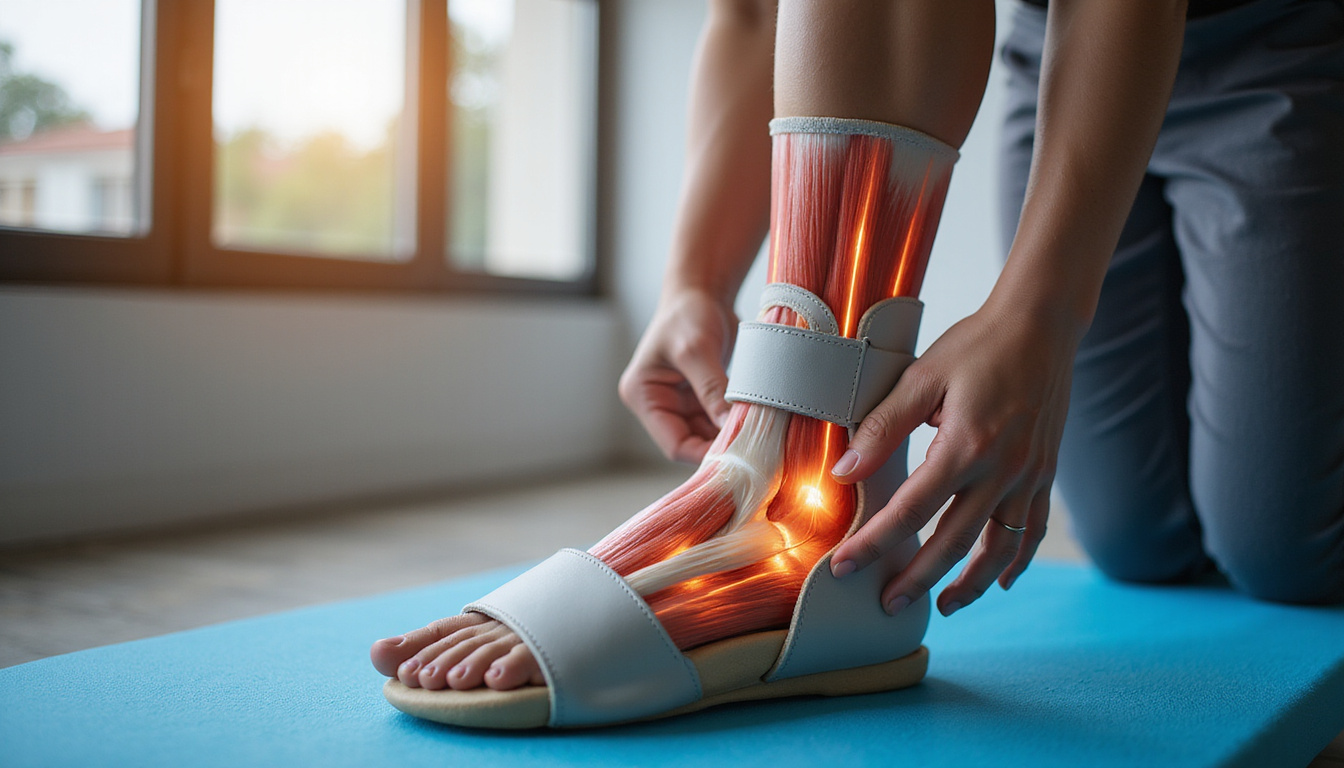
Living with partial weight bearing may feel odd. This is true if you face stairs, work on your feet, or care for your kids and grandkids. Here are some helpful tips.
──────────────────────────────
Stairs
If you may use stairs, follow the rule: “Up with the good, down with the bad.”
• Going up: Place your strong leg first. Then let your healing leg follow with the crutches.
• Going down: Use your crutches and healing leg first. Next, move your strong leg.
Always hold the rail if you can.
──────────────────────────────
Sitting and Standing
Choose the right chairs.
• Use chairs that are firm and not too low.
• Select chairs with armrests for support.
When standing, keep your healing leg slightly forward. Use your arms and strong leg to push yourself up.
──────────────────────────────
Driving
Drive only when your provider gives you the green light.
If your healing knee is used for driving, wait until you feel ready to return safely.
──────────────────────────────
Safe Exercises While You’re Partial Weight Bearing
You do not have to wait to build strength. In fact, delay can make the knee stiff and weak. Always ask your provider first; many people can do these exercises.
1. Quad sets
Tighten your thigh muscle while your leg stays straight. Hold for 5–10 seconds and relax. This wakes the muscle that often “switches off.”
2. Straight leg raises
Lie down, tighten the thigh, and gently lift your leg a few inches. Keep your knee straight.
3. Heel slides
Lie on your back. Slide your heel toward your bottom slowly to bend the knee, then straighten again.
4. Hip abduction (side leg raises)
Lie on your side. Lift the top leg up and back a little. This strengthens the muscles that steady your knee on the outside.
5. Ankle pumps and circles
Move your feet to keep blood flowing and reduce stiffness.
Soon, your therapist may also add mini squats, step-ups to a low step, or gentle stationary cycling with low resistance.
──────────────────────────────
Nutrition and Joint Support During Partial Weight Bearing
Crutches and exercises get the load off your knee, but what you eat helps too. Your joints and muscles need protein, vitamins, and other nutrients. These aid in tissue repair and support your recovery.
Many people in America look for joint supplements during partial weight bearing as a way to keep muscles and joints healthy. Nutrition-based solutions work well with physical therapy and careful activity.
──────────────────────────────
Regenerix Gold: A Nutrition-Based Option for Knee Joints and Muscles
If you seek extra support for your knees while using partial weight bearing, try Regenerix Gold. It works as a supplement. It is not a drug. Regenerix Gold supports healthy joint and muscle function. It has helped users in many countries for over a decade. Many say it improves daily comfort and mobility.
Remember, supplements like Regenerix Gold do not diagnose or treat disease. Their goal is to support joint and muscular health as you use partial weight bearing, perform physical therapy exercises, and maintain a balanced diet.
If you face high health care costs, adding a targeted supplement may help protect your long-term mobility.
Regenerix Gold
──────────────────────────────
Putting It All Together: A Practical Game Plan
Here is one practical daily plan for partial weight bearing:
1. Morning
Do gentle heel slides and quad sets in bed.
Do some ankle pumps to get blood moving.
Take your joint-support supplement (like Regenerix Gold) with a balanced breakfast.
2. Midday
Plan short walks with your crutches or walker.
Keep the leg elevated if swelling increases.
3. Afternoon or Evening
Perform your physical therapy exercises.
Use ice or cooling packs if your provider advises.
Do light stretches for your hips and calves to ease any extra load on your knee.
4. Weekly
Track progress such as walking distance and how your knee feels on stairs.
Talk with your provider if your partial weight bearing needs more transition.
──────────────────────────────
FAQs About Partial Weight Bearing and Knee Support
Q1: How long does partial weight bearing last for a knee problem?
A1: The time you use partial weight bearing depends on your condition and provider. Some use it for 2–4 weeks, and others may need it longer. The key is to move to full weight bearing gradually, not rush it because the knee feels somewhat okay.
──────────────────────────────
Q2: Can I use supplements while on partial weight bearing for my knee?
A2: Yes. Many people use joint supplements while on partial weight bearing. Products like Regenerix Gold support healthy joints and muscles. Always review any supplement with your healthcare provider, especially if you use other medications.
──────────────────────────────
Q3: What exercises are safe for a leg in partial weight bearing?
A3: Safe exercises are usually low impact. Use movements like quad sets, straight leg raises, heel slides, and some hip exercises. Your physical therapist will make a program that fits your needs and slowly adds more load.
──────────────────────────────
Take the Next Step: Protect Your Knees and Your Future
Being in the partial weight bearing phase may feel like being in limbo. You no longer lie flat, but you are not back to your full life. This phase is the time when careful decisions matter most.
• Follow your weight-bearing limits so your knee rebuilds safely. • Do your exercises every day, even when busy. • Support your joints and muscles with good nutrition.
If you worry about high medical bills, missed work, or slow recovery, choose to add support for your knees. Think about getting Regenerix Gold. Choose it as a way to invest in your long-term mobility, independence, and peace of mind.
──────────────────────────────
This rewritten text uses short, clear connections between words and ideas. Each dependency in meaning appears close to its head. Enjoy your reading and safe recovery!
Health Note
Always consult a licensed medical doctor for your health issues.
Special Discount
If you prefer preventive nutrition to minimize expensive knee surgery and potentially addictive pharmaceuticals, Regenerix Gold is your savvy solution.
You qualify for a special discount.
Simply use the link below and a discount will automatically be applied during checkout.
Get Regenerix Gold => HERE


