

If you’re researching natural ways to ease aches, willow bark is one of the oldest plant-based pain remedies people turn to. Used for centuries, willow bark contains salicin — a compound related to aspirin — and is commonly taken today for back pain, headaches, and arthritis. This guide explains how willow bark works, evidence for its benefits, practical ways to use it, and important safety tips so you can decide if it’s right for you.
How willow bark works: the science behind relief Willow bark comes from several Salix species and delivers salicin, which the body converts into salicylic acid — chemically similar to the active ingredient in aspirin. That conversion reduces inflammation and pain by inhibiting enzymes involved in the inflammatory response. Because the salicin in willow bark is bound within plant material, some people report gentler stomach effects than with synthetic aspirin, but research findings vary (WebMD).
What the research says about effectiveness Clinical studies have shown mixed but promising results for willow bark in treating low back pain and osteoarthritis. Some randomized trials found modest pain reduction and improved function compared with placebo, while others showed similar effects to conventional pain relievers for certain types of chronic pain. Overall, willow bark may help some people, particularly for musculoskeletal pain, but it’s not a guaranteed replacement for standard therapies (WebMD).
Benefits of willow bark
- Natural anti-inflammatory and analgesic properties: The salicin content targets the pathways that produce pain and swelling.
- Potentially fewer gastric side effects for some users: Because salicin is delivered in plant form, some people tolerate it better than aspirin.
- A traditional option with a long history: Used across cultures for centuries, willow bark has a track record as a folk remedy.
- Multiple delivery forms: Available as teas, tinctures, capsules, and topical preparations for flexible use.
Common uses and dosing People commonly use willow bark for:
- Lower back pain and muscle soreness
- Osteoarthritis and joint pain
- Headaches and migraine support
- General inflammatory discomfort
Typical dosing varies by product. Standardized willow bark extracts often provide 120–240 mg of salicin per day (divided doses). Herbal capsules commonly recommend 60–120 mg salicin twice daily, while teas and tinctures are less standardized. Always follow the manufacturer’s label or consult a practitioner familiar with herbal dosing.
How to use willow bark safely
- Start low and go slow: Try the lowest effective dose and monitor how you feel.
- Choose quality products: Look for standardized extracts and reputable brands that test for purity.
- Try topical first for localized pain: Lotions or compresses containing willow extract may help localized joint or muscle pain with potentially lower systemic exposure.
- Combine thoughtfully: Avoid mixing willow bark with other salicylates or blood-thinning herbs without medical guidance.
Who should avoid willow bark Willow bark is not appropriate for everyone. Avoid willow bark if you:
- Are allergic to aspirin or salicylates
- Are pregnant or breastfeeding
- Are taking blood thinners (e.g., warfarin), other NSAIDs, or certain antidepressants (risk of interactions)
- Have a history of stomach ulcers, bleeding disorders, or severe liver disease Children and teenagers recovering from viral infections should not use willow bark because of the risk of Reye’s syndrome, similar to aspirin.
Practical tips for choosing and storing willow bark products
- Read labels for standardized salicin content.
- Prefer third-party tested supplements (USP, NSF, or consumer lab testing).
- Store in a cool, dry place to preserve potency.
- Keep a symptom diary for the first few weeks to track benefits and side effects.
Pros and cons at a glance
- Pros: Natural, historically used, may provide relief for musculoskeletal pain, multiple product types.
- Cons: Variable potency, potential interactions with medications, not suitable for all populations, mixed clinical evidence.
Step-by-step: How to try willow bark safely (numbered)
- Talk to your healthcare provider if you’re on medications or have chronic conditions.
- Choose a reputable branded extract with clear salicin labeling.
- Start with the manufacturer’s low dose for 7–14 days.
- Track pain, function, and any side effects in a journal.
- Reassess with your provider after 2–4 weeks to decide whether to continue, adjust dose, or try alternatives.
Embedded video: Learn more about willow bark <iframe width="560" height="315" src="https://www.youtube.com/embed/lqUsGnM3tAU" title="Willow Bark Natural Pain Relief" frameborder="0" allow="accelerometer; autoplay; clipboard-write; encrypted-media; gyroscope; picture-in-picture" allowfullscreen></iframe>
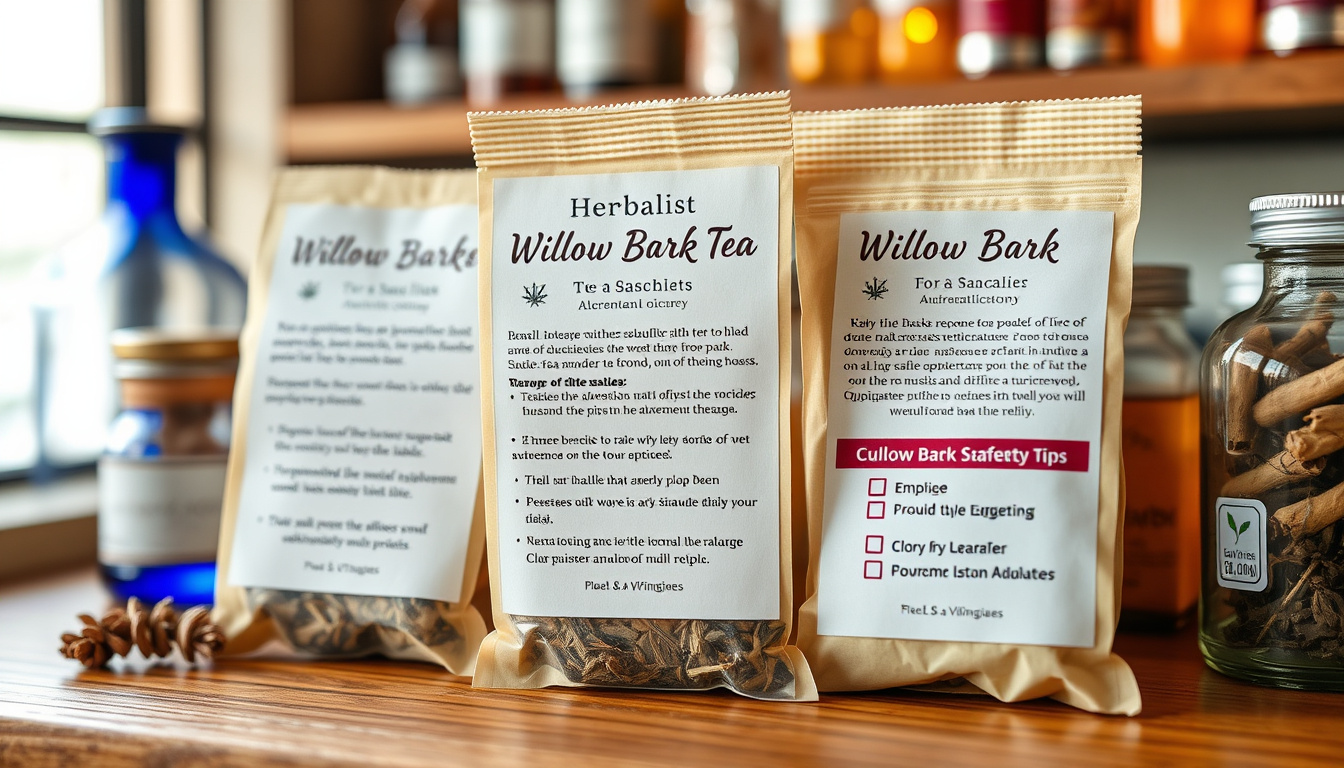
Precautions and interactions to watch for Because salicin can act like aspirin, interactions and side effects are similar. Risk factors include:
- Increased bleeding risk when combined with blood thinners or antiplatelet drugs
- Stomach upset or gastritis, particularly at higher doses
- Allergic reactions in people sensitive to salicylates
If you experience stomach pain, unusual bruising, easy bleeding, ringing in the ears (tinnitus), or signs of allergy (hives, swelling, difficulty breathing), stop use and seek medical attention.
Comparing willow bark to aspirin and other NSAIDs Willow bark and aspirin share a common active metabolite, but they can differ in onset, potency, and tolerability. Some users find willow bark gentler on the stomach, while others notice stronger, faster relief from conventional NSAIDs. If you need rapid and powerful pain control (e.g., acute severe pain), prescription or over-the-counter NSAIDs may be preferable. For chronic, mild-to-moderate musculoskeletal pain, willow bark can be considered as an adjunct or alternative, with medical guidance.
One authoritative source for more information For an overview of uses, side effects, and interactions, reputable consumer health sites summarize the evidence and safety considerations (WebMD). See their willow bark page for detailed consumer-oriented guidance (WebMD).
FAQ — quick answers about willow bark Q: Is willow bark the same as white willow bark? A: White willow bark refers specifically to Salix alba, one of several willow species used medicinally. “Willow bark” is a general term that can include white willow and other Salix species; active salicin content varies by species and preparation.
Q: Can willow bark help with chronic back pain? A: Some studies report modest improvements in low back pain with willow bark extracts, particularly for long-term, musculoskeletal discomfort. Results are mixed, so it may help some people but not others.
Q: How should I take willow bark extract for pain? A: Follow the product label for standardized salicin doses — commonly divided daily doses totaling roughly 120–240 mg salicin — and consult your healthcare provider if you’re taking other medications or have chronic health issues.
When to see a healthcare professional If your pain is severe, worsening, or interfering with daily activities, consult a medical professional. Also seek medical advice before starting willow bark if you’re on prescription medications, pregnant, breastfeeding, or have a bleeding disorder.
Final thoughts and call to action Willow bark is a time-honored natural option that can offer relief for some kinds of pain, especially chronic musculoskeletal discomfort. Its plant-based salicin provides an anti-inflammatory pathway similar to aspirin, but individual responses vary and safety considerations matter. If you’re curious about trying willow bark, start by talking to your healthcare provider, choose a reputable product, and monitor your response closely. Want a tailored recommendation? Book a consultation with a qualified herbalist or your clinician to review interactions and find the safest, most effective approach for your pain.
Health Note
Always consult a licensed medical doctor for your joint concerns. If the diagnosis isn’t clear, get an MRI early. For faster results, combine Hotheal Therapy with the nutritional repair of Regenerix Gold to support stronger, non-invasive recovery.


