

If you’re a teacher who spends most of the day on your feet, anti‐fatigue mats work like a small miracle on your classroom floor.
They help your feet, knees, and lower back as you stand by the whiteboard, move among groups, or work at your document camera.
Every step, every shift, and every stop builds up over time.
It can bring aches, stiffness, and tiredness at the end of the day that even follow you home.
This guide addresses American teachers—classroom teachers, specials, and support staff.
It gives practical, budget-friendly ways to ease discomfort using anti‐fatigue mats and joint/muscle support supplements such as Regenerix Gold.
Why standing all day in school hits different
Most jobs that let you stand give you breaks or natural movement.
Teaching does not.
You stand during direct instruction.
You hover over lab tables and centers.
You monitor hallways and bus duty.
You supervise lunch or recess.
You also stand at assemblies, concerts, and events.
You often stand on hard surfaces like waxed tile, concrete, or old linoleum.
Over time, standing this way can cause:
- Sore feet by the end of a class
- Tight calves and hamstrings during “stand-and-deliver” lessons
- Achy knees during hall duty
- A stiff lower back when you finally sit to grade or write IEP notes
Anti‐fatigue mats are a simple, affordable classroom hack.
They reduce strain when used with healthy movement habits and joint/muscle support.
How anti‐fatigue mats actually work (in teacher terms)
Imagine you lecture on a gym mat instead of bare concrete.
Anti‐fatigue mats sit in between.
They are firm for stability and soft enough to ease each step.
An anti‐fatigue mat works by:
- Encouraging subtle movement.
The mat’s cushion nudges your ankles and leg muscles to adjust slightly.
This keeps blood flowing and stops it from pooling. - Reducing stress on joints.
The softer surface lessens the impact when you shift your weight.
This helps your feet, knees, hips, and lower back feel better. - Distributing pressure.
The mat spreads your weight evenly across your foot instead of focusing it on one spot.
Research shows that supportive surfaces and movement reduce fatigue and discomfort.
Anti‐fatigue mats offer a practical, classroom-friendly method to set that in motion.
(source: NIOSH/CDC)
Top spots in your classroom for anti‐fatigue mats
You do not need to cover every inch of your floor.
Place the mats in key spots.
Consider these teacher zones:
-
Primary teaching zone
Place a mat in front of your whiteboard, SMART Board, or main wall.
You will stand here for short lessons, modeling, and direct instruction. -
Document camera or demo station
Stand on a mat when you model writing, solve equations, or demo labs.
This area sees high use and is often bare tile. -
Small-group table or reading corner
Use a mat by your kidney table when you confer or support station work.
This saves your legs during back-to-back small groups. -
Doorway / hallway check-in spot
A narrow mat works well if you greet students or monitor the hall.
It helps cut down on tired, heavy legs during hall duty. -
Specials and lab spaces
Art rooms, science labs, music spaces, and tech labs can be tough on your legs.
A mat near the demo area makes a big difference.
Types of anti‐fatigue mats: Which Is Best for Teachers?
When you browse anti‐fatigue mats, you may feel overwhelmed.
Here are the main types explained with your day in mind.
1. Foam anti‐fatigue mats
Best for budget‐conscious teachers in light-to-moderate use areas.
-
Pros
• They are inexpensive and easy to replace.
• They are lightweight and easy to move.
• They offer a soft underfoot feel. -
Cons
• They may compress over time and lose support.
• They are less durable with rolling chairs or carts.
• They may trip or curl at the edges if poorly made.
Teacher tip:
These mats work well at your primary teaching spot, especially if you must use personal funds.
2. Gel or foam-core kitchen-style mats
Best for high-use zones like your main teaching station.
-
Pros
• They offer comfortable and supportive cushioning.
• They typically have beveled edges to lower tripping risk.
• They are durable for daily use. -
Cons
• They cost more than basic foam mats.
• Some finishes might be slippery if wet.
Teacher tip:
Many teachers repurpose a “chef’s mat” from home because it blends with professional decor.
3. Rubber industrial-style mats
Best for labs, art rooms, CTE, tech, and messy spaces.
-
Pros
• They are very durable and often slip-resistant.
• They handle spills and frequent cleaning well.
• They work well near sinks, paints, or lab materials. -
Cons
• They are heavier and less cushy than gel mats.
• They have a utilitarian look.
Teacher tip:
If you teach hands-on subjects, these mats can be a workhorse.
4. Interlocking tiles
Best for flexible setups, makerspaces, and multi-use areas.
-
Pros
• They let you customize shapes and coverage.
• They can cover larger spaces or lanes.
• You can easily replace a single tile if it is damaged. -
Cons
• Their seams can catch dirt or rolling furniture.
• They may shift unless locked or taped down.
Teacher tip:
These tiles are handy in rooms with changing layouts like makerspaces or rehearsal zones.
What to Look for When Buying an Anti‐Fatigue Mat (Teacher Checklist)
Before you click “add to cart,” check these features:
• Thickness (usually about 3/4″)
It must cushion, yet not make you feel wobbly.
• Firmness
It should have a gentle give.
Your feet need support without sinking.
• Surface Texture
A slight texture gives grip.
Avoid overly slick finishes, especially near sinks.
• Beveled Edges
Tapered edges reduce tripping.
They also help rolling carts move smoothly.
• Size and Shape
• A mat around 20″ x 30″ works for a teaching zone.
• Long runners suit hall duty or lab tables.
• Ease of Cleaning
In school, spills and marker stains are common.
• Color and Look
Neutral colors blend in and avoid admin concerns.
• Budget and Durability Balance
Balance the cost with hours of use each week.
Using Anti‐Fatigue Mats Safely and Effectively
Anti‐fatigue mats work best as part of a broader movement plan.
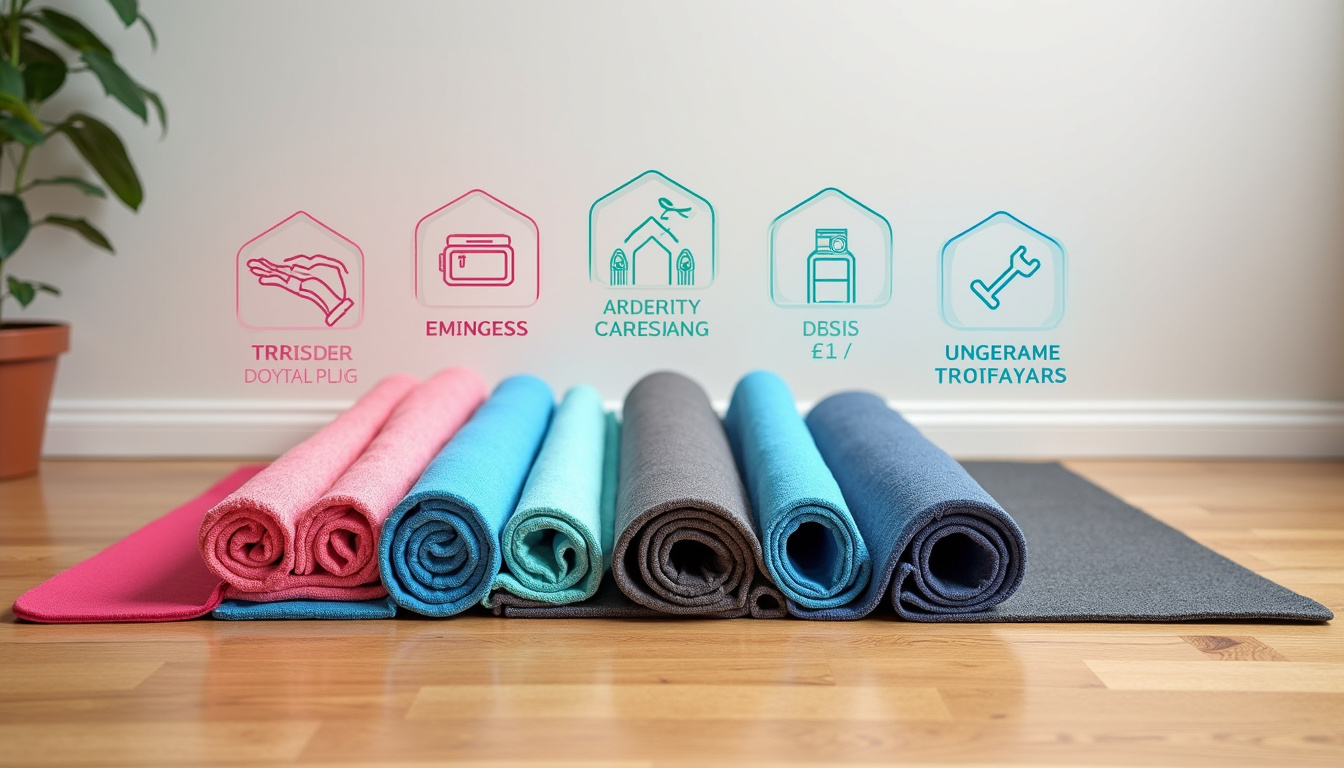
Combine mats with these habits:
• Rotate between standing and sitting.
Use your rolling stool or sit at your doc cam when possible.
Build in short “turn-and-talk” moments to sit.
• Change positions often.
Shift your stance and walk a bit.
Avoid locking your knees.
• Wear supportive shoes.
A mat cannot fix worn-out shoes that lack cushioning.
• Check for trip hazards.
Make sure the mat lies flat and that students do not run over its raised edges.
• Communicate with custodial staff.
Let them know the mat’s purpose and how best to handle it during cleaning.
Beyond Mats: Supporting Your Joints and Muscles Like a Pro
Anti‐fatigue mats ease strain while you stand.
But your body also works hard outside the classroom from bell to bell.
You cover miles with every school day and later at home.
Teachers often add more strategies for joint and muscle wellness:
• Stretch gently before and after school
• Take short movement breaks between classes
• Use active commuting when possible
• Stay hydrated and eat well during the day
• Build strength and mobility outside school hours
Some educators also use dietary supplements to support joint and muscle health.
Supplements do not diagnose or treat disease.
They may help when added to a balanced routine.
Regenerix Gold is one such supplement.
It supports overall joint and muscle wellness alongside mats, supportive shoes, and movement habits.
Regenerix Gold
Always talk with your healthcare provider before starting a new supplement.
This is especially important if you are pregnant, nursing, on medication, or have health conditions.
Sample Classroom Setup: An “Anti‐Fatigue” Day in Action
Picture this simple schedule with anti‐fatigue mats:
-
1st & 2nd Period – Direct Instruction
You stand on a cushioned mat at the board.
You step off only to circulate.
Your feet and back feel better during back-to-back classes. -
3rd Period – Lab or Stations
A rubber-style mat on your demo table softens the strain.
You use it when you demonstrate procedures or support groups. -
Lunch Duty
A narrow runner in the hallway saves your legs while you monitor traffic and chat. -
Afternoon Small Groups
A mat beside your kidney table keeps you comfortable as you support reading or math.
By the final bell, you have stood for hours.
Yet with these mats, you feel less heaviness and soreness.
You have more energy for your life after school.
FAQ: Teachers’ Questions about Anti‐Fatigue Mats
Q1: Are anti‐fatigue mats really worth it for teachers?
Most teachers find them valuable.
They do not replace good shoes or habits but can ease discomfort on hard floors.
Q2: What are the best anti‐fatigue mats for classroom use?
Medium‐firm gel or foam-core mats with beveled edges and a non-slip surface are often best.
Labs and art rooms may use thicker rubber mats that handle spills well.
Q3: How do I keep my anti‐fatigue mat from becoming a tripping hazard?
Choose mats with tapered, beveled edges.
Place them where foot traffic is predictable, such as your teaching spot or demo station.
Ensure they lie flat and check regularly for curled corners.
Teach Longer, Stand Smarter: Why Teachers Are Upgrading to Mats and More
Every year, you invest in your students with your time and care.
Taking care of your body is part of professional longevity.
Anti‐fatigue mats offer a simple upgrade that changes how your feet, legs, and back feel by the last bell.
Pair mats with supportive footwear, regular movement, and a proper joint/muscle routine.
Consider a premium supplement like Regenerix Gold as part of your wellness plan.
Regenerix Gold supports joint and muscle health for active professionals.
It shows you value your health and plan for a sustainable career—one where you keep teaching without feeling worn out.
Set up an anti‐fatigue mat in front of your board.
Review your wellness routine.
Give your future self the care you give your students every day.
Health Note
Always consult a licensed medical doctor for your health issues.
Special Discount
If you prefer preventive nutrition to minimize expensive knee surgery and potentially addictive pharmaceuticals, Regenerix Gold is your savvy solution.
You qualify for a special discount.
Simply use the link below and a discount will automatically be applied during checkout.
Get Regenerix Gold => HERE


