
teacher joint health: Classroom-friendly stretches to end chronic pain
by Zestora on Dec 18, 2025

For many educators, teacher joint health is not a distant idea. It is an issue today. You stand for long hours, walk quickly between rooms, and lean over piles of papers. You sit in long meetings and grade for hours. If your knees ache on stairs, your neck hurts at dismissal, or your lower back tightens by lunch, you are not alone. Simple, teacher-friendly stretches and good daily habits can help your joints and muscles feel better during and after school.
Below is a practical guide you can use between bells—no gym clothes, yoga mat, or empty prep period needed.
Why teacher joint health matters more than you think
Teaching is hard work for both the brain and the body. You stand for long periods. You sit on chairs too small for you. You twist to write on whiteboards. You carry heavy laptops and papers. You supervise students on recess, bus duty, or in the hall.
These tasks can strain your joints and muscles over time. They affect your:
- Neck and shoulders (from whiteboards and computers)
- Lower back and hips (from standing and bending)
- Knees and ankles (from walking and stairs)
- Wrists and fingers (from typing and writing)
Good joint health supports not just comfort but also your energy and care for students. When your body feels better, you teach better.
The teacher’s daily “wear and tear” checklist
Listen to your body if you notice:
- A deep sigh when you sit at your desk.
- A stiffer back as the day ends.
- A sore neck after long meetings or video calls.
- A reluctance to use the lower board.
- A dread for standing during assemblies or open houses.
These are signs that your body needs more movement, better alignment, and supportive habits. These habits include proper hydration, stretching, and if needed, nutritional support.
Ground rules: Classroom-friendly stretching for real teachers
The stretches in this guide work with real teacher life. They are designed to be short and simple.
- You do them in your work clothes.
- Most take 30–90 seconds between tasks.
- No floor work or yoga mat is needed.
- You can do them while monitoring a warm-up or dismissal line.
Important:
Stop if a stretch causes sharp pain. Listen to your body. If your symptoms worsen or remain, speak with a healthcare professional before trying new exercises or supplements.
Quick neck and shoulder resets between lessons
Looking down at work and craning toward the projector can tighten your neck and shoulders. Use these micro-breaks:
1. “Bell Schedule” Neck Release (30 seconds per side)
- Stand or sit tall at your podium.
- Drop your right ear toward your right shoulder.
- For a deeper stretch, rest your right hand lightly on your left temple.
- Hold for 20–30 seconds while keeping an eye on the room.
- Repeat on the other side.
2. Whiteboard Shoulder Opener
- Stand facing your desk or a sturdy chair.
- Place both hands on the surface, shoulder-width apart.
- Step back and hinge at your hips.
- Let your chest drop while you keep your arms straight.
- Hold for 20–30 seconds while students copy instructions.
Back and hip stretches you can sneak in during “turn and talk”
Your lower back and hips bear the strain of standing, bending, and sitting in small chairs.
3. “Hall Duty” Hip Hinge
- Stand with your feet hip-width apart behind your desk.
- Keep a slight bend in your knees.
- Hinge forward from your hips, not your waist.
- Let your upper body fold over your thighs.
- Let your arms dangle or rest on the desk.
- Breathe deeply for 20–40 seconds, then roll up slowly.
4. Seated Figure-Four (Desk Chair Stretch)
- Sit near the front of your chair with your feet flat.
- Cross your right ankle over your left knee, forming a figure four.
- Keep your back straight and lean forward slowly.
- Feel the stretch in your right hip and glute.
- Hold for 20–30 seconds, then switch sides.
- Do this while listening to a group or during independent reading.
Knee- and ankle-friendly movements for stairs and hallway duty
Simple moves can help if stairs, recess, or walking in halls make your knees or ankles hurt.
5. Standing Calf and Ankle Stretch
- Face the wall or your classroom door.
- Place both hands on the wall for support.
- Step one foot back with the heel on the ground and leg straight.
- Bend your front knee and lean gently forward.
- Hold for 20–30 seconds, then switch sides.
- Option: Gently bend and straighten the back knee to change the stretch.
6. Micro Chair Squats
- Stand in front of your teacher chair with feet shoulder-width apart.
- Push your hips back as if to sit.
- Keep a small bend in your knees—only go as far as you feel comfortable.
- Lightly tap the chair with your hips, then stand up again.
- Repeat 8–10 times while students line up.
- Keep your knees in line with your toes.
Wrist, hand, and forearm stretches for the grading grind
Long hours of typing and editing can tighten your hands and wrists.
7. Desk Edge Wrist Stretch
- Stand or sit at your desk.
- Place your palms on the edge with your fingers pointing at you.
- Lean back slowly while keeping your palms in place.
- Feel the stretch in your forearms.
- Hold for 15–20 seconds, then rest and repeat once or twice.
8. “Post-Email” Finger Spread
- Extend one arm with your palm facing you.
- Use the other hand to gently pull each finger back one by one.
- Hold each finger for 5–10 seconds.
- Then switch hands.
- This stretch is a good reset after long periods of writing.
A simple between-period stretch routine (5 minutes or less)
Complete this mini-routine once per day—perhaps right after lunch or before your busiest class—to boost your joint health:
- Neck Release – 30 seconds each side
- Whiteboard Shoulder Opener – 30 seconds
- Hip Hinge – 30 seconds
- Seated Figure-Four – 20 seconds each leg
- Standing Calf Stretch – 20 seconds each leg
- Desk Edge Wrist Stretch – 20 seconds
Total time: about 4–5 minutes.
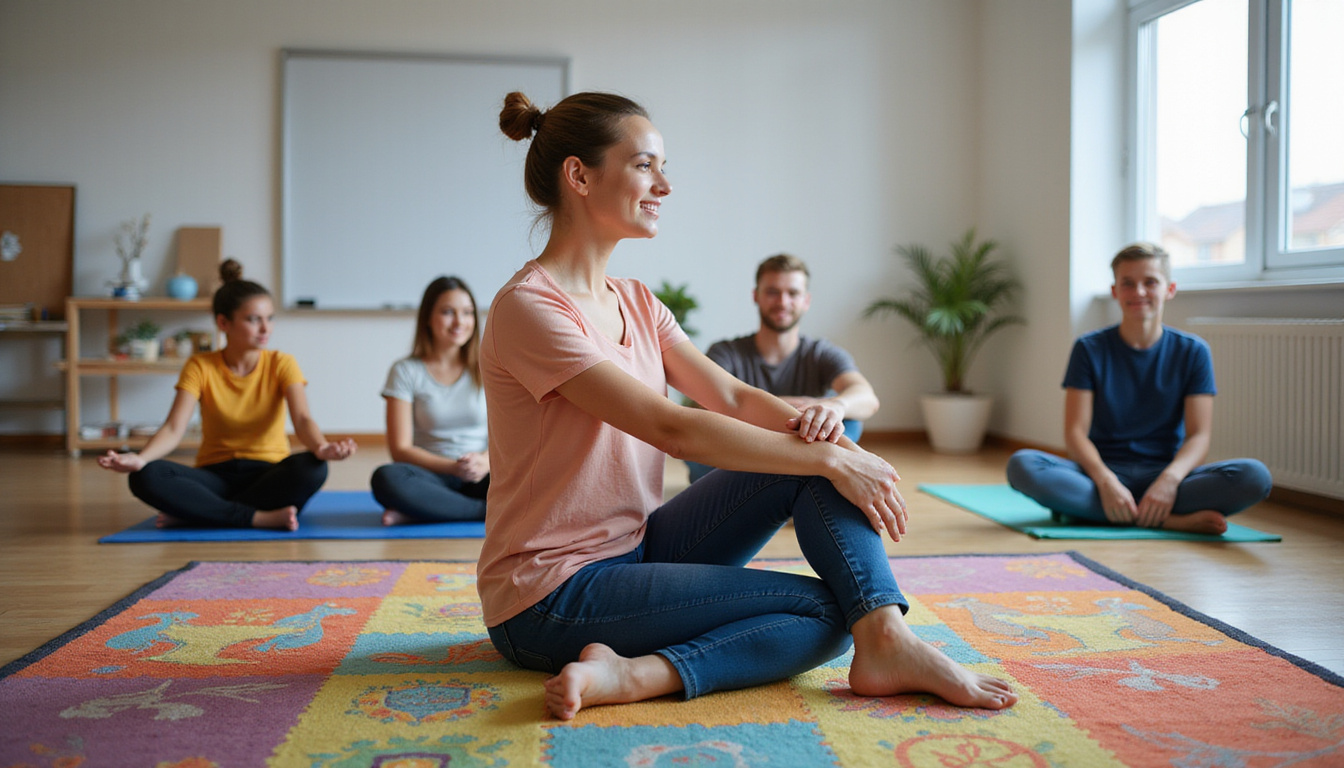
If five minutes seems long, spread these stretches across your day. Try two before homeroom, two at lunch, and two after the last bell.
Beyond stretching: Everyday choices that support teacher joint health
Stretching is only part of the solution. Other daily choices also matter:
- Footwear matters. Wear shoes that support your feet. Keep a spare pair at school if needed.
- Vary your positions. Alternate between standing, sitting, and walking.
- Adjust your workspace. Raise your chair and monitor so you do not hunch. Use a document camera to avoid awkward leaning.
- Hydrate. Add more water during the day to balance your coffee.
- Protect your prep. Use part of your prep time for movement. Take a short walk or do a few stretches.
Good movement, sound ergonomics, and proper nutrition help your joints and muscles feel better over time (source: NIH Office of Dietary Supplements).
How targeted nutritional support can help
Some teachers choose nutritional supplements to support joint and muscle comfort. These supplements are not for diagnosing or curing diseases. They can:
- Support the body’s natural joint and muscle functions.
- Complement a balanced diet, movement, and good sleep.
- Fit easily into your busy teaching schedule.
Always talk with your healthcare provider before starting a new supplement, especially if you are pregnant, nursing, or have a medical condition.
Regenerix Gold: formulated with teachers’ busy lives in mind
For educators who need extra joint and muscle support while juggling lesson plans and parent meetings, Regenerix Gold is an option. It appeals to those who value science-based formulas and maintaining an active lifestyle in and out of the classroom.
<iframe width="560" height="315" src="https://www.youtube.com/embed/mGrH5UWFxUs?si=enLOx67aeklAOHfA" title="YouTube video player" frameborder="0" allow="accelerometer; autoplay; clipboard-write; encrypted-media; gyroscope; picture-in-picture; web-share" referrerpolicy="strict-origin-when-cross-origin" allowfullscreen></iframe>
When taken as directed and paired with your new stretch routine, Regenerix Gold can help you:
- Stay comfortable on your feet all day.
- Maintain flexibility and ease of movement.
- Be ready for class and life after school.
Remember, supplements are not a substitute for sound nutrition, regular exercise, or professional care. Always use them with a healthcare professional’s advice.
FAQ: teacher joint health and classroom-friendly wellness
Q1: What are some teacher joint health tips I can use without disrupting class?
Try "stealth" stretches such as gentle neck tilts while students work, seated hip stretches during group tasks, and calf stretches against the wall during line-up. Change your standing position, alternate the hand you hold the marker with, and use a cart to avoid carrying heavy folders.
Q2: How can I support my joints as a teacher without going to the gym?
You do not need a gym membership. Short walks during prep, easy stair-climbing, desk stretches, and paying attention to posture and shoes all help. Add nutritional support when appropriate and consult your healthcare provider.
Q3: Are joint supplements like those for teacher knee health safe to take daily?
Many joint-support supplements are made for daily use by healthy adults. Safety depends on your health needs and any other products you take. Read labels carefully and talk with a healthcare professional before beginning a new supplement.
Teach longer, live better: Your next steps
Your students do best when you are full of energy and patient. Your body matters. By doing short, classroom-friendly stretches, improving your posture and footwear, and considering nutritional support, you do more than manage discomfort. You invest in your long-term ability to teach and live life to the fullest.
If you are a forward-thinking educator who plans for lessons and your own wellbeing, add Regenerix Gold to your routine alongside these stretches. It is a premium choice for teachers who value healthy joints and muscles. It helps you stay active in the classroom and beyond.
You spend your days guiding students to succeed. Now care for your body. Protect your joints, move confidently, and begin each day as the professional and person you are meant to be.
Health Note
Always consult a licensed medical doctor for your health issues.
Special Discount
If you prefer preventive nutrition to minimize expensive knee surgery and potentially addictive pharmaceuticals, Regenerix Gold is your savvy solution.
You qualify for a special discount.
Simply use the link below and a discount will automatically be applied during checkout.
Get Regenerix Gold => HERE


